
Positive And Negative Effects Of Social Media On Childrens’ Mental Health, Learning, And Growth
Sarika Chuni
From boosting learning and friendships to causing stress and distractions, social media impacts students in many ways. Understand the pros, cons, and how parents can support safe usage
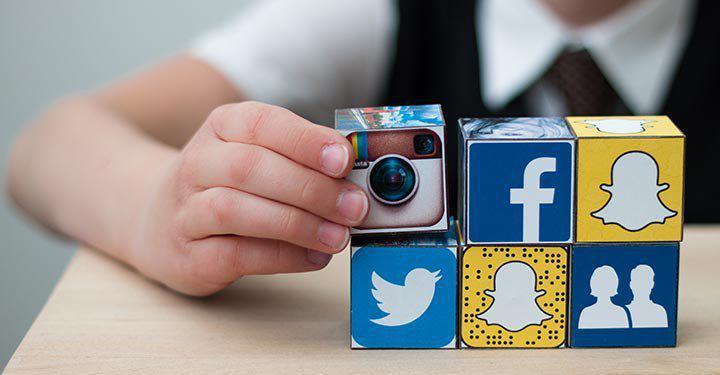
With the relatively benign purpose of helping us keep in touch with old friends, over the past few years, social media has taken over most of our lives. With our busy lifestyles, parenting has also evolved. Where spending time with our parents was an organic activity in the past, parents often schedule quality time with their children.
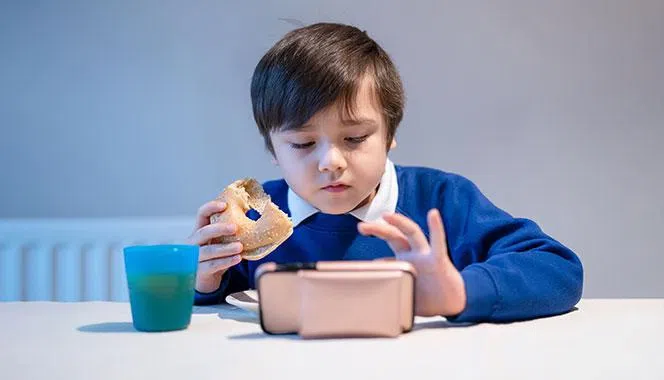
And the time that remains free for children is often spent glued to the screen of a smartphone or tablet! In such a scenario, have we ever analyzed the positive and negative effects of social media on children? It's time to do it.
"Half a decade ago,12 to 13-year-old children were talking about cartoons on television. Whereas children of the same age, these days, prefer talking about their Instagram stories and multiplayer games such as PUBG, or are busy posting their daily lives on social media platforms," says Aditi Sharma, Counselling Psychologist with a decade of experience in counseling school children.
With the growing popularity of social media among Indian youth and the proliferation of such sites online, it has become increasingly difficult for time-constrained parents to keep tabs on their children's online presence.
Parents are caught in this tug-of-war between leaving their children to roam free in the relatively unsafe cyber world or removing access to social media completely. Aditi warns against it, saying, "Children 12 years and above are at the kind of age where they need to develop a sense of identity for themselves, and socialization among their peer group is a large part of that process. Not only that, but they are also prone to rebellion against any kind of authority they might deem interfering with their socialization. So, removing all access to social media is not a solution at all. Instead, it helps to look at the situation from a different perspective and see both the positives and the negatives that social media brings into our children's lives."
So, let us first look at the positive impact of social media on children. When used with caution and in a healthy and communicative family environment, social media has a number of advantages.
The positive effects of social media on children
Helps build connections
Social media has become an essential tool to connect with the world in today's age of technology and a knowledge-based society.
Adds value to relationships
Children share their interests and maintain friendships with their friends online.
Develops digital media literacy
Exploring and using social media under parental guidance is the only way for the child to navigate this technology-driven world, where digital literacy is the best way to stay updated.
Aids collaborative learning
Several schools have taken approaches such as flipped classrooms or online group quizzes and chatrooms for students to collaborate on educational projects and related academic tasks. Children can also access a lot of learning forums where they can discuss their queries in a social group with similar ideas.
Gives the child a sense of belonging
Children feel a sense of belonging in local and global online communities.
It is not all peaches and cream, however. Aditi feels that many children are turning towards the wrong path at a tender adolescent age. "Social media has turned the child's locus of control to mostly external events and people. It leads to a stunted self-image and desire for external approval, as opposed to self-confidence and high self-esteem," she adds.
The disadvantages of social media among children who are allowed a free hand in their social media usage are insidious and need to be paid attention to.
The negative effects of social media on children
Exposure to inappropriate content
We are all aware of the dangerous social media challenge games, such as Blue Whale, that claimed many innocent lives merely through a chat window. If parents are not tech-savvy or do not monitor online usage, children might get exposed to extremely inappropriate content online.
Cyber predators
Regardless of what we might want to believe, the screen of anonymity that social media gives its users offers a haven to child predators. It is extremely important, then, for the child to be aware of what kind of information they can give to a stranger or someone their family doesn't know in person.
Cyberbullying
A study published on 27 June 2018 by Ipsos, a market research firm, revealed that one in three parents worldwide (33%) report knowing a child in their community who had been cyberbullied, up from 26% in 2011. It is important that parents create an open communication environment that encourages children to talk to them about any kind of bullying they might be facing on social media. It is also imperative that we equip children with the emotional tools to resiliently face and stand up to their bullies, or walk away, whichever might be more appropriate.
Exposure to targeted advertising and marketing
A close friend of mine recently got a shock when his credit card drew a massive bill. It turns out his daughter had been purchasing tokens to beat a friend who was doing better in an online fashion simulation game. It is important for us to realize that children are the most easily swayed, which is why most marketing strategies target them. It is up to the parents to keep such easy temptations, especially with open, free access to their credit card info, away from them.
Data and privacy issues
Children who are not aware of the kind of information they can share on social media can often end up sharing more than they should, without the right privacy settings. This might make them prone to serious security issues, such as data breaches (your credit card numbers being stolen from your computer), hacking, and even identity theft.
What, then, is the solution to the negative impact of social media? Aditi has two suggestions: "Keep yourself up to date with all kinds of social media sites and games that your child might be using, and be a good role model by using social media responsibly yourself."
Practical tips for parents to guide safe social media use
Educate yourself about social media
If you don't have an account on the social media site that your child uses or wants to use, get one. Try to learn everything about that site. Make sure you know exactly what they can and cannot do on the site, and decide and make the rules explicitly clear to your kid.
Build your child's digital intelligence
Guide your child about posting any kind of information on sites, and explain the concept of the digital footprint. Give them this mantra: 'Don't post anything online that you might be ashamed to show in your offline world at any time in the future.'
Show your child the importance of privacy
Tell them how much personal information is too much and what they can share. Also, let them know of the consequences that your family will have to face in case of a data breach.
Social media can never replace the importance of real-life relationship-building and quality time with family and friends. However, regardless of how much you want to shield your children from social media, most of them will use it eventually. It is, therefore, the smart thing to stay aware of the positives and negatives of social media. You can use this knowledge to guide and supervise your children so that they may grow up into responsible and healthy cyber citizens.
Last updated on: September 4, 2025



























Comments
Edit
Comment Flag
Cancel Update