
How Smartphones Impact Your Childs Emotional Well-Being. Read on to know more
Varsha Venkatesh
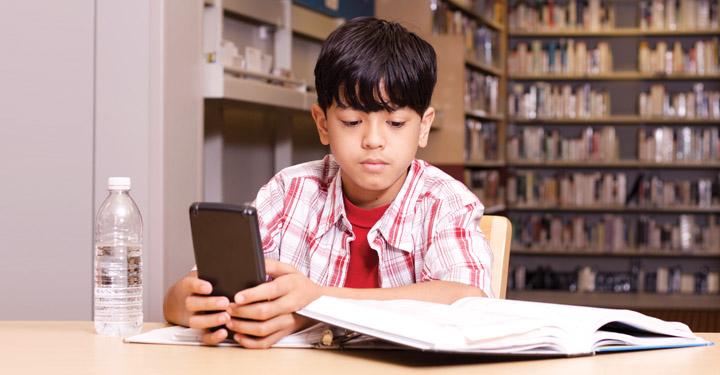
Children nowadays use smartphones from an early age as parents feel these devices have many benefits. But can gadgets affect a childs emotional development and growth?
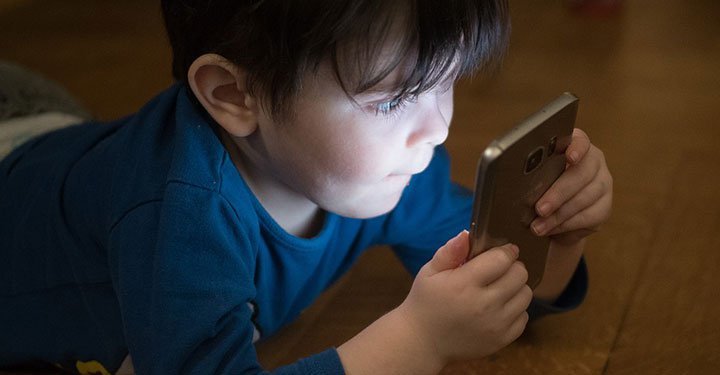
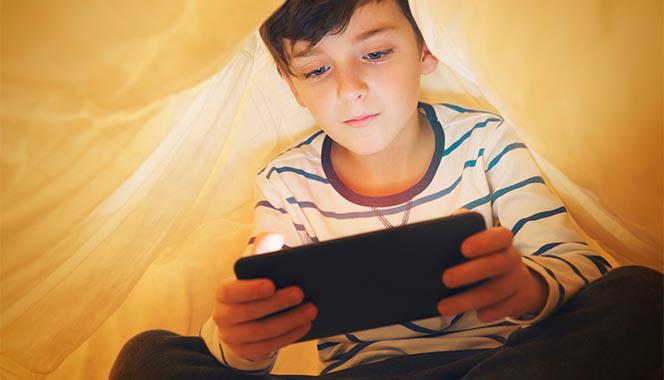
Today parents are quite often willing to incorporate screen-based technology into day-to-day parenting. So, smartphones are used to occupy young children as part of the daily routine while running errands, during car rides, while feeding, and also, at bedtime. It even has its own term among parents and is known as the shut-up toy.
However, indulging a child with a smartphone could lead to bad social skills later on in life. Using a smart device to divert a child's attention or pacify her, could impede her ability to learn self-regulation. It may also hamper the development of emotional intelligence.
If parents constantly rely on smartphones to distract their children, it might affect their children's ability to be resilient. They may also not develop the capacity to do things on their own.
The threat of technology
Major concerns have been expressed over how preschool children use devices and gadgets for long periods of time, every day. And that this, in turn, has led to a drastic decrease in direct human-to-human interaction.
Using smartphones at home deeply impacts your child's emotional well-being. Thus, she may want to be left alone, avoids direct eye contact while communicating, and, gets cranky or throws tantrums when you try to interact without the use of technology. This could be a serious red flag to watch out for.
Arundhati Swamy, counselor and the Head of Parent Engagement Programmes at ParentCircle says A child's emotional development occurs best through interactions with people. We receive signals by observing a person's eyes, facial expression, tone of voice, gestures, posture, and the intensity of their response. The flat screen of a smartphone lacks the rich inputs critical for emotional awareness. Relationships are built on emotional connections. When a child uses a smartphone, especially to calm or distract himself, he becomes less aware of his own emotions, has inadequate skills to regulate them, and fails to connect meaningfully with other people.
Ways using smartphones at home impacts your child's emotional well-being:
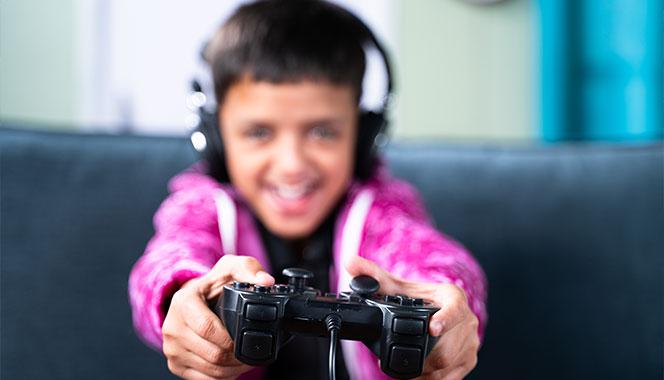
- These days, many children are prescribed drugs for attention deficit disorders and hyperactivity. This is a direct result of children spending an average of five to six hours a day staring at screens. And they're often on two or more screens at a time. For example, a child may watch television while playing on a tablet or phone. Babies are born with the curiosity to learn about their world, so they're highly motivated to interact with people and objects around them. That's why they love it when we play silly games with them, such as peekaboo. But when little ones are gratified and get instant rewards from using mobile phones, they may lose interest in the real world.
- The use of interactive screens impacts brain chemistry, messing with how your child experiences joy and pleasure. Excessive screen time desensitizes the brain's reward system and it may kill your child's ability to enjoy the simple pleasures of life. Your little one may lose interest in observing her immediate surroundings and instead, want to stay in a constant state of stimulation.
- Researchers from the University of Toronto and The Hospital For Sick Children in Toronto found that 30 minutes of screen time increased the risk of delayed speech by 49 percent. Even a few minutes of screen time before bed can reduce the release of the hormone melatonin, which helps us sleep. That, of course, is going to affect your child's mood.
Alternatives to smartphones and tablets
Every parent wants their children to develop into socially well-rounded, physically fit adults, who are successful and lead fulfilling lives. But, where do we begin? The simple answer may lie in getting out and simply indulging in physical activities like running, climbing or even, playing hide and seek. When children play, they get the opportunity to form friendships too. This allows little children to gain physical and social skills.
Once children learn to experience boredom, allow them to spend time figuring out what they can do when they feel restless. In the real world, children constantly use their senses of sight, smell, hearing, touch, and taste. However, being on devices means that children are deprived of the hands-on activities important for the development of sensory-motor and visual-motor skills. Here is how you can keep your child engaged in healthy ways:
- Engaging in creative storytelling helps your little one develop his vocabulary and communication skills.
- Playing games improves physical strength and helps release excess energy in a constructive manner.
- Engaging in sensory activities helps develop the brain-hand coordination required for fine motor skills.
- Pretend play enables the development of creative thinking and imagination in children.
- Competing and collaborating as a team while performing group activities or games, helps build healthy self-esteem, establish self-expression and individualism
So, how can you get your children to read or get into physical play?
Show them. Remember that children don't hear and learn. They are very visual and more important, they imitate their parents. So, if on a daily basis, they observe their parents living in a world dictated by gadgets and technology, that is what they learn too. This means parents need to take more responsibility for what they do or do not do, in the presence of their children. Parents need to lead by example.
Explore The Dot SEL program for kindergarten at The Dot Learning Circle where social-emotional learning for kindergarteners is a priority. LKG and UKG students are guided towards practising pro-social behaviours in their daily interactions.
























Comments
Edit
Comment Flag
Cancel Update