
The wonders of a nutrient-rich Indian curry: How to cook it the right way
Luke Coutinho
What's not to like about an Indian curry? Tasty but rich in calories and oil, one might say! But, if prepared with the right ingredients, the humble curry can be a mighty source of nutrition.
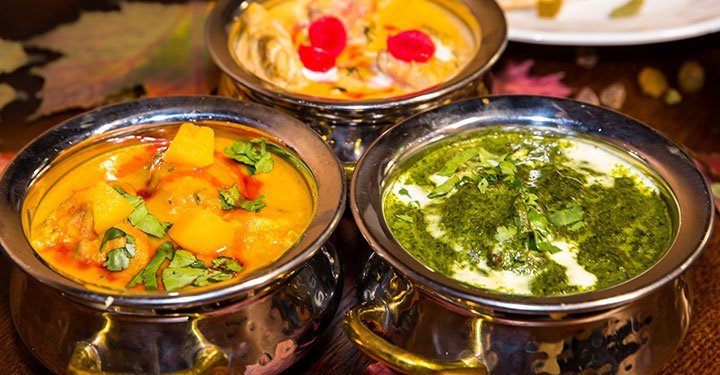
If ever there was an excuse to dish out a curry, it's got to be that it's good for your health.
The heart of India lies in its flavorful curries. And as Indians, we should be proud of our curries and their numerous health benefits. In fact, any kind of Indian food, cooked in the right manner with the right ingredients and served the right way, comes with healing powers.
Yes, the humble curry not only satisfies your taste buds but provides essential nutrients to your body. Thanks to the medicinal effects of healthy ingredients like turmeric, pepper, cumin, garlic and ginger, curry can be really good for you and your children.
Nutrition quotient of the Indian curry
The chief strength and beauty of an Indian curry lie in the synergy between two or more of the ingredients that go into it. There is a lot of wisdom in combining these ingredients. Most of these ingredients are nutrient-dense, immunity boosting, anti-inflammatory, digestion boosters and by themselves, natural medicine for many ailments.
It is only when we replace traditional wisdom with junk and processed foods for the sake of convenience that we begin to suffer from nutritional deficiencies. This in turn leads to all kinds of ailments.
What ingredients go into the typical Indian curry?
The base of every Indian curry is nutrient-dense. Most curries contain onions, tomatoes, ginger, garlic, a source of good fat (mostly ghee, coconut oil or mustard oil), turmeric, black pepper and salt. These are the basic ingredients that go into most curries. Over and above these, are added spices like cumin, cardamom, cinnamon, fennel, star anise, bay leaf and asafoetida - the combination depending on one's own preferences.
Some people use water to make the curry; others make it with coconut milk, it depends on which part of the country the curry is being made. However, the base ingredients more or less remain the same across different Indian regions.
Let's talk about the speciality of each ingredient:
- Tomatoes: Cooking tomatoes release an active ingredient called lycopene - a powerful antioxidant and anti-cancer agent. It plays a huge role in preventing breast cancer and in boosting prostate health in men.
- Garlic and onions: Both garlic and onions are highly anti-inflammatory and boost immunity. They are rich in sulphur and serve as a natural antibiotic. They are powerful liver detoxifiers as well.
- Turmeric, black pepper and some form of fat: This is a combination everyone should use as several scientific studies and research are proving its benefits. The synergy of fat, turmeric and black pepper goes a long way in boosting the bio availability of curcumin - an active ingredient in turmeric which people spend lots of money to buy in supplemental form. It is highly anti-inflammatory, anticarcinogenic, antibacterial, antiviral and antifungal. There is a reason why turmeric and ghee are referred to as gold. The combination of black pepper, turmeric and ghee is literally a brain tonic. The curcumin in turmeric helps reduce inflammation and thus benefits those suffering from among other things, Alzheimer's, dementia, and loss of memory and other cognitive skills.
To this powerful combination, we can add food items such as vegetables, cottage cheese, chicken, fish, shrimp, beans, lentils and tofu to make a wholesome dish!
Benefits of curry
Certain veggies have anti-inflammatory properties
Vegetables like cauliflower, cabbage and broccoli are cruciferous and have highly anti-inflammatory properties. They help detoxify our liver and lymphatic system (a network of tissues and organs that help rid the body of toxins, waste and other unwanted materials.). Any disease that is inflammatory can benefit from the turmeric, black pepper and fat combination. Most dals and dishes like rajma also have this gravy as the base.
Spices help to ease cramps and acidity
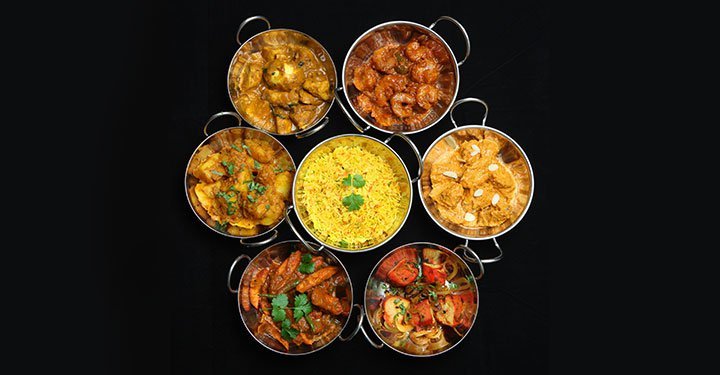
When the spices are cooked, simmered and boiled on a low flame, they give out extracts that help in digestion as they have carminative (relieving flatulence) properties. This means these spices help in relieving cramps and in expelling gas. They are antispasmodic in nature and also aid in the release of digestive enzymes.
Since the Indian curry is full of flavors, it helps us to slow down and enjoy the food. This in turn reduces the chances of overeating.
Wrong method of cooking can hamper nutrients
The nutrient-dense curry can lose all its benefits if we use the wrong ingredients or cook it the wrong way. Here are some things to avoid:
- Cooking with wrong substandard oils
- Adding dollops of butter/cream
- Adding adulterated spices
So, it really matters how we make the curry, cook it and eat it. The problem is never with the food itself, but with the method of preparing it.
Today we live in a world where ready-made curry powders are easily available in the market. There is nothing wrong with that. In fact, it makes it easier for people who travel often to stick to their traditional food. However, ensure to use only good quality brands with zero chemicals and preservatives. Also, these powders should have a short shelf life.
Add this powder to a base of water or coconut milk, vegetables, beans or any meat and cook up a beautiful curry as an accompaniment to rice or any whole grain preparation.
How to make curry powder at home
Ingredients:
- cup coriander seeds
- 1-2 bay leaves
- 2 Ceylon cinnamon sticks
- 10 green cardamom pods
- 1 tsp black peppercorns
- 1 tbsp turmeric powder
- 3 tbsp cumin seeds
- 1 tbsp fennel seeds
- tsp yellow mustard seeds
- 1 tbsp chana dal or bengal gram dal
- 1 tsp fenugreek seeds
- 1 tsp cloves
- 1 tsp asafoetida (hing)
- 1 tsp white poppy seeds
- 2-4 dried red chillies (optional)
- A pinch of pink salt
Method:
Pan roast:
- Heat a frying pan over a medium flame and roast all the ingredients one after the other, except for the red chillies and turmeric powder.
- Do not over roast the ingredients as the whole spices will burn, imparting a bitter taste to the dish.
Grind:
- Allow the ingredients to cool down a bit.
- Add all the spices and ingredients to a spice blender/grinder/food processor.
- Process, blend or grind for a few minutes to make a powder.
- Use a medium sieve to sift the powder.
- This is to ensure that there are no chunks left of the whole spices. Cinnamon and black cardamoms often tend to leave behind big unprocessed chunks.
- Add a pinch of Himalayan pink salt and mix well.
- Store the powder in an air-tight container.
Note:
- This powder can be used for both vegetarian and non-vegetarian dishes.
- If Bengal gram is unavailable, you can use sattu powder too. Sattu powder will also help in thickening the gravy.
- Make this powder with whatever is handy and available in the kitchen
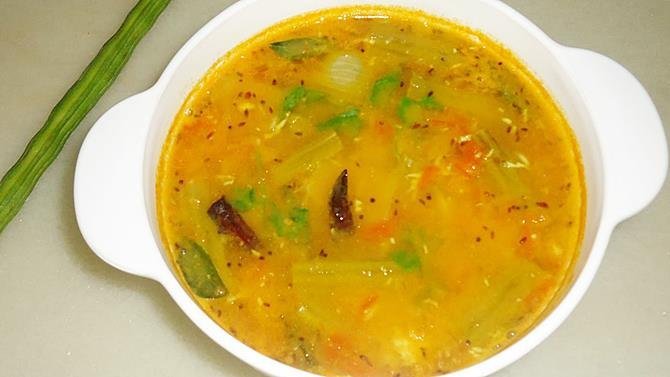
Just like curry, there are khichdi, sambar and rasam. These are nutrient-dense and medicinal too.
Everyone should learn how to make basic Indian curries. It's not difficult at all. Learning how to cook it, will make us self-sufficient and no longer dependent on outside food.
Watch the video below to know more about the power of the Indian curry!
Also read: Why An Alkaline Diet May Be Good For Health
(The author, Luke Coutinho is a Holistic Lifestyle Coach - Integrative Medicine.)
The Dot health and safety program for pre-primary children places strong emphasis on good nutrition and making wise food choices. We educate children on the importance of a balanced diet and provide guidance on selecting healthy foods, thus laying the groundwork for lifelong nutritious eating habits.
























Comments
Edit
Comment Flag
Cancel Update