
Excessive Yawning In Babies: Understanding Causes, Sleep Signals, And Warning Signs
Monali Bordoloi
Wondering why newborns yawn a lot, even right after waking up? You’re not alone. From sleep cues to overstimulation, this expert guide helps you understand baby yawning, what’s normal, and when excessive yawning in babies may need a doctor’s attention
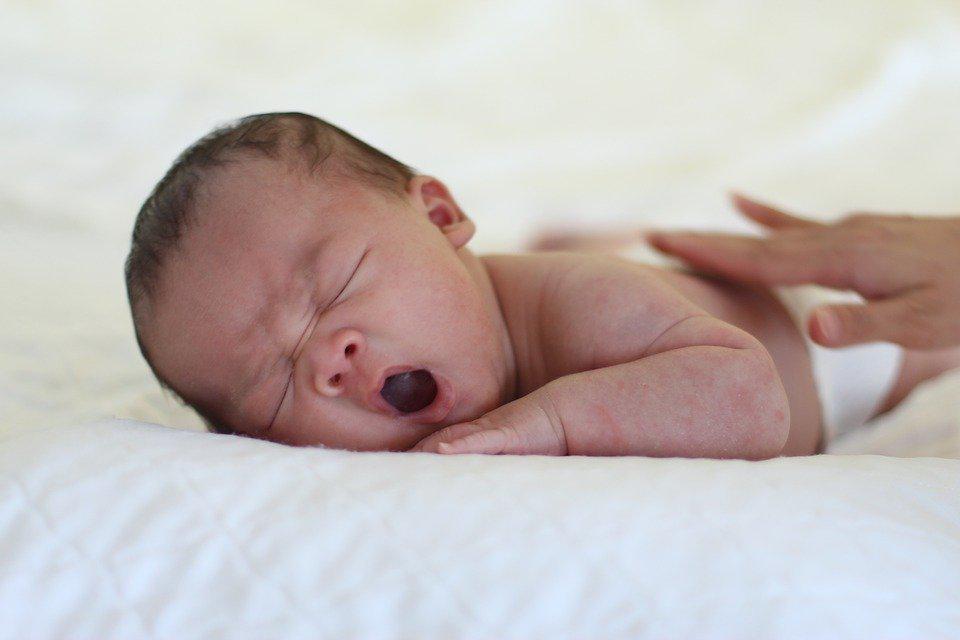
Mother to nine-month-old Vivaan, Usha Ramanathan often wonders why her son yawns so much. Generally considered a cue for sleep, her son sometimes yawns just after waking up, as well. She plans to discuss his excessive yawning at her next doctor visit.
Like Usha, most mothers are clueless about baby yawning. A seemingly innocent reflex-like yawn could concern a new mom. People generally yawn when they are tired and sleepy, but is it different with babies? Can they yawn even if they are not tired? And, what does excessive yawning in newborns mean?
Why do babies yawn?
Yawning in babies can feel confusing, especially when it doesn’t always match sleep time. Let’s understand what’s really happening.
Dr. S P Senthil Kumar, pediatrician, Columbia Asia Hospitals, Whitefield, Bengaluru, says, "Yawning is a natural response to tiredness or sleeplessness. When your baby yawns, she breathes in deeply with her open mouth. By doing that, she fills her lungs with air. Babies start yawning inside the womb, too. As early as 11 weeks, babies are seen yawning in sonography scans of the womb. Just like adults, babies also yawn when they are tired or sleepy. Sometimes, we yawn when we are bored. Babies are no different; they yawn out of boredom, too."
Do babies yawn even when they are not sleepy?
This can surprise many parents, because yawning isn’t always a reliable sleep signal.
"Don't take yawning in babies too seriously. Keep in mind that babies can yawn without being sleepy and be sleepy without yawning", adds Dr. S P Senthil Kumar
It is also said that by yawning, we take in more oxygen when the body needs it. However, the real reasons for yawning are still not known.
Have you noticed that yawning is contagious? It is said that you can even start yawning if you see or even hear someone else yawning. But it may not be true for babies. Children under four years do not yawn when they see or hear others yawning. Also, children with autism symptoms are not affected by contagious yawning.
You may also notice that most of your baby's yawns are accompanied by watery eyes and sighs.
Is yawning contagious in babies?
Yawning is fascinating not just in adults but also in how it shows differently in children.
Have you noticed that yawning is contagious? It is said that you can even start yawning if you see or even hear someone else yawning. But it may not be true in babies. Children under four years do not yawn when they see or hear others yawning. Also, children with autism symptoms are not affected by contagious yawning.
You may also notice that most of your baby's yawns are accompanied by watery eyes and sighs.
Infant yawning: What is normal and what is not?
In the early months, your baby’s body is still adjusting to the world. So, yawning patterns may vary.
Your few-week-old baby doesn't need to yawn. If your baby is sleeping almost 12-14 hours a day, they will most likely not yawn.
Can overstimulation cause yawning in babies?
But if your baby is yawning a lot in the first few months, check whether they are overstimulated by noise, touch, experiences, and activities all at once. Check whether your infant is using yawning to calm themself after getting overstimulated. If your child is yawning too much just a few weeks after birth, they may still be adjusting to the world outside the mother's womb.
"Don't take yawning in babies too seriously. Keep in mind that babies can yawn without being sleepy and be sleepy without yawning," says Dr. S P Senthil Kumar. Excessive yawning in babies: When should you be concerned?
While occasional yawning is harmless, frequent yawning may sometimes need closer attention.
If your baby is yawning more than once in one minute, it is termed excessive yawning. Your baby may yawn excessively if extremely tired and sleepless. That's normal.
Possible medical reasons behind excessive yawning
However, there can be some underlying medical problems behind the excessive yawning of your baby. Check with your doctor to rule out medical problems like sleep disorders, epilepsy, heart conditions, or behavioral issues like ADHD/ADD.
"Just like adults, babies also yawn when they are tired or sleepy. Sometimes, we yawn when we are bored. Babies are no different; they yawn out of boredom too," says Dr. S P Senthil Kumar.
What parents can do when babies yawn frequently
Simple changes in routine can help. Here are the ideal sleep timings:
Ideal sleep duration for babies and children
|
Simple ways to respond to your baby’s yawning
If you notice your child yawning during an activity, try a different one. Do not worry if your baby yawns just after waking up from a deep sleep. Most probably, it's just the body's reaction after waking up.
However, take note if your baby is yawning excessively. It is advisable to consult your pediatrician to rule out any underlying medical conditions.
Parent checklist
- Observe your baby’s yawning patterns across the day.
- Check if yawning is linked to sleep, boredom, or overstimulation.
- Ensure your baby gets age-appropriate sleep daily.
- Reduce noise, activity, or stimulation if your baby seems overwhelmed.
- Engage your baby in calm, familiar activities if they yawn during play
- Don’t worry about occasional yawning after waking up
- Watch for excessive yawning (more than once per minute)
- Track any other symptoms like poor sleep, unusual behavior, or discomfort.
- Consult a pediatrician if yawning seems excessive or unusual.
Discover how soothing melodies can calm your baby. Read more about why lullabies and baby sleep songs really work.
Last updated on: March 24, 2026




















Comments
Edit
Comment Flag
Cancel Update