
Why Do Lullabies Help Babies Sleep? Gentle Benefits Every Parent Should Know
Monali Bordoloi
Lullabies are the simplest, yet one of the most powerful baby parenting tools. Discover how lullabies help babies sleep peacefully. Learn the gentle benefits of lullabies for your child’s health, comfort, and emotional well‑being
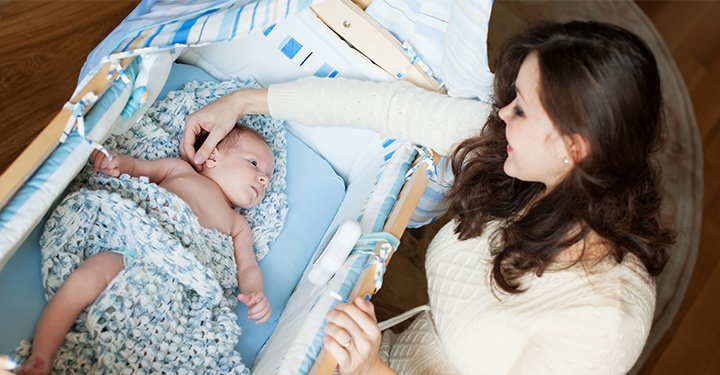
New mom Sangeetha dreads bedtime these days. Her six-month-old son gets cranky and cries a lot when he is sleepy, and struggles to sleep. Sangeetha tried everything, from giving him a warm bath before bedtime to dressing him in light, comfortable sleepwear. But nothing seemed to work. Then her mother suggested she sing lullabies, a sure way to make her baby nod off! So, every night she started singing lullabies to her baby, and surprisingly, her son calms down and sleeps more peacefully now.
Three-year-old Abhishek almost always got up in the middle of the night screaming as he experienced frequent nightmares. His mother, Radha, began singing lullabies regularly to him just before bedtime. Eventually, his nightmares reduced, and he now sleeps longer and better.
As in the two examples above, around the world, parents, grandparents, and caregivers sing lullabies to soothe and calm children. Since time immemorial, lullabies have been there in every culture and every language. Some prefer to sing a lullaby before putting the child to bed, while others sing at any time of the day to calm a child.
Ipsita Sarma, mother of two, says, "I still vividly remember the way my mother used to sing us a soothing Bengali lullaby about children roaming around in the fields, collecting fallen fruits, and looking at colorful birds. Now, I am raising two kids of my own, but in a city with no fruit orchards for children to roam. Still, I make it a point to sing to them the same lullabies my mother used to sing, and they simply love it."
Benefits of lullabies for babies
There is scientific research to back the idea that lullabies help a child emotionally. According to a research paper submitted by Zentner and Eerola (2010), "Parental songs arguably provide the most salient musical experiences in early life. By five months of age, infants produce rhythmic movements in response to auditory rhythms. These perceptual and production skills set the stage for socially rich musical experiences, which have implications for social bonding and emotional regulation in infancy."
Research conducted in 2007 by Laszlo Harmat, Johanna Takacs, and Robert Bodizs confirmed that listening to music can significantly improve students’ sleep quality.
Why good sleep is essential for your baby’s health
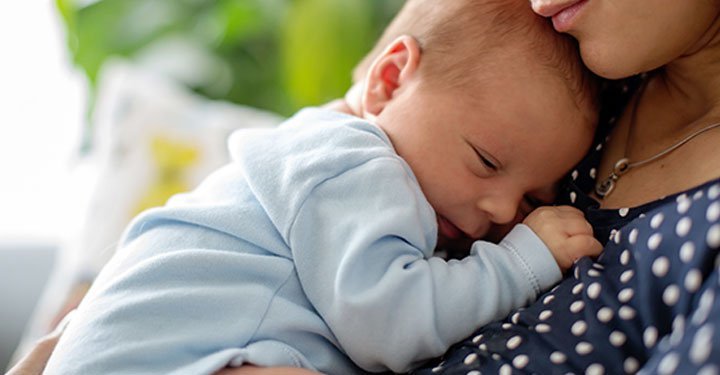
Good sleep is a must for a baby to grow healthy. So, anything that helps a baby sleep through the night is a boon for parents. Lack of sleep in children is linked to many health complications at a later stage. It could lead to potentially dangerous conditions like obesity, depression, diabetes, and ADHD. Inadequate sleep lowers a child's immunity.
To further understand the positive impact of lullabies on a child, ParentCircle spoke to Dr. Atish Laddad, Founder and Director at Docterz. Here are excerpts from the conversation:
Q. Do lullabies really help babies fall asleep? How do they work?
A. Lullabies have a deep, comforting impact on babies and help them sleep comfortably. Their soothing and calm nature helps the baby relax and enjoy uninterrupted sleep. How it has worked effectively from time immemorial is very interesting. Reports suggest that lullabies have a six to eight tempo or a triple metre in the language of music, which is similar to the motion experienced by the foetus in the womb. As this womb experience is familiar to the baby, it adjusts quite well to the rhythm of a lullaby.
Lullabies are a good tool for calming on-edge parents, as they reduce the stress in new parents and lull them, too.
Q. Are there different benefits of lullabies for different age groups?
A. Music has a positive impact on everyone, whether the child is a baby, toddler, preschooler, or, for that matter, even an adult. The soothing nature of lullabies first de-stresses the child and then calms them into a comforting environment. It has been proven that music makes children happier and helps them come out of their shells and communicate well with others. It also helps kids learn and understand languages, improves their attention span, and sharpens their memory.
Lullabies help balance emotions through specific neural networks in the brain and create a peaceful bedtime environment. Lullabies also strengthen the bond between the child and their parents.
Q. Can you use recorded lullabies or play online lullabies instead of singing yourself? Is it equally effective?
A. While it's a good option to use recorded or online lullabies instead of singing yourself, it is to be used only during times of need. The connection that parents have with their child has to be developed naturally, as this is how the baby explores and knows more about her caregivers. And singing in your own voice is part of that process.
How lullabies comfort and support premature babies
Lullabies have a positive impact on a child's health. It has been proven that lullabies improve oxygen levels in the body and thus help set the breathing patterns. Lullabies also help to reduce the occurrence of nightmares in children.
For premature babies, lullabies have been shown to support better respiratory function, reduce stress, and stabilize heart activity.
Grammy nominee Falguni Shah has shared this melodious Gujarati lullaby exclusively with ParentCircle.
Lullabies, folk culture, and the bond between mother and child
Do bear in mind that lullabies have been handed down orally from generation to generation, especially in India. Most of the lullabies have beautiful lyrics about the moon, the stars, the tender relationship between a mother and newborn, and so forth. Lullabies are part of folk traditions. So you are not just singing and putting your baby to sleep, but also keeping an oral art form alive.
So, practise your vocal cords tonight while helping your child get some sleep! You need not be a great singer to sing a pleasing song to your baby, because your voice is the best voice for your baby, and your baby will love it anyway.
Are your childhood memories entwined with some soothing lullabies sung to you by your mother? Do share those lullabies and memories with us.
Last updated on: March 26, 2026
The Dot phonics program for kindergarten equips your child with the foundational skills needed for reading success. The program enhances phonological awareness skills through captivating letter stories and songs that introduce children to the letter sounds.























Comments
Edit
Comment Flag
Cancel Update