
Love, Attention, and Care: Building Your Baby’s Emotional Health From The Very Beginning
 Arundhati Swamy 9 Mins Read
 Arundhati Swamy
Mother, grandmother, family and school counsellor
Did you know that a baby’s emotional health is as vital as their sleep, food, and growth? From day one, parental love and care lay the foundation for their lifelong well-being
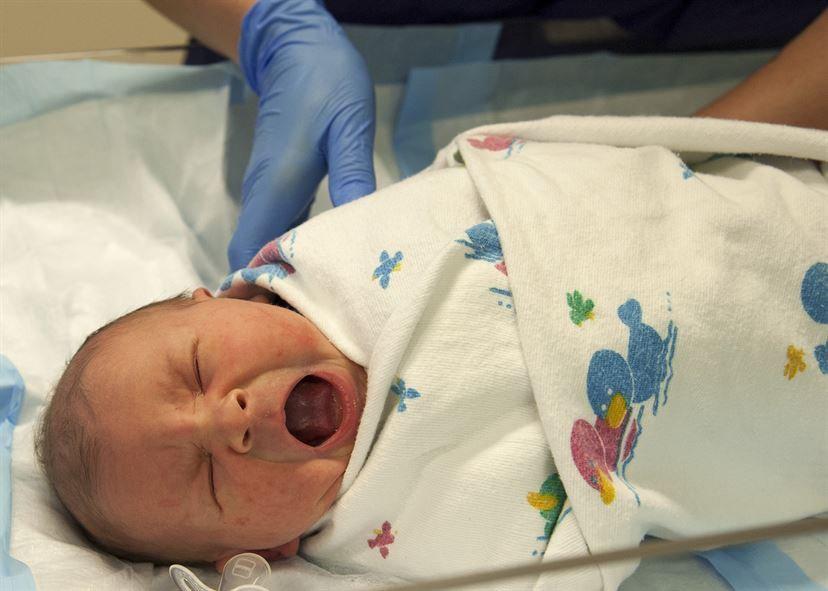
So, what exactly does infant emotional and mental health mean?
Your baby’s emotional health is about them feeling safe, comforted, and loved. It’s how they learn to trust and build healthy bonds.
Your baby’s mental health is the bigger picture, where their feelings, curiosity, and learning develop alongside each other in a safe and loving environment.
Therefore, the way you respond to your baby’s cries, smiles, and needs helps them feel safe, loved, and understood. But you may ask, “Doesn’t all this nurturance come naturally to a mother?” The answer is, “Yes, it comes naturally to most parents!” Nurturance also comes naturally to the baby’s father.
However, every parent’s journey is different. Some feel an instant bond, while for others, the connection grows slowly over time. Both are completely normal. What matters is that you give yourself space and grace, and trust that love and connection will deepen with each shared moment with your baby. And here’s how it all happens.
The Parental Brain: Preparing for Parenthood
Pregnancy has a remarkable way of preparing moms and dads for parenthood. While a mother’s body changes, both parents’ minds and brains also adapt in quiet ways. It helps the new parents connect, respond, and care for their little one. This is the ‘parental brain’ preparing them to understand their baby’s needs, manage their emotions, and build the strong, loving bond that supports their baby’s emotional and mental growth.
These changes make it easier for the parent to notice their baby’s signals, respond with warmth, trust their instincts, and provide the gentle care that helps their baby feel safe and secure. This is the heart of parenting.
The parent begins to trust their instincts and notice small cues. Their innate wisdom and empathy are instinctively unlocked. Most parents will recall these feelings with wonder and awe, how they instinctively created a safe and loving connection with their babies.
Says neuroscientist Dr Roco Zunini, founder of Newborn Parents™, “You don’t just welcome a new baby; you experience a profound transformation yourself. Your brain adapts, grows, and reorganizes to support you in this life-changing role … to support deeper connection, resilience, and confidence in early parenthood.”
A baby’s emotional and mental health begins in the womb
As the mother’s pregnancy advances, she will begin to bond and connect with her baby in the womb when she talks and sings gently, and her baby hears and recognizes her voice. Emotional calm and balance help the mother communicate calmly and lovingly with her baby. Fortunately, our Indian practices, such as prenatal yoga, meditation, lullabies, and above all, family support, help parents-to-be stay relaxed, well-rested, and well-nourished.
The mental health journey continues soon after birth
After birth, a baby’s mental health journey continues as they communicate with their first smiles, cries, and tiny gestures. Every time a parent cuddles their baby, responds to their cry, and talks to them, they are building the foundation for their baby’s emotional health. Every smile, gurgle, and cry strengthens neural connections in the baby’s brain and shapes their mental health — emotional regulation, social skills, and resilience.
It means that the love, attention, and care parents give their baby every day play a powerful role in shaping how they will learn, feel, and connect with the world. Meeting a baby’s needs is the key to a thriving baby. Breastfeeding, carrying the baby, and family involvement provide spontaneous care.
Raising a baby is a shared journey
In many Indian families, raising a baby is a shared journey. Elders and extended family often offer advice and tips based on their own experiences. For instance, grandmothers might share gentle techniques for feeding, soothing, or baby massage, and encourage parents to trust their intuition. Older children and aunts join in playtime, singing, and caring for the baby. These moments create a loving, multi-generational environment where your baby feels safe, secure, and surrounded by warmth. This precious support strengthens the parents’ confidence, making caring for their baby less overwhelming and more joyful.
Busting myths around infant care
However, certain myths around infant care can impede the bonding between parent and child.
Myth 1: If you respond too much, the baby will become demanding.
Reality: Responding to your baby’s needs builds security (emotional safety and trust, and independence as they grow).
Babies communicate through crying, fussiness, or restlessness. Responding promptly doesn’t spoil them; it teaches trust and emotional regulation. In India, the long-standing tradition of frequently carrying babies in slings or on the hip, breastfeeding, and co-sleeping are natural practices that encourage caregivers to respond to babies’ needs.
Practical tips: Observe your baby’s cues. Carry your baby and speak in a soft, comforting manner. This helps your baby feel emotionally safe.
Myth 2: Babies cry to manipulate parents.
Reality: Baby stress is real. Even the tiniest babies feel overwhelmed. They experience discomfort, fear, or frustration when hungry or tired, hear loud noises, experience sudden changes, or are left alone for too long. Signs of baby stress include crying, fussiness, stiffening of the body, trouble sleeping, or turning away from interaction. Crying is a baby’s only way to communicate their needs and emotions.
Signs of Distress:
- Excessive crying or fussiness
- Trouble sleeping or feeding
- Stiff body, clenched fists, or flailing limbs
- Withdrawal or quietness
Recognizing signs of distress and responding promptly with gentle care supports healthy brain development and emotional well-being. Responding with gentle care helps babies feel safe, calm, and supported, and teaches them that the world is a secure place.
Practical tips:
- Respond promptly. Hold or rock your baby to comfort them.
- Talk or sing softly. Lullabies or gentle humming can calm stress.
- Create a routine. Predictable feeding, play, and sleep times reduce anxiety.
Myth 3: Babies don’t remember interactions, so it doesn’t matter.
Reality: Every smile, word, and gentle touch strengthens babies’ brain connections. Every response to their sounds, gestures, and expressions helps them build trust, language, and social skills. Research from the Harvard Center on the Developing Child refers to these back-and-forth interactions as ‘serve and return,’ a conversation that your baby starts and you respond to. (National Scientific Council on the Developing Child. (2008/2012). Establishing a Level Foundation for Life: Mental Health Begins in Early Childhood: Working Paper No. 6. Updated Edition. Retrieved from www.developingchild.harvard.edu.)
Practical tips: Talk to your baby during everyday routines — while changing diapers, feeding, or rocking them. Smile, respond to their coos or gestures, and make eye contact. These small moments build your baby’s brain and teach them trust and connection.
Myth 4: Babies must sleep alone and through the night by three months.
Reality: A baby’s sleep cycle is different from that of an adult. Let your baby guide the sleep rhythm initially, rather than following strict schedules. Your presence and understanding help your baby learn to self-soothe over time.
Sleeping next to a baby is biologically appropriate, particularly when breastfeeding. Bed-sharing makes breastfeeding much easier to manage, practically doubles the number of breastfeeding sessions, and permits mother and baby to spend more time asleep. The mother’s body is still the only environment a baby is truly adapted to. Maternal smells, movements, and touch help reduce a baby’s crying, besides regulating their breathing and body temperature.
Practical tips:
- Many Indian families already practice co-sleeping. The rhythm and tone of the folk lullabies and prayer songs you sing calm your baby and connect them to family culture.
- Rocking your baby for a long time can tire you. Instead, place your hand on the baby’s tummy or chest. Your warmth and heartbeat rhythm help regulate your baby’s breathing and soothe them.
Simple ways to bond with your baby:
|
Remember, comforting a crying baby doesn’t spoil them — it helps them feel safe and learn that the world is a caring place.
Your baby’s mental health does not develop in isolation. As your brain adapts and tunes in to your baby’s needs and you respond with sensitivity, you build a deep connection that scientists call synchrony.
In Part 2, we’ll explore parent-baby synchrony and maternal mental health care.
Explore this topic further through our four-part video series with Dr. Rocío Zunini, neuroscientist and founder of Newborn Parents, where she explores further into the science of infant mental health, bonding, and caregiving across cultures.
The Parent Brain Explained: How Neuroscience Shows Parenting Changes Your Brain And Behavior
Baby Stress Explained: What Infant Stress Looks Like And How Parents Can Help
Infant Mental Health: How Early Bonds Shape Emotional Well-Being
Parenting Across Cultures: Blending Science With Family Traditions For Children’s Growth





























Comments
Aditya Feb 13, 2026
Such a beautifully written reminder that a baby’s emotional health begins from day one. The way you’ve explained bonding, responsiveness, and the “serve and return” concept makes it so practical for parents.
Edit
Comment Flag
Cancel Update