
Caring For Your Baby After Insect Bites And Stings: A Comprehensive Guide For Parents
Ashwin Dewan
Insect bites and stings not only itch but can cause much pain and irritation. Unfortunately, you can't keep your baby always safe from the pesky creatures. Read on for some ways of minimising damage
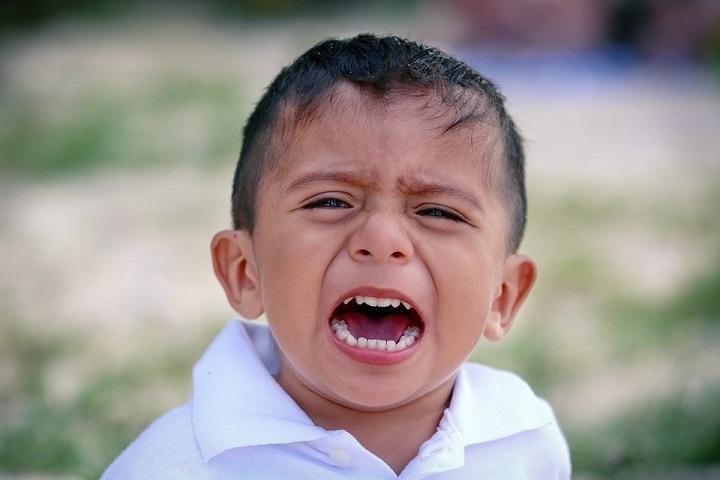
It is quite common for babies to be bitten or stung by some insect or other. In most cases, the culprit will be a mosquito or small fly that bites. Usually, your baby will only have to put up with some itching and at worst, some slight swelling. However, stings from bees, wasps and hornets, and ant bites too can prove quite painful for your little one.
How often do babies fall prey to these more aggressive insects? Well, it depends on the baby's routine and environment. If they spend most of their waking hours outdoors, they will be more prone to insect bites than a baby who mostly plays indoors.
Common insect-related injuries include
1)Bee stings
2)Flea bites
3)Spider bites
4)Ant stings and bites
5)Tick bites
6)Wasp stings
7)Mosquito bites
Symptoms
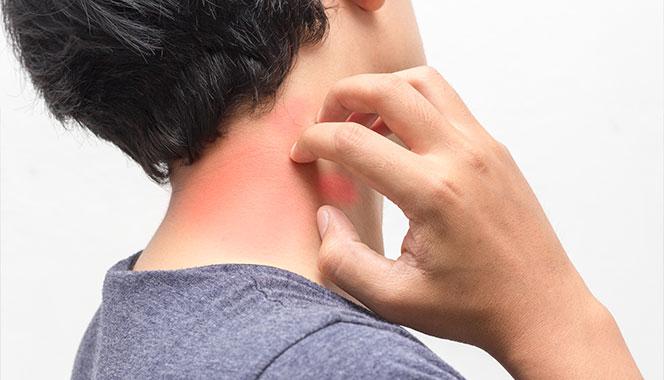
Insect bites and stings could result in pain, swelling, itching, redness of the affected area, weakness, rashes, and blisters. The good news, according to KidsHealth, is that symptoms of most insect bites and stings begin to disappear within a short period of time without medical intervention.
However, children who are allergic to bites and stings may suffer more serious consequences, such as:
Swelling of the face and mouth
Difficulty in swallowing and speaking
Tightness of chest, wheezing or difficulty breathing
Feeling of dizziness
Vomiting or abdominal pain
Treatment
Treatment depends on the type of reaction to the bite or sting. Most insect bites require only simple treatments and a lot of comforting. If there is only slight redness and pain, application of ice to the affected area is adequate treatment. If there is a serious reaction, medical help has to be sought immediately.
First aid for insect bites and stings
Apply a piece of wet cloth to the affected area. It can help ease the itch.
Wash the bite with soap and water and apply disinfectant.
Try to remove the insect's stinger with the help of a tweezer. Care must be taken not to squeeze the area around the sting too much.
Apply a soothing cream on the bite.
eMedicineHealth says you can treat itching due to insect bites and stings with over-the-counter medications such as antihistamines or lotions.
Home remedies for insect bites and stings
- Milk paste: Make a paste of powdered milk and water with a pinch of salt and apply to the affected area. Milk enzymes neutralise the venom from the insect.
- Tea tree oil: Serves as an anaesthetic and can be applied externally.
- Ice/cold compress: Reduces swelling and relieves pain by numbing the area.
- Aloe vera gel: It is a natural antiseptic agent used in treating insect bites.
- Onion: Contains enzymes that break down inflammatory compounds. Rub a slice of onion on the affected spot.
- Honey: It is loaded with powerful anti-microbial properties that help relieve the itching sensation and prevents infection.
It is impossible to keep your toddler completely safe from insects and bugs. However, you can reduce the chances of your child getting bitten.
Parental tips
1)While going outdoors, make sure your baby is wearing light-coloured clothing that covers as much of their body as possible. Avoid bright colours and flowery prints, as they tend to attract insects. In case you are going to a wooded area, dress your baby in a full sleeved-top and long pants.
2)Avoid areas where insects thrive, and thus considerably reduce your baby's chances of being bitten or stung. Check for garbage or trash cans around the area where you are planning to spend time with your baby, as these places attract insects and bugs.
3)Do not let your baby crawl or walk outside or on the grass barefoot as it increases the likelihood of them getting bitten by an insect.
4)Insects, especially mosquitoes, are most active at certain periods of the day such as dusk and early morning. Avoid going outdoors during these periods with your baby.
5)If there are hives or nests of insects in or near your house, seek a professional's help to remove them. Do not try to do this yourself as it could prove dangerous.
Preventive measures
Keep in mind that in most cases, insects do not bite or attack humans unless provoked. Many insect attacks, like bee stings, are defensive. Ensure your baby is not left unsupervised, and investigate bee hives or wasp nests.
6)Check for any torn screens on your windows and doors which provide insects and bugs access to your home. Repair these, and do regular maintenance.
7)Mosquito nets are effective in protecting your little one from insect bites and stings. Use nets or screens over your baby's crib, bed, or stroller when going outdoors and when they are sleeping with the window open.
8)Depending on your child's age, use insect repellents. They help to keep your little one safe from bites and stings, but remember, they aren't safe to use on very young babies.
Word of caution!
You need to consult your doctor before applying repellents. Most repellents contain an active ingredient called DEET, which is not suitable for babies of six months and below.

























Comments
Edit
Comment Flag
Cancel Update