
How To Talk To Children About Consent: Why It Matters And How Parents Can Start
Saakshi Kapoor Kumar
author parentcircle author parentcircle author parentcircle author parentcircle author parentcircle author parentcircle author parentcircle author parentcircle author parentcircle
Consent is one of the most important conversations parents need to have with their children. So knowing how to explain consent to a child in a clear, age-appropriate way becomes essential to their personal safety. Starting consent conversations with children early helps them understand respect, body boundaries, and the power of saying 'yes' or 'no'
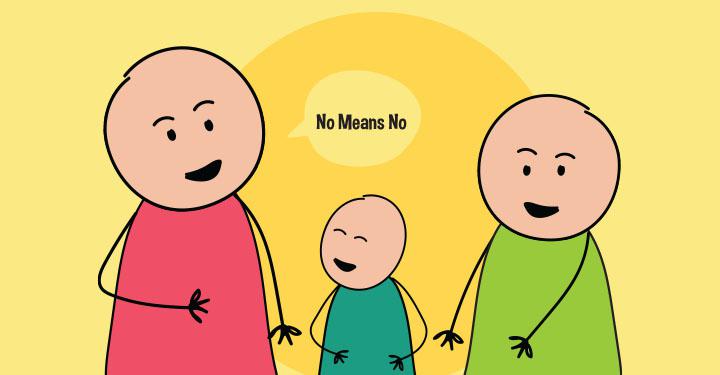
In this 2-part series, explore why consent conversations with children are not just a one-time discussion but a life skill, and how you can gently and confidently introduce and reinforce them in everyday moments
A simple moment that sparked an important parenting conversation
During the last wave of the dreaded pandemic, my husband and I decided to watch a classic children’s movie with our two boys, aged 8 and 6. We both planned a typical cozy matinee evening, complete with popcorn, warm blankets, and hot chocolate. My husband and I patted ourselves on the back for being exceptional parents, and we were looking forward to reminiscing about our childhood days, filled with innocence and wonder.
As we neared the end of the movie, I realized what a horrible mistake we had made. Now, don’t get me wrong. I’m a big fan of the classics, but you know what? I’m a bigger fan of Consent, body boundaries, and respect. The movie violated these matters. I panicked and texted my husband, who was busy searching for the last bits of popcorn in the bowl. “We NEED to talk to the boys right after this movie. I mean, the prince kissed the princess without even asking her. I’m very uncomfortable with the thought of what the boys could learn from this.” My husband looked at me and gave me a thumbs-up. He knew it was important to have this discussion, or maybe he just wanted to get back to his popcorn.
Why consent conversations with children cannot wait in today’s world
Now, many of you may be thinking, “Is it that BIG a deal? I mean, it’s just a movie!” But the thing is, it all adds up. Young children are impressionable and very perceptive. Like a sponge, they absorb messages and internalize them. These messages then become a part of their belief system. In a patriarchal setup, we can unknowingly send messages that will make our children believe that consent doesn’t matter. We send this message first when we don’t talk openly with our children about consent, body boundaries, and respect.
What seemed like a harmless scene soon raised an important question: what are our children really learning?
Unfortunately, even though consent and respect for body boundaries are basic human rights, we find it difficult or are ashamed to talk about these topics. To avoid any awkwardness, we hesitate to address these issues with adults, let alone our children.
What does consent really mean for children? A simple guide for parents
Understanding consent in simple, everyday language
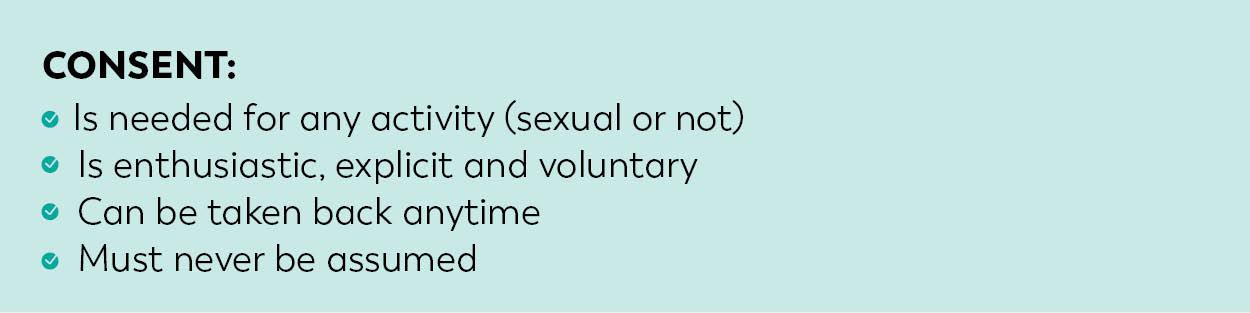
Before I explain why it’s essential to discuss consent at home, I want to clarify what consent truly means. Giving consent involves granting permission to do something or join in an activity. Consent is given when you say ‘yes’ clearly and eagerly. It also includes asking for permission before touching someone or taking any action, and respecting their response or decision.
Why saying ‘No’ feels difficult for children in our culture
Simple, right? Not so much. In our culture, being polite and respectful to others is sometimes considered more important than respecting yourself. Let’s look at a small example. Imagine a family get-together. In many households, you can’t say ‘no’ to:
- More food, even if it means forcing yourself to eat more than what you normally consume
- An impromptu dance (most of us have gone through this as children)
- Answering really personal questions like, “When are you planning to have the next baby?”
All are violations of consent, but you can’t blame anyone because:
- Nobody asked you for consent or waited to hear a ‘yes’ from you
- You didn’t communicate your consent or say ‘no’ loud and clear to anything or anyone.
This is why consent is complicated. We are conditioned to believe that saying ‘no’ is rude.
Teaching children that it is okay to say ‘no’
Let your child know it’s okay to say ‘no’ when they are uncomfortable.
- Respect your child’s ‘no’ when they say it.
- When they don’t want to do something, instead of saying, “I’ll think about it” or “maybe”, help them to say ‘no’ firmly and directly.
- In situations that make them uncomfortable, let your child know they do not have to give a reason for their ‘no.’
- You are your child’s role model. As a parent, get comfortable with saying ‘no’ when you are put in an uncomfortable situation.
Why only a clear ‘yes’ means consent
When talking to your child about consent, it is important to make them understand that ‘consent’ means an explicit ‘yes’. In other words, you are agreeing to participate in an activity only if you say ‘YES’.
Why consent is an essential life skill every child needs
While the popular belief is that consent is only about sex, the truth is that consent should really be treated as a life skill, especially for children. Consent as a life skill involves:
- Knowing what consent means
- Exercising your right to consent (saying ‘yes’ or ‘no’)
- Respecting the other person’s right to consent (waiting to hear ‘yes’ or ‘no’)
Consent permeates every interaction of life. It’s really about establishing your boundaries and knowing what feels right versus what doesn’t. This means consent includes so much more than just sexual activities.
Parent checklist for teaching consent in everyday life
- Start talking about consent in everyday situations
- Teach your child that saying ‘no’ is okay
- Respect your child’s ‘no’ without questioning or forcing
- Model consent in your own interactions
- Help your child use clear and confident language
- Reinforce that only an enthusiastic ‘yes’ means agreement
- Avoid forcing children into social situations they are uncomfortable with
- Use real-life examples to explain consent
Now that you understand why consent matters, the next step is to learn how to apply it in everyday life.
In Part 2, we share simple and practical ways to help your child understand body boundaries, express themselves confidently, and stay safe in different situations.
Want to know how to teach your child about consent simply and practically? Read this helpful guide now and empower your child with confidence.
Saakshi Kapoor Kumar is a psychologist, educator, and Head of The Dot Learning Experience, a comprehensive early childhood education ecosystem. She works closely with schools and teachers to create joyful, child-centered learning environments and has extensive experience in teacher training, early childhood education, and social-emotional learning.
This article was featured in the April 26, 2026, edition of The Free Press Journal

































Comments
Edit
Comment Flag
Cancel Update