
Raising A Gifted Child: 6 Common Challenges And How Parents Can Support Them
Jasmine Kaur
Gifted children face unique struggles beyond academics. Discover 6 common challenges and learn parenting strategies to support their growth and well-being
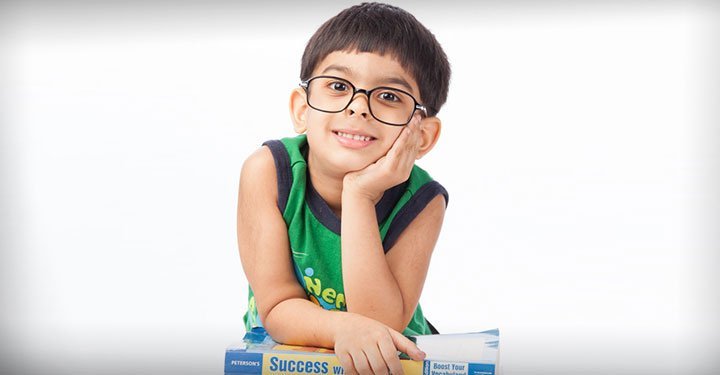
Gifted children are different from their peers. They are often precocious learners, so they are able to learn and master various skills early on. However, in some ways, this ability can present problems as well as opportunities, and needs parental support at all times.
6 common challenges gifted children often struggle with
1. Boredom: Gifted children learn faster than their peers and want to move on to the next level. Therefore, they feel bored when they have to learn at a slower pace. They also feel weary and disinterested when they don't understand the reason behind doing certain activities, repetition, or when the tasks do not seem challenging enough. Boredom can make a gifted child feel frustrated, decrease motivation levels, cause them to underachieve, and pick up unhealthy learning habits.
According to Dr. Devasena Desai, "Gifted students can get easily bored in classrooms, because the material covered is not on par with their advanced learning abilities, even in tests and exams. Some gifted children might even underperform, which makes it likely that they have some learning problem. That must be addressed, as it could lead to disruptions in class. The teacher might say that the child is bright but unable to present their ideas on paper."
- How you can help: A gifted child requires a lot of stimulation in their areas of interest. Parents and schools may not have the resources to do so. Enroll your gifted child in clubs or classes where they can participate in activities of their interest. Let the adults know that your child enjoys having their abilities challenged. This way, they will be engaged and will also receive guidance and encouragement.
2. Friendships: Friends are people we can connect with and reach out to at any time and stage in our lives. But making friends and maintaining friendships can be very difficult for a gifted child. Since these children have advanced cognitive abilities, they may feel that their friends are less mature. This can make friends feel that they are being belittled or criticized. As a result, they may not get along well. Gifted children often seek out older children who match their cognitive level.
- How you can help: The earlier you understand and accept your child's giftedness, the sooner they understand themself and make the necessary adjustments in their social life. You can help your child by arranging social gatherings where they get to interact with children who display a similar level of intellect and interests. It's okay for your child to have slightly older friends, especially when their minds meet. However, it is wise to monitor your child's relationships with older friends for their own safety.
3. Emotional sensitivity: Gifted children experience emotions more intensely than others. So, at times, they may react more severely as well. They are more sensitive to people and situations. They form strong attachments, be it with people, places, or objects, and are empathetic not only towards humans but also towards animals.
- How you can help: A gifted child has to learn to manage their emotions more healthily. To help, ask your child to maintain an emotional response scale from one to ten, with one being the best and ten, the worst. When your child is upset about something, ask them to rate how they feel on the response scale. If your child picks ten, ask if what happened really merits such an extreme response. This way, your child will learn how to place events and emotions in perspective.
4. Sensory over-excitability: Some gifted children might experience sensory over-excitability. This means they experience sensations like light, sound, smell, taste, and texture more acutely than others. This could lead to over-stimulation of the senses and make them feel anxious, frustrated, and unable to focus.
- How you can help: If your child is sensitive to sensory stimuli, try to learn about factors that trigger this behavior. Talk to your child beforehand about what to expect when you think certain situations could make them feel overwhelmed. Discuss with your child what they can do to feel less stressed in situations that tend to make them anxious or upset.
5. Control issues: Often, gifted children are misunderstood as having control issues because they behave differently from others. They tend to ask more questions, do not act on instructions readily, and feel compelled to stand up for what they believe is right. Displaying such behaviors can give the impression that they are being rude, disrespectful, and out of control.
- How you can help: To help your gifted child build social skills, teach them how to exercise self-control and play by the rules. In Dr. Desai's opinion, "As gifted children have good verbal and logical abilities, they don't want to be told what to do. Parents need to be supportive and encouraging of the different perspectives of their gifted child. They should treat their child as if they were a few years older than her age, due to her advanced cognitive abilities. However, when it comes to social and emotional issues and discipline, treat your child according to their age."
6. Burnout: In children, stress, overexertion, and the inability to relax can lead to burnout, mental, physical, and emotional exhaustion. This makes a child feel demotivated, anxious, and fearful. Gifted children can also experience burnout. Dr. Desai says, "Gifted children are full of ideas and try very hard to succeed. For example, if such a child is planning to take part in a quiz, they might read a few books to prepare, while also keeping up with what's being taught in school and doing other chores. However, working so hard without taking breaks can leave the child feeling exhausted."
- How you can help: Your gifted child may try to work beyond their limits at times. So, help them slow down. Break up tasks into small sessions. Instead of multi-tasking, which creates distractions and decreases productivity, ask them to focus on one task at a time. Be on the lookout for signs of burnout and try to give your child a break from their usual schedule during the weekends.
Although gifted children are way ahead of their peers when it comes to intellectual abilities, they also need a lot of help and support. As a parent, you need to understand this fact and help your child blossom into a well-balanced individual.




























Comments
Edit
Comment Flag
Cancel Update