
FEATURED
Cyberbullying In Children: How To Recognise Warning Signs And Protect Your Child Online
Kerina De Floras Felix
author parentcircle author parentcircle author parentcircle author parentcircle author parentcircle author parentcircle author parentcircle author parentcircle author parentcircle author parentcircle author parentcircle author parentcircle
Cyberbullying can affect your child's confidence, mental health, and academic performance. Learn how to recognise the warning signs, prevent online bullying, and support your child with practical, compassionate strategies

As children spend more time learning, gaming, and socialising online, they may encounter the risk of cyberbullying. Recognising the warning signs early and knowing how to respond can help protect your child's emotional well-being.
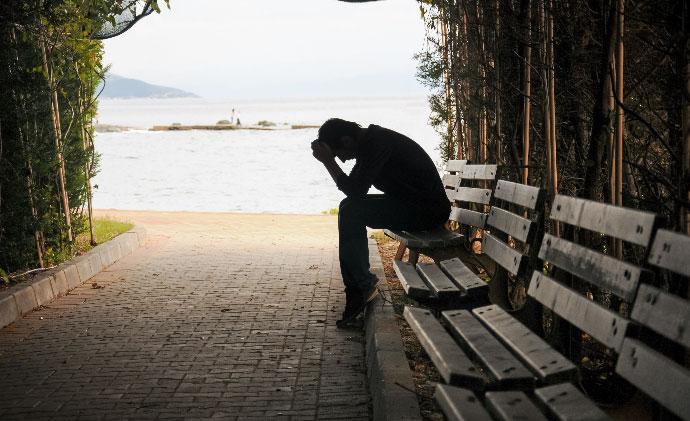
Some children may become withdrawn, anxious, irritable, or reluctant to use devices they once enjoyed. Left unnoticed, it can lead to anxiety or depression. Cyberbullying must be handled with care and at the right time.
Read on to know the signs and the effective steps you can take to prevent your child from being bullied online.
Note: This article is based on guidance from trusted child online safety and digital parenting resources to help parents recognise cyberbullying, respond effectively, and support their child's emotional well-being.
What is cyberbullying?
Cyberbullying is using digital technology to deliberately hurt, harass, embarrass, threaten, or intimidate someone.
Where can cyberbullying happen?
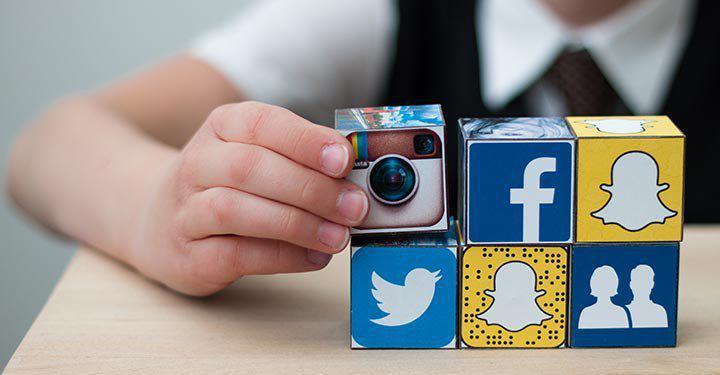
It can happen through text messages, calls, social media platforms, online games, emails, or any other digital platform.
Common examples of cyberbullying
- Repeatedly posting threatening or humiliating comments about someone online.
- Deliberately excluding people from online games and forums
- Stalking people online
- Sharing someone’s personal information on digital platforms without their permission
- Spreading rumors about people online
- Posting harassing photos or videos of someone without their permission
Signs your child may be experiencing cyberbullying
Cyberbullying can cause low self-esteem in children and teenagers. They may show less interest in school, and their academic performance may drop.
Your child:
- Avoids school or social activities
- Suddenly loses interest in favourite hobbies
- Appears anxious while using a phone or computer, or after
- Becomes unusually secretive about online activities
- Has trouble sleeping
Help your child respond to cyberbullying
Remember G.E.T.R.I.D.
To help your child 'G.E.T.R.I.D.' of the negative experience of cyberbullying, here are six steps you can tell them to follow, as suggested by raisingchildren.net.au
- Go online and block or delete the cyberbully
- Ensure you keep evidence of cyberbullying
- Tell someone you trust, like a parent or older sibling
- Report abuse by clicking on the “Report abuse” link on a website or app*
- Initiate control of the situation by stopping contact with the person, and focus on calming down
Delete the bullying message or post after you have saved it
*You can report cyberbullying at the National Cyber Crime Reporting Portal (cybercrime.gov.in).
How parents can support a child experiencing cyberbullying
If your child is being cyberbullied, they may feel emotionally vulnerable. It’s important at this time to show your love and support. Here’s what you can do:
Teach your child how to recognise cyberbullying
- Talk to them about what abusive messages, comments, or online behaviour can look like.
- Show them how to use the "Report" feature available on most social media platforms and apps to report abusive content or accounts.
Help your child protect their privacy online
- Show them how to block or restrict accounts that harass them and review their privacy settings to control who can view their profile and contact them.
Listen without judgment
- Be sensitive to your child's feelings and encourage them to share their experience openly.
- Avoid banning your child from using technology altogether. Doing so may make them feel blamed, embarrassed, or reluctant to tell you about future online problems.
Reassure your child that the cyberbullying is not their fault
- Let them know they did the right thing by telling you and that you will work together to address the situation.
Seek professional support if needed
- If your child continues to show signs of stress, anxiety, depression, or emotional distress, consult a qualified mental health professional.
Parent checklist
If your child is being cyberbullied:
- Stay calm and listen without blaming or criticising your child.
- Reassure your child that the bullying is not their fault.
- Save screenshots or other evidence before deleting messages.
- Block and report the person responsible.
- Avoid responding to abusive messages.
- Encourage your child to talk about how they feel.
- Monitor their emotional well-being over the following days and weeks.
- Seek professional support if your child shows signs of persistent stress, anxiety, or depression.
Cyberbullying can have lasting emotional effects, but timely support from parents can help lower the emotional stress.
Encourage open conversations, teach safe online habits, and act promptly when problems arise to help your child navigate the digital world with greater confidence.
This article is intended for informational purposes only and should not be taken as professional advice. If your child is experiencing persistent emotional distress, consult a qualified mental health professional.
Trusted sources:
- Indian Cyber Crime Coordination Centre
- National Cyber Crime Reporting Portal*
- CyberDost
- UNICEF (for child online safety guidance)
It's important to know the legal remedies available. Explore Cyberbullying: Laws and Policies in India to understand the law, reporting mechanisms, and support available to children and families.
This article was featured in the July 26, 2026, edition of The Free Press Journal
Published: July 13, 2026



























Comments
Edit
Comment Flag
Cancel Update