
Smartphones vs Smart Cyberparenting: How To Guide Kids Safely In the Digital Age
Dr Debarati Halder
Watch out! Your child's familiarity with digital technology and the Internet could spell danger! Learn how smart cyberparenting can turn screen time into a safer, more balanced experience for your child.

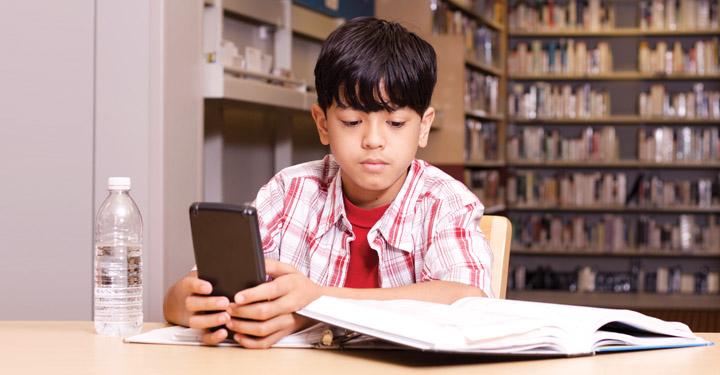
The smartphone has become ubiquitous today, with each member of the family, irrespective of age, possessing at least one smart device to stay ‘connected’. And, where buying a smartphone is concerned, it is not only the elders in the family who decide. Even 5 and 6-year-olds are ready with suggestions on what phone to buy and from which shopping platform. Children are well aware of the different brands of smartphones and their specifications. Also, it is often they who direct their parents on downloading free games, shopping and communication apps, photo-managing apps, etc., from the Google Play Store. But this kind of familiarity with technology comes with its dangers.
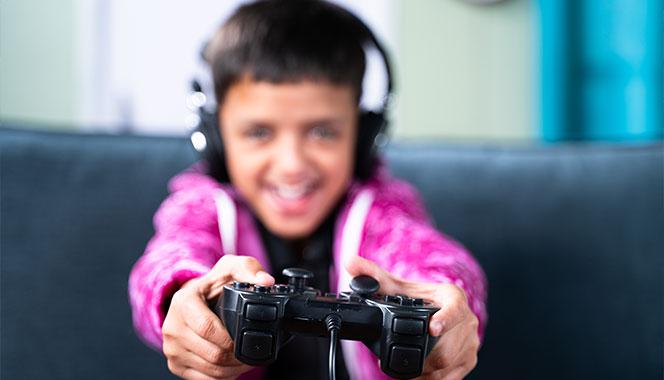
I have interacted with many parents of children of the digital communication technology era, and they are worried about their children’s safety on the Internet. However, it is often the parents themselves who introduce their children to the Net and various online games. Many of them use these games to pacify the children and keep them out of trouble, little realising that some of the more violent ones numb the child to the pain of others. The child may even start getting sadistic pleasure from what we call ‘visual victimisation’.
Dangers associated with smartphones that you must protect children from:
Dangers of photo apps and cameras: Parents allow their child to play around with photos on their phones. The child may use a photo editing app to add a ‘piggy nose’, ‘doggy ears’ or fancy hairstyles to the photos of family members without their permission. The parents may laugh it off, secretly proud of their child’s creative skills. But they may soon learn to morph pictures if they are not monitored. Parents mustn't leave a camera device (including a camera phone) unattended with a child. They should also take great care to ensure the child does not infringe on the privacy of others, even in a public place. They should be taught not to take pictures of people when they do not want to be photographed – specifically in washrooms, restaurants, beaches or on public transport. Such habits don’t always turn the child into an excellent amateur photographer; they could well turn him into a voyeur instead.
Dangers of social media: Let’s turn to social media. What would you do if you suddenly found your preteen on social media in a fake avatar? I have seen several children opening Facebook accounts much before they are eligible to do so. They love to play hide-and-seek with parents, meet exciting virtual friends, upload pictures of themselves and others they have photographed in public places, just to get a huge number of likes, or bully ‘enemies’ or shadow teachers they don’t like, and tear them to shreds. Sometimes, they discuss studies with friends. The child may even operate their parents’ social media accounts. In such cases, the parents will become directly liable for any criminal activity done by the child.
So, how can you be a good friend while guiding your child in their Internet adventures?
Here are some smart cyberparenting tips:
- Do not use your phone as a pacifier. Introduce your toddler to real toys, let them watch cartoons on TV, and encourage them to sketch and draw instead of playing games on a device. You may make them addicted to your device, not only to the game apps.
- Start teaching them the pros and cons of digital communication technology right from preschool. Introduce them to the positive aspects of technology, like connecting with grandparents and video calling uncles, aunts, and cousins. This will help them become more attached to family instead of playing with animated humans, which will only make them indifferent to real people.
- Teach them not to touch your phone or your spouse’s phone without permission. They must learn it is not a ‘toy’ but an instrument that can be put to positive use.
- Nurture their photography skills from around 6-7 years and so that they begin to enjoy the beauty of nature. Teach them what to photograph and what not to, and to respect others' privacy. They will turn into a ‘positive cause photographer‘ and make you proud.
- Do not curb the child’s curiosity about social media. But show them the company’s policies regarding age. Promise them their own space on social media when the right time comes. Help them see the positive and negative aspects of social media when they start learning computer science as a subject in school. Teach them about safe touch and unsafe touch as well as about safe talk and unsafe talk online. Show them your online profile and explain how you operate it. But never let them operate it without your supervision.
- Gift your child their own Facebook account on their 13th birthday, with their friends already added—parents and family members whom they can rely on in case of any problem. However, make sure they use it in your presence and with your guidance.
- There is nothing more enjoyable than letting grandparents be students to their grandchildren. I knew my child was going to be safe and grow into a responsible netizen when she made her grandma her Facebook student.
- Do not spy on your child on the Internet. But be the friend who alerts them to danger.
- Remember, accidents do happen despite all precautions. Be there for your child and help them stand strong against all odds. Never discourage the child from reporting crimes even if it is trivial in your eyes.
Following these suggestions will definitely make cyber space safer for your little one and allow you to stop worrying about him.
About the author:
Dr Debarati Halder is the Honorary Managing Director of the Centre for Cyber Victim Counselling (www.cybervictims.org), and professor and head of the Department of Research, United World School of Law, Karnavati University, Gandhinagar, Gujarat. She can be reached at: @ccvcindia@gmail.com
Discover our health and safety program for pre-primary children at The Dot Learning Circle, designed specifically for LKG and UKG students. We focus on building children’s awareness of safety protocols in different situations, understanding personal space and safety, and the importance of getting help when needed. Our engaging curriculum ensures young children learn essential safety skills.





























Comments
Edit
Comment Flag
Cancel Update