
Understanding Constipation In Children: Causes, Dietary And Lifestyle Changes To Treat And Prevent
Dr Deepak Ugra
Constipation is a common concern in children, but understanding its causes can help prevent discomfort. A pediatrician explores the reasons behind constipation and provides practical dietary and lifestyle changes to promote healthy digestion and long-term relief
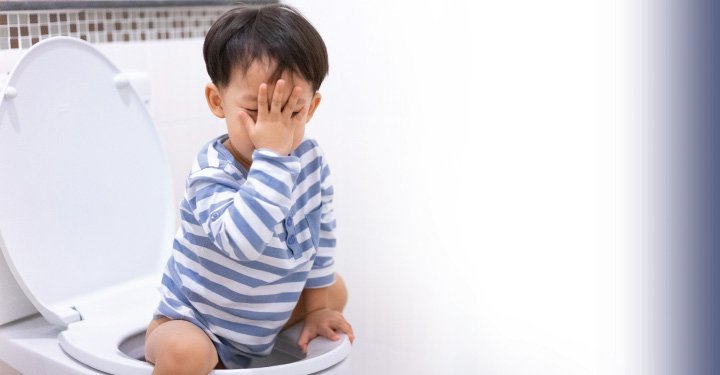
Constipation is a very common problem among children and one of the main reasons for outpatient visits to pediatricians. Now, what exactly is constipation? It means incomplete evacuation of poop. A child who is constipated may have very hard stools or fewer or irregular bowel movements. Although constipation in children isn't usually a serious issue, constipation must be recognized early in children to prevent it from becoming a long-term problem.
Here are some common causes for constipation and simple lifestyle changes that can help your child manage the problem better and make it a less frequent occurrence.
Causes of constipation
Late rising: When children get up late and rush to school, they may not have enough time to go to the toilet in the morning and, hence tend to get constipated. Your child needs to poop in the morning. Let me share a case: A few months back, I saw a 9-year-old boy who had been complaining of recurrent abdominal pain for nearly six months. When I enquired, I found that he goes to the toilet every afternoon after coming back from school. I asked his parents to wake him up 15 minutes earlier and to ensure that he went to the toilet before leaving for school. This helped him get rid of his annoying abdominal pain.
Incorrect pooping position: Instead of sitting on the toilet seat, many children try to poop while standing. This is not a good habit and it can lead to constipation.
Inappropriate time spent on the toilet seat: The time children spend on the toilet seat is another important factor that contributes to constipation. Children who spend too little time on the toilet seat don't have enough time to poop. Children who spend a lot of time on the toilet seat are often distracted by something else and hence don't focus on evacuation. Many children carry electronic gadgets or comics to the toilet. Don't encourage this habit as it can distract your child. And parents, make sure nobody talks to your child when they are sitting on the toilet seat.
Recently, a 7-year-old boy came to see me. His parents were working and had to leave for work early in the morning. It was easy for them to send their son to the toilet with an iPad. He played on it and came out after ten to fifteen minutes and nobody noticed whether he had pooped well or not. The parents brought their son to me when his food intake had decreased significantly and he had started complaining of abdominal pain. Just the minor change of leaving his iPad outside the toilet made a huge difference and gradually, his appetite improved.
Low-fiber diet: Children who consume a lot of milk tend to get constipated. Also, a diet rich in refined flour can make your child constipated. So, if your child tends to get constipated, don't give them milk and maida-based foods. Pomegranates, too, can cause constipation.
A balanced diet is the key to helping your child maintain good bowel habits. Give your child a fiber-rich diet and plenty of liquids. This will help prevent constipation. Some high-fiber foods include green vegetables, spinach, papaya, banana, orange, sweet lime, prunes, and raisins.
Excess screen time: Children who spend long hours in front of the screen generally tend to get constipated more often. It is becoming a common problem. You must encourage your child to do some physical activity every day.
Signs to look out for: Sometimes, a child may be pooping almost every day. But there may still be a possibility of constipation if there are other signs:
- Weight loss
- Chronic appetite loss
- Recurrent abdominal pain
- Blood in the stool
- Pain while pooping (constipation can cause the lining of the anus to tear, which can cause a lot of pain. Often, a constipated child may try to avoid going to the toilet because of fear of the pain. This, unfortunately, worsens the problem.)
- Fever
Visit your pediatrician if your child is experiencing any of the above symptoms.
Treatment: Constipation is usually treated by identifying the cause of the problem and rectifying it. For instance, if lack of exercise is the cause, the doctor will ask the parents to ensure that their child gets enough exercise. Moreover, a fiber-rich diet and adequate fluids would be recommended. Lifestyle changes are often sufficient to tackle constipation. Sometimes, a stool softener or a laxative may be prescribed by your pediatrician. Never give your child laxatives or stool softeners without your pediatrician's recommendation.
In rare cases, constipation may be a result of other underlying health conditions, and treatment in these cases involves treating the underlying physical problem.
In general, constipation in children is not a serious issue. But make sure you address it. A constipated child may not be able to pay attention in class, may lose interest in activities they enjoy, and may feel uncomfortable all the time.
Dr. Deepak Ugra is a consultant pediatrician at Hinduja Hospital Khar, Mumbai.



























Comments
Edit
Comment Flag
Cancel Update