
Say NO to bullying
Roshini Varghese
author parentcircle author parentcircle author parentcircle author parentcircle author parentcircle author parentcircle
Help your child stand up for himself and put an end to the bullying menace, with the help of this article.
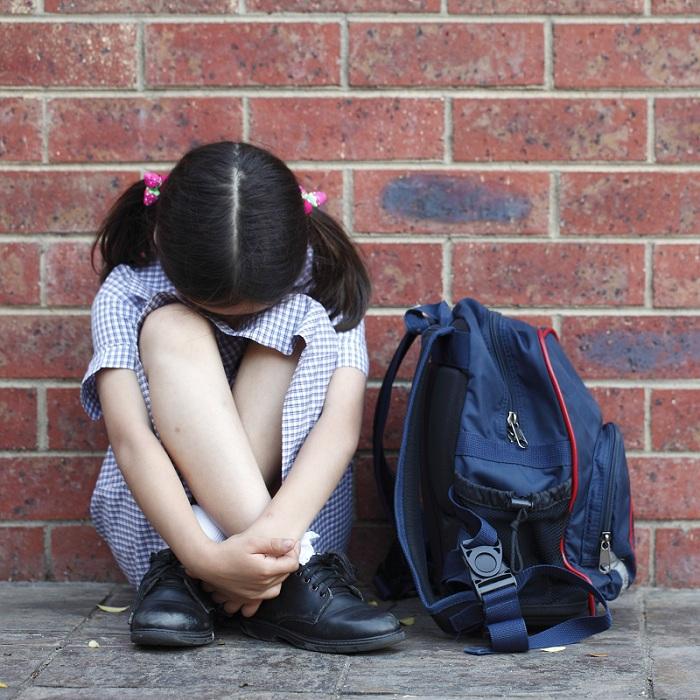
According to Indian government and academic sources, bullying is defined as aggressive or manipulative behaviour towards an individual or group, typically due to a power imbalance between bullies and victims. Some view childhood bullying as a normal phase of schooling which helps children toughen up and develop resilience. But, research demonstrates that bullying predisposes victims to a number of negative outcomes. This includes poor mental health, drug and alcohol abuse, increased suicide risk and relationship difficulties.
Just as bullying takes on a variety of forms, bullies and victims come in different forms too. Victims are generally targeted because they seem vulnerable, different or trigger some form of insecurity in the bully. Here are some typical examples
- Children who appear different to the rest of their peers - they may be shorter, of a heavy build, wear glasses, or have a physical disability.
- Children who do not have as much perceived ability as others - this includes children who are struggling academically or who possess an intellectual disability.
- Children perceived as outcasts or as too different from the mainstream - this includes gay/lesbian students, those who identify themselves as transgenders and children from different religious or ethnic backgrounds.
- Children with poor social skills, such as extreme shyness, who experience difficulty in forming relationships. Children with autism also struggle in this area and can end up being alienated because of this.
Debates exist as to what types of people are prone to bullying others. One theory is that bullies actually possess low self-worth themselves and victimise others in order to feel better. There are also other factors that increase the likelihood of bullying behaviour. Some of them are:
- Anonymity (facilitated through mediums such as the Internet)
- Bystanders or onlookers who disapprove but do little to intervene when bullying is witnessed
- Any high-pressure or stressful environment, which increases self-comparison, anger and jealousy between humans (examples include toxic workplaces, overly competitive schools and prisons)
- A culture which endorses bullying behaviour or practices implicit approval of bullying behaviour (for example, cultures where male domination of females is romanticised or ingrained)
Addressing and preventing bullying
Once bullying has been identified, swift action needs to be taken in order to resolve the issue. Families and schools have an important role to play in tackling this. Schools need to maintain bully-free environments, as it will make students perform better academically and co-operate better with one another as well as with teachers. As far as families are concerned, they need to be aware that keeping their children safe from bullying is ideal for children's intellectual, social and emotional development.
Teachers and parents need to play specific roles, and should take actions that:
Their understanding of the victim's distress, and
Their commitment to preventing further bullying.
This might involve separating the bully and the victim, addressing each of them individually, and spelling out clear consequences for the person who has engaged in bullying. Counselling and support may also be necessary for the victim to address the emotional and/or psychological trauma of being bullied. It is also essential to develop the interpersonal skills necessary to prevent further victimisation.
This is only a very small part of the solution, however, and our broader objective should be to change the culture within families and schools to encourage feelings of safety, confidence and self-acceptance in our children.
Bullying not only demoralises a child, but also creates a huge negative impact on individuality. It needs a combined effort from parents and teachers to stop it at the very first instance.
Roshini Varghese is a psychologist and freelance writer from Melbourne, Australia.
Discover our health and safety program for pre-primary children at The Dot Learning Circle, designed specifically for LKG and UKG students. We focus on building children’s awareness of safety protocols in different situations, understanding personal space and safety, and the importance of getting help when needed. Our engaging curriculum ensures young children learn essential safety skills.

























Comments
Edit
Comment Flag
Cancel Update