
Guide on how to creatively teach children about the importance of voting and election
Jasmine Kaur
Here's how you can educate children about voting and the election process in India, which are both integral to our democratic system of governance.
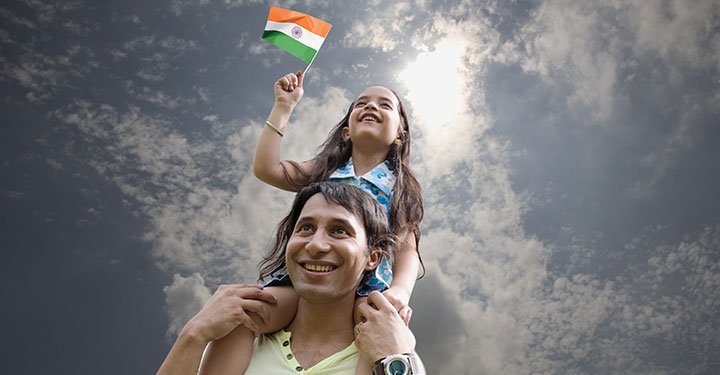
When the elections are in progress, a lot of news is focused on it. So, it's likely that your child is brimming with questions about it. However, given the complexity of politics, you might find it difficult to explain the process simply. So, here's a guide on how to teach children about voting and elections.
What is voting?
Voting is a decision-making process for a group of three or more people to reach a collective decision. The voters choose between two or more options. The option with the most votes usually wins. For example, if your child and their friends are trying to decide whether to play cricket or football, they can take a vote on it. Whichever option gets the most votes can be the game they play.
For the elections, the voters go to a polling station and choose from the available candidates during the voting period. Their votes are recorded and tabulated electronically.
What's the importance of voting?
In elections, voting is about choosing a reliable leader for the nation. A nation needs strong leadership to function as everyone can't vote on every single national decision. For example, a school has a principal to lead the students and teachers and to maintain a structure in place so that there is limited chaos. Due to their expertise, a principal is probably in a better position to decide on what type of pedagogy to have in school than the students. Similarly, a leader with relevant expertise is probably in a better position to make decisions about laws about transport, infrastructure, labour, etc. than a randomly chosen citizen.
To have a good representative, it helps if a majority of the population votes. This helps improve the diversity of opinions and needs of citizens reflected in the chosen candidate. Moreover, it is our civil duty to vote. Because even though each individual vote might not count for much, together we have the power to make a difference.
What are the eligibility criteria to vote in India?
- To be at least 18 years old as of 1st January of the election year
- To have a voter ID
- Not have been officially declared to have an 'unsound' mind
- Not be imprisoned at the time
Why are children not allowed to vote?
Children are not allowed to vote primarily because they are considered to lack the maturity, experience, and understanding necessary to make informed decisions about political matters. Voting is a fundamental right and responsibility that comes with citizenship, and it is generally believed that individuals should have reached a certain level of intellectual and emotional maturity before participating in the democratic process.
In most countries, the legal voting age is set at 18 or older, although there can be variations. This age is typically considered a threshold at which individuals are presumed to have gained enough life experience, education, and cognitive development to make reasoned judgments about political issues and candidates.
How can children get involved in the election process?
Even though voting is one of the most essential aspects of an election, there are other ways of getting involved. If your child is very interested in the elections you can encourage them to write and debate about their chosen candidate along with some policy issues close to their heart with their peers. This way they can spread more awareness about the elections.
Who has been elected in the past?
You can use the election process as a way of teaching your child some history. You can discuss the previous Prime Ministers and why they were elected. This will also help provide some examples for your child to understand the upcoming elections better.
Picture books on elections
Here are some children's books on voting and elections, which you can get help from while educating your child about the elections.
Amelia Bedelia's First Vote
Author: Herman Parish
Illustrator: Lynne Avril
This book teaches children about the process of voting and making rules in a fair way as the students come up with their own rules.
One Vote, Two Votes, I Vote, You Vote
Author: Bonnie Worth
Illustrators: Aristides Ruiz And Joe Mathieu
The popular Dr. Seuss character, Cat in the Hat, makes a comeback as a presidential candidate to represent children.
Grace for President
Author: Kelly DiPucchio
Illustrators: LeUyen Pham
A girl decides to run for president after learning that her country never had a female president.
We often imagine politics to be too complex for young kids, which it can be. However, if we try, we can help children understand this crucial process. Not to mention that it can encourage them to become more involved citizens.


















Comments
Edit
Comment Flag
Cancel Update