
How To Cope With My Anxious Child (10-Year-Old)
Dr Mala Muralidhar
author parentcircle author parentcircle author parentcircle author parentcircle author parentcircle author parentcircle
Is your child anxious most of the time? How can you tell if it is a normal case of anxiety or a disorder that needs medical attention? Read on and find out.
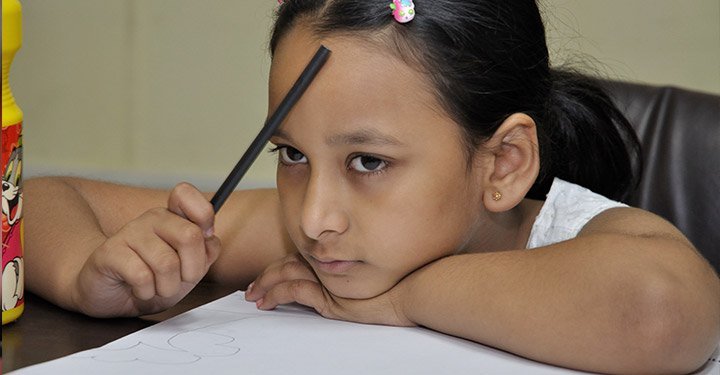
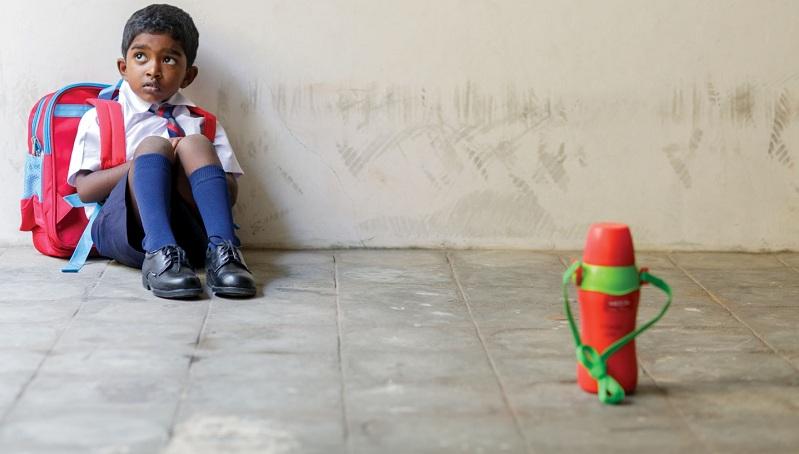
Radhika's nine-year-old son, Tusshar, worried excessively about various things. He was anxious when it came to his studies and school assignments, and his relationship with his friends and teachers. Radhika thought it was simply a part of growing up and did not pay much heed to it. However, at one point, Tusshar became extremely anxious and, in fact, refused to attend social gatherings. So, Radhika took him to a psychologist who diagnosed him with anxiety disorder.
Tusshar's case is not an isolated one. There are numerous children who suffer from anxiety disorder. Therefore, as parents, you should learn to recognise the signs and symptoms of this distressing disorder and try to adopt the best possible treatment advised by your doctor. While doing so, you should also keep in mind that there is a high chance of a child who is always anxious developing an anxiety disorder later in life.
Anxiety disorder in children
Anxiety disorder is a broad spectrum of disorders that include social anxiety disorder, generalised anxiety disorder, obsessive compulsive disorder (OCD), panic disorder, separation anxiety disorder, post-traumatic stress disorder (PTSD), acute stress disorder and phobias.
Let's get to the details:
- Generalised anxiety disorder: This disorder is characterised by the child being overly worried about a number of general things such as studies, school, family, friends and other day-to-day things.
- Separation anxiety disorder: In this situation, the child has an extreme bout of anxiety when she is away from home or separated from her caregivers (parents, grandparents or nanny).
- Social anxiety disorder: This disorder involves high levels of anxiety in the child regarding any peer interaction or meeting new people. He has a fear of being rejected or judged and is very self-conscious in a social situation.
- Obsessive-compulsive disorder(OCD): This condition urges a child to obsessively carry out certain compulsive and repetitive behaviours that are beyond the child's control. For example, a child may start washing his hands even at the mere thought of it getting dirty.
- Panic disorder: In this case, the child experiences a sudden onset of intense fear about something even though there is nothing to worry in that situation and it is blown out of proportion. This is followed by weeks of worry about having another similar attack.
- Post-traumatic stress disorder (PTSD): PTSD is described as a mental disorder involving extreme anxiety caused by a frightening, stressful or traumatic event such as a natural disaster, an accident or a violent assault on a child.
How does anxiety manifest in a child?
The following symptoms may be present in an anxious child:
Physical manifestations
- shortness of breath
- sweating
- nausea
- giddiness
- fatigue
- irregular sleep
- unexplained aches and pains
Psychological manifestations
- worries a lot
- lacks confidence
- feels unhappy
- anticipates negative consequences
- is fearful
- has a pessimistic outlook
- finds it difficult to concentrate
- has negative thoughts
Behavioural manifestations
- avoids activities (such as school refusal) or lacks initiative
- tends to be passive
- prefers being alone and is withdrawn
- seeks constant approval or reassurance from others
- feels restless
- is irritable
Causes of anxiety disorders
Anxiety disorders are usually caused by genetic or environmental factors, or a combination of both.
Genetic:
Anxiety disorders are more common in children of parents with a history of anxiety disorder. Family history of any psychological or psychiatric condition can also have a genetic vulnerability on the child to be anxious.
Environmental:
A child's negative experiences in life like any loss, trauma or abuse can also manifest as anxiety symptoms while growing up.
Parents' personality:
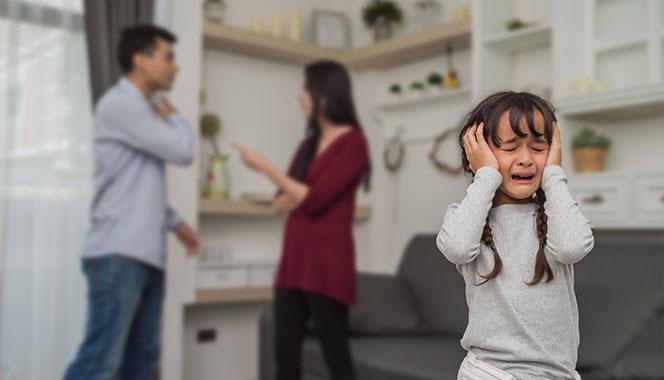
The personality of parents, their approach towards their child, and their own fears and apprehensions make a lifelong impact on the child's perception of the self. For example, if the parents are themselves worried, hypercritical or doubtful, the child can become fearful and apprehensive, or may develop threat schemas, i.e., viewing situations and events as threatening.
Parents who are not aware of the impact of their own behaviour may pass on their own vulnerabilities to the child. Therefore, a child who has seen a parent fearful of consequences picks up the fear response as her primary coping mechanism to deal with a stressful situation. Likewise, a parent who cannot tolerate negativity and becomes harsh or punitive pushes a child to believe that negatives are catastrophic and should not be tolerated. Hence, fear and anxiety become automatic responses to 'fear' stimuli for the child.
However, these genetic dispositions or environmental factors can be handled effectively by a supportive environment through which a child can learn positive coping mechanisms to deal with stressful situations.
Tips for parents to deal with a child's anxiety issues:
- Notice and identify anxiety symptoms in children. If the symptoms persist for more than 4-6 weeks, consult an expert or seek medical help.
- Do not blame your child for her anxiety. Empathise with her; do not show any aggression.
- Try and change certain parenting approaches to help the child normalise.
- Try to talk to the teachers or caretakers to help them support the child better, by explaining the child's anxiety issues to them.
- Remember, psychotherapy and cognitive behaviour therapy can help the child deal with anxiety. Therefore, seek professional help and take your child to a psychiatrist or psychologist, who is better equipped to deal with the child's anxiety issues and can suggest relevant therapy and medication to improve the condition.
Remember, apart from the above tips, a supportive, safe and an encouraging environment at home is of the utmost importance. Anxiety, especially for most children, is a part of life but it does not mean it has to last for ever. Taking certain steps can help manage anxiety in children and help them lead a more normal life.
Dr Mala Murlidhar is a clinical psychologist
Validated by Dr Meghna Singhal, a clinical psychologist, psychotherapist and a parenting consultant at ParentCircle
Looking for expert tips and interesting articles on parenting? Subscribe now to our magazine. Connect with us on Facebook | Twitter | Instagram | YouTube




















Comments
Edit
Comment Flag
Cancel Update