
World Autism Awareness Day: Recognising the Potential of Autistic Children
Team ParentCircle
Early diagnosis and appropriate interventions are crucial factors in alleviating symptoms and managing autism. We bring tips to help parents deal with the challenges of raising autistic children
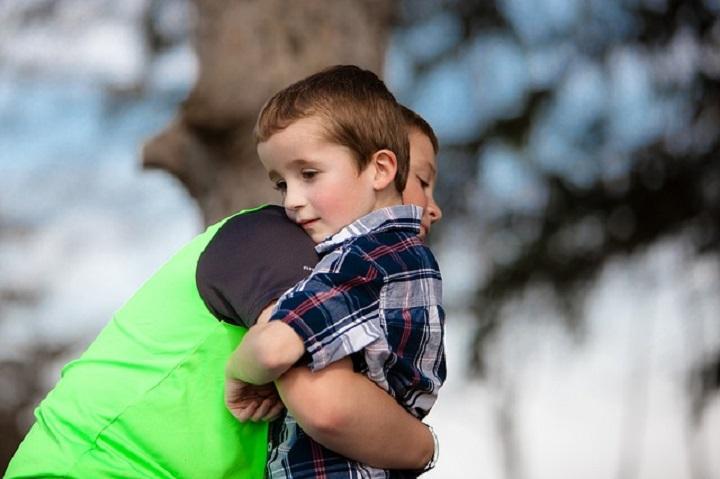
Every year, April 2 is recognised as World Autism Awareness Day. Understanding the importance of early diagnosis will lead to timely intervention and support for autistic children. Arundhati Swamy, family counselor and head of Parent Engagement Programmes at ParentCircle, answers questions related to autism and suggests tips for parents of autistic children to deal with the challenges of raising them.
What is autism?
Autism is an early complex neurodevelopmental disorder that affects different people in different ways. It impairs how people relate to each other (social interaction), language development and communication skills. Hence, they have difficulty understanding what other people think and feel, and therefore, struggle to express themselves through facial expressions, gestures and touch.
Some are very sensitive to sensory stimulation such as touch, sounds, smells or sights that appear normal to others. Autism is four times more common in boys than in girls.
Is a child born with autism or is it an acquired condition?
Children are not born with autism, although some can show symptoms at birth. It usually appears within the first three years of life. Some children seem to be initially developing normally and show symptoms between 18 and 36 months.
Can autism be treated or corrected?
There is no known 'cure' for autism. Since the time it was first identified in the 1940s, there is a lot of understanding about the condition. Ongoing research will ultimately lead to evidence-based interventions.
Can an autistic child ever lead a normal life?
Depending upon the degree of the condition and its impairments, some children can lead a normal or near-normal life. Much depends on early diagnosis and appropriate interventions that help to alleviate symptoms and manage the condition. Specific training based on their needs enables improved functioning
What are some of the signs and symptoms of autism that parents should watch for?
- delayed learning of language, repetitive language
- repetitive actions or motions such as rocking, flapping hands, pacing
- little or no eye contact
- difficulty in having a conversation
- difficulty with reasoning and planning
- an intense focus on certain interests
- poor motor skills
- sensory sensitivities
- preference to play alone, sometimes not noticing their surroundings
- no indulgence in make-believe play
- fixated on or attached to objects
- aggressive behaviour or capable of causing self-injury
- resisting change in routines
- may have seizures
Whom should parents consult when they see these signs and symptoms?
- Developmental paediatrician
- Neurologist
- Speech and language therapist
Although some children have a cognitive impairment, they may have unusually developed skills in drawing, music, math or a phenomenal memory for facts.
What are the therapies available for autism?
- Therapies and approaches must focus on the areas of deficits.
- Behaviour therapy at the earliest helps children learn self-care and social skills.
- Social skills training is essential to improve the quality of life.
- Special Education Programmes.
Acceptance and inclusion by people will help integrate autistic people into mainstream life.
How can parents help an autistic child lead a normal, productive life?
Some people with autism can live independent and productive life. Those with severe disabilities will require life-long care and support. Significant outcomes are a result of awareness, acceptance and professional support.























Comments
Edit
Comment Flag
Cancel Update