
SQUID Minders: Your Brain, Your Choices, Your Parenting Methods
Mel Ganus
author parentcircle author parentcircle author parentcircle author parentcircle author parentcircle author parentcircle
Is stress making you lose your cool? Then, become a SQUID Minder and help keep yourself calm. To know more about SQUID, please read through this article!
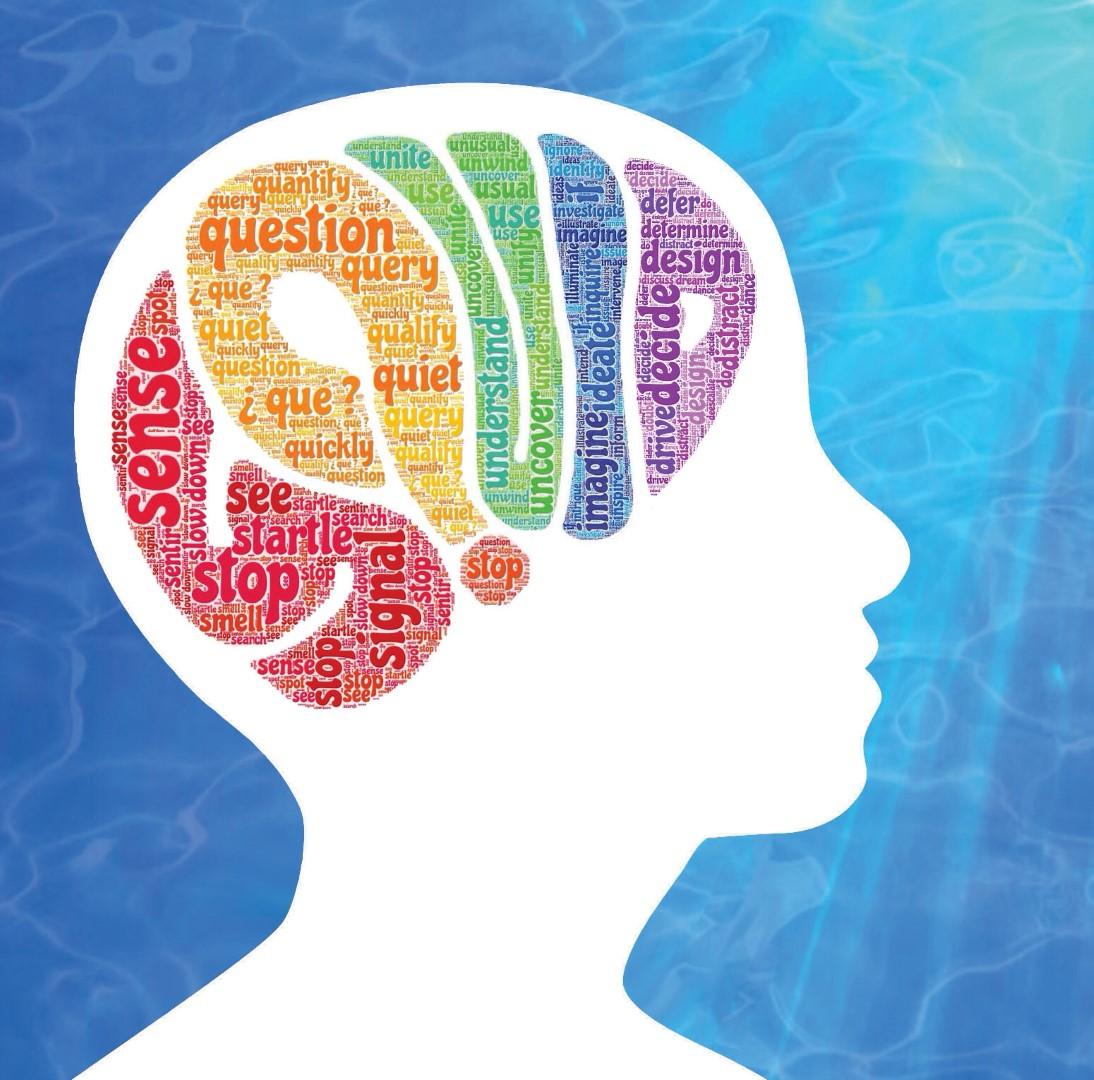
Wonder why we sometimes react in haste and lose control of our emotions? How much of our drama could be avoided? Our expert, Dr. Mel Ganus, helps you learn how to better understand and manage your emotional brain, with innovative mindfulness tool known as SquidMinders.
Scene 1: Take 1
A typical weekday morning. Family members include mommy, daddy, 5-year-old daughter, Nia, and 11-year-old son, Nishant.
What do you think happened here? Why did mommy lose her cool? What triggered her thoughts and reactions? What could she have done instead? The answers, quite literally, lie in our brains. By studying neuroscience at any level, we can better understand why situations like these happen. The more we understand, the easier it becomes to minimise our dramas and maximise our quality of life.
The brain science
In order to understand what triggers emotional reactions, let us look at the evolutionary anatomy:
The nervous system and our Ancient Brain: Home to our instincts, muscle memory and our most embedded programming - Designed over 300 million years to be highly reactive to ensure our survival.
The limbic system and our Emotional Brain: Extremely old and powerful, our limbic system manages the neurochemistry of emotions that wash over us. When the Ancient Brain senses trouble, the limbic system fires off neurochemical messages across the nervous system to prepare the body for fight or flight. Also designed to be highly reactive with varying emotional states of mind able to vary wildly in short periods of time. Ideally, this system is in an alert readiness state but with a feeling of 'ease' and pleasantness, not constant stress.
The neocortex and our Thinking Brain: Our newest brain, the wrinkly grey matter we picture as the brain, is the home of our conscious awareness. The neocortex processes information at a whole new level, giving us the opportunity to choose how we respond rather than defaulting always to our instinctive reactions. While it is not as strong as the older systems, our Thinking Brain can learn how to watch and influence our older brains, rewiring our systems to be less reactive and dramatic.
The mind in action
So what happened in our first scene?
Mommy's brains were alarmed out of their sleep by an irritating clock. Her emotional mind was primed for overreacting, drama, and suffering for the whole family. She was not even aware she had other choices of how to think, feel and behave.
By understanding more about her brain, she now has the option to approach the morning differently. When she wakes up, she can consciously use her neocortex to prime her older brains for a great day, with enough personal strength to handle whatever comes up with more ease and kindness.
Introducing the squid brain!
SQUID, it turns out, make a fantastic metaphor for understanding our older brains and nervous systems. Squid has existed for 100s of millions of years and is very fast and reactive. It changes colors, attack and squirts ink when distressed. We call the collection of our older brains and nervous system our SQUID Brain.
SQUID also makes a great 5-step mindfulness technique to help engage the Thinking Brain to help find choices and determine best options. We invite people to "Think BEFORE you ink!"
The 5 steps of SQUID:
- Stop - interrupt your reactions when you notice something is wrong
- Question - ask your thinking brain "What are my intentions here?"
- Understand - look at the bigger picture to understand the situation that is triggering your reactions.
- Imagine - consider alternatives on how to respond.
- Decide - consciously and respond to match your intentions.
Our brain is made of more than 100 billion neurons. Metacognition, watching our own minds in action, gives us the opportunity to make observations and better choices. We can deliberately begin rewiring the automatic pilot programming we have. Using the 5 steps of SQUID can make that easier. You can reinforce your conscious effort by using SquidMinders to remind you of your intentions. Use whatever you can for additional reinforcement to the new neural pathways you want to develop. We highly recommend watching Dr. Joe Dispenza's TEDx video on "Thinking, Doing and Being" which is exceptional for developing a better understanding of how you can consciously rewire your own brain.
Why Squid works
- It takes new tools, conscious effort and ongoing practice to reprogram our reaction patterns.
- Imagining our primal systems as SQUID give us characters we can talk with that represent our primal and emotional brains.
- The simple act of asking a question engages our Thinking Brain with a question, giving us opportunities to consider our situations and options instead of mindlessly reacting.
- Having SquidMinders around us throughout our day can help us trigger our Thinking Brain more frequently.
- Metacognition gives us the opportunity to design and live our day-to-day lives as happier people.
Like squid, the human mind is still very mysterious to us, but there are new discoveries every day. We urge all our fans to pay attention to news about brain research, mind and life hacks, and methods others use for improving their quality of thinking. SQUID your mind and mind your SQUID! Look for "Quality of Life Experiments" on ParentCircle.com to learn more.
SquidMinders
Setting up SquidMinders can be meaningful and fun for the whole family. Here are some of our favorites:
- A pleasant sounding alarm clock to get the day off to a sunny start
- Motivational images and messages on the fridge, walls, and bathroom mirrors
- Loving notes in lunch boxes to help people feel cared for throughout the day
- Key fobs that remind us to breathe and relax while we are in transit
- Kids' artwork anywhere to remind us how much we love our families
Scene 1: Take 2
A typical weekday morning. Family members include, mommy, daddy, 5-year-old daughter, Nia, and 11-year-old son, Nishant.
- Stop and ask yourself at least one question (Example: How do I want to feel right now?).
- Understand what's going on by taking a closer look at the situation. Then attempt to problem-solve creatively.
- Imagine your choices, and consciously decide on a plan of how to respond.
Dr Mel Ganus and Priya Dharshini are founders and directors of Quality of Life Enterprises.

























Comments
Edit
Comment Flag
Cancel Update