
Unable to avoid the use of plastics? Try these simple and easy hacks that will help
Maya Martens
Did you know that disposable plastic bags take a second to make but last for years? We bring you useful tips that help you and your kids will weed out plastic from your house
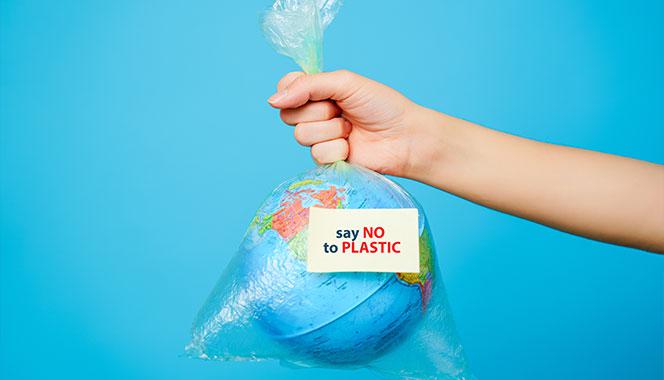
Plastics are everywhere! Look around your home - could you picture your day-to-day life without plastic? Plastics can be used to make anything. They are cheaper than most other materials and convenient.
Yet these benefits have come at a cost
| Our use of plastics is negatively impacting our climate, affecting animals, causing environmental pollution and even changing the way our bodies work by affecting our hormones. |
In this article, discover more about plastics and learn tips on how to make your home plastic-free. Make small changes so your family becomes part of the solution rather than active contributors to plastic pollution!
What are plastics?
Plastics are made from oil or gas. Oil or gas is processed (refined) to make fuel for transport and even LPG for cooking. Through this refining process, ethylene and propylene are removed. These by-products are the building blocks to make plastics. This is one of the main reasons why plastic is so cheap compared to any other material on the planet.
If you really want to learn more about different plastics, you will need to learn the resin codes.
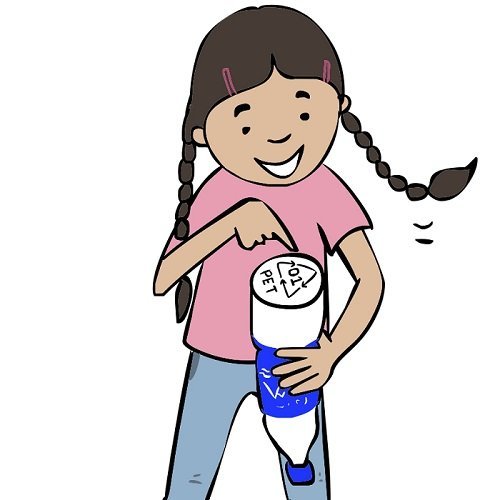
- Resin codes are numbered 1 to 7 and placed in a three chasing arrows triangle.
- They are usually accompanied by an acronym of that plastic-type.
- These almost secret codes are often difficult to find and hidden on the bottom or label of a plastic item.
The unsafe resin codes: avoid #3, #6, and #7
It is important to know that some plastics are safer than others to use. Many of the chemical additives used to produce certain types of plastics are toxic to our health, animals, and the environment.
Resin codes #3 PVC, #6 PS, and #7 OTHER (PC and ABS) are considered unsafe plastics.

The science behind why they are unsafe
BPA and other additives (like phthalates) are Endocrine Disrupting Compounds (EDCs). These influence your body by blocking, copying or stopping the production of hormones. They control the way your cells and organs work. They influence your body, mood, height, weight, and how you develop and grow. Scientists have found that even small amounts of EDCs are bad for your health in the long term.
Tips to make your house free from plastic usage
1. Opt for reusable bags
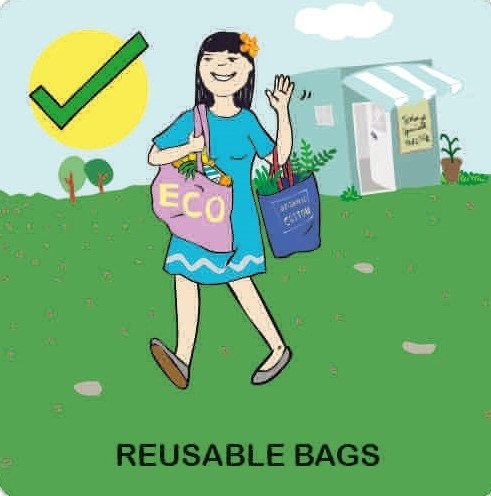
What type of shopping bags do you use at home? The next time a shopkeeper offers you a disposable plastic bag, just say no and bring your reusable cloth or jute bag instead. One reusable bag closes the tap on 700 plastic bags!
2. Use stainless steel and glass water bottles
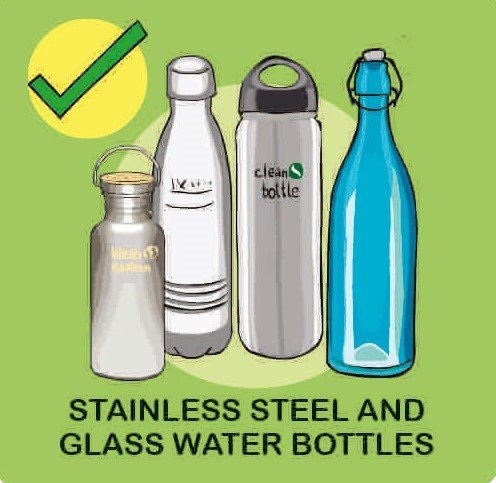
Replace plastic water bottles in your home with stainless steel and glass water bottles. These can be used repeatedly, are safe to use (as they do not have nasty EDCs) and produce less waste.
3. Choose reusable items to have your food
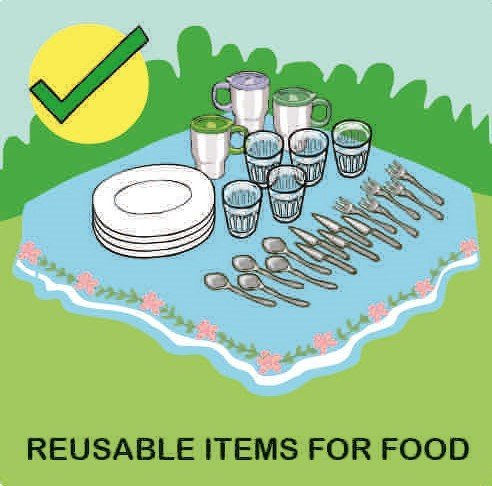
The next time you decide to go on a picnic, celebrate your birthday, or pick up a takeaway meal, choose to reuse. Opt for reusable items (cups, plates, cutlery, straws, and food storage containers) made from stainless steel, glass, or ceramic.

























Comments
Edit
Comment Flag
Cancel Update