
Worried About Bullying? Try These 6 Simple Ways To Bully-Proof Your Child
Aparna Samuel Balasundaram
author parentcircle author parentcircle author parentcircle author parentcircle author parentcircle author parentcircle
Help your child learn how to respond to bullies with assertiveness and confidence
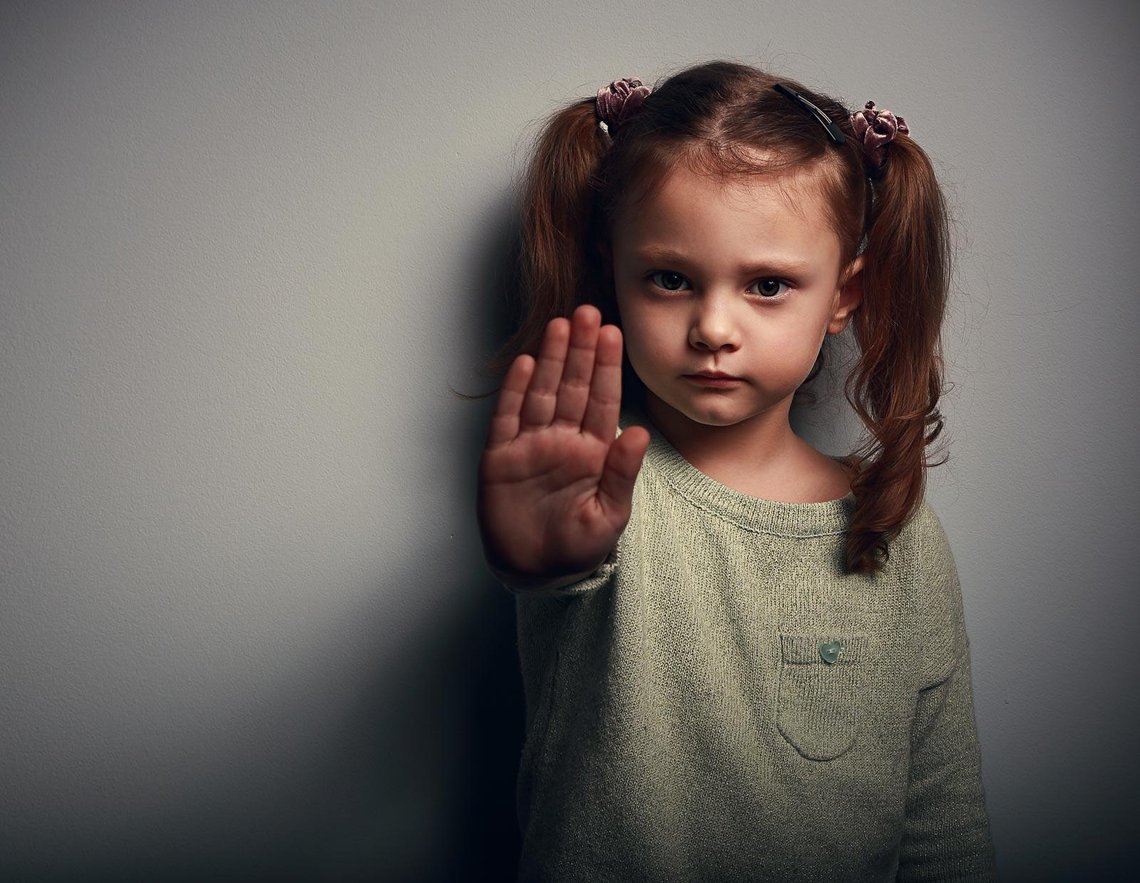
Conflict is a normal part of life. Not all conflict is meant to be hurtful, and coping with such situations can help prepare your child for life in positive ways. Therefore, do not intervene too quickly when you observe conflicts between your child and others. However, there are things that you can do right now to reduce and even eliminate the chances of your child becoming a victim of bullying.
What is bullying?
I want to start here because understanding bullying is an important step to helping your child. According to Allan Beane, PhD (founder of Bully Free Systems) and a well-known educator and expert, the term bullying describes a wide range of behavior that can have an impact on a person's property, body, feelings, relationships, reputation, and social status.
Bullying is a form of overt and aggressive behavior that is intentional, hurtful, and persistent (repeated). Bullied children are teased, harassed, socially rejected, threatened, belittled, and assaulted or attacked (verbally, physically, and psychologically) by one or more individuals.
Technology has unwittingly created a new platform for bullying. It's called cyberbullying. As a result, bullying does not have to be only in person and face to face; it can happen via a text message, tweet, a Facebook post, a photo, or a video that is meant to hurt or embarrass the other person.
Is Your Child Being Bullied?
If your child is being bullied, you will see several warning signs. Pay attention to how your child is sleeping, eating, feeling, and performing at school. If you notice changes in any of these areas, or your child says they are being repeatedly mistreated, physically or verbally, at school or elsewhere, then you need to step in to support your child.
Bully-Proofing Your Child
As a parent, the first thing you need to do is to talk to your child about bullying - what it is, why it happens, and how it takes place. Also, point out the fact that it is real and many children face it. If you have experienced bullying as a child, please share it with your child. At one level, this gives your child hope that they can stand up to bullying, too, just like you did as a child.
Now that you have opened up this discussion at home, here are six important actions you can take right away to bully-proof your child:
1. Help your child build confidence
One of the most effective ways to ward off a bully is to act confident. If a bully sees that it is easy to make a person feel bad, they will keep trying because that's the result they want. But if your child communicates through words, actions, and body language that the bully can't hurt them, most likely the bully will back off. Demonstrate to your child the best way to communicate this confidence by walking with their head held high and their back held straight. Teach them to say things like 'It's my turn now' or 'Hey, stop that!'
I would strongly recommend that you role-play the actions and words you want your child to learn. This will enhance your child's capacity to face the bully as they have already rehearsed and know what to say, and how to say it.
2. Encourage a buddy system
The idea is for your child to avoid being alone in places where a bully may target them. Finding friends to hang out with at school, the bus, or the playground reduces the chances for a bully to isolate your child and torment them. Creating a buddy system will give your child added protection.
3. Empower your child to manage their emotions
Controlling a bully begins with staying calm. If a bully sees your child upset or scared, it will only encourage them to continue because that is just the reaction they want. Teach your child to take deep breaths and say to themself 'I can handle this'. This will help prevent your child from getting angry or wanting to cry.
4. Help your child learn to be assertive
Your child has to learn to stand up for themself, without fighting. The goal is to get the bully to leave your child alone. At the same time, your child's safety is very important. In places where your child feels safe, they can practice one-liners such as 'Leave me alone' or 'Just stop it', and then calmly walk away. Getting into an insult battle or aggravating a bully is just going to make the situation worse. If need be, involve a teacher or another adult in addressing the situation.
5. Engage in group activities
Assist your child in identifying their abilities and interests. Encourage them to join groups or clubs that match their interests—like music, sports, nature, or other hobbies—where they can connect with like-minded peers and build positive friendships.
When children spend time doing something they find rewarding, particularly with peers who appreciate them, they grow up more resilient and confident.
6. Provide a safe and loving home environment
The most important thing you can do to bully-proof your child is to ensure that your home is their place of shelter, physically and emotionally. Keep the lines of communication open and start the dialogue (it shows you care about them) by asking subtle questions such as:
- Do you have any special friends at school? Who are they? Who do you hang out with?
- Who do you sit with at lunch and on the bus?
- Are there any kids at school whom you don't like? Why don't you like them? Do they ever pick on you or leave you out of things?
Pay attention to their answers and how they change over time. As a parent, remember that bullying is preventable. Share that knowledge with your child!
Discover our health and safety program for pre-primary children at The Dot Learning Circle, designed specifically for LKG and UKG students. We focus on building children’s awareness of safety protocols in different situations, understanding personal space and safety, and the importance of getting help when needed. Our engaging curriculum ensures young children learn essential safety skills.


























Comments
Roopa M Jan 23, 2019
Edit
Comment Flag
Cancel Update