
#RaisingBoys: Understanding Your Boy's Needs In His Developmental Years
Kerina De Floras Felix
author parentcircle author parentcircle author parentcircle author parentcircle author parentcircle author parentcircle author parentcircle author parentcircle author parentcircle author parentcircle author parentcircle author parentcircle
Do we know what goes on in the minds of boys? Most of the time we are convinced that boys will be boys, and that’s how far we go when we ponder their behavior

ParentCircle’s #RaisingBoys campaign aims to throw light on the physiological and psychological needs of boys and how truly understanding their needs can help parents raise them to be emotionally intelligent and confident men.
Boys need help to grow up well, as much as girls do. Building their social and emotional skills is equally important. So where do we start? With understanding the different stages of boyhood, a boy’s needs at every stage, and your role at every stage.
The stages of boyhood
Steve Biddulph, author of Raising Boys: Why Boys Are Different and How to Help Them Become Happy and Well-Balanced Men, talks about three important stages in a boy’s life. Biddulph describes these stages as more of a shift in emphasis of the mom and dad roles even as both parents raise their boys. It’s like a parenting waltz where one takes the lead and the other follows, and these roles are interchangeable as parents adapt to changing needs and situations.
Infancy to age 6: Mom is the central figure, and Dad is supportive
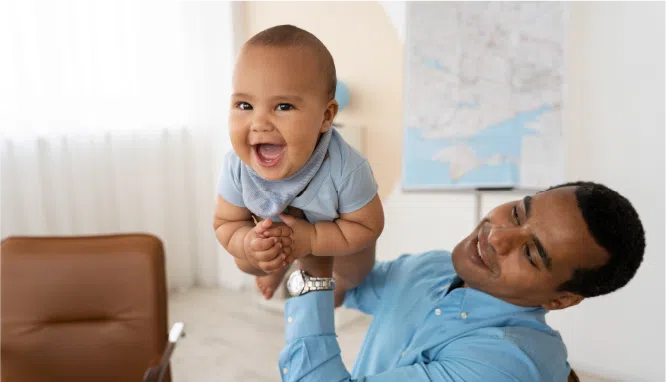
- The mother (or surrogate mother) is the center of a boy’s world, but this does not in any way discount the active and supportive involvement of the father.
- Recent research shows that boys show a slower rate of development of fine motor skills (holding a pencil, drawing, using tools like scissors) and a faster rate of development in their gross motor skills (standing, walking, running, jumping). Studies also show that the high testosterone (male sex hormone) levels in boys when in the womb affect the areas responsible for language and social development in the brain.
What your boy needs
- All he needs is love. The kind of love that makes your boy feel safe and secure so that he experiences warmth and understanding as he discovers his world.
- Typically, boys are allowed more freedom to explore, often without a safety net that holds and comforts them when they get hurt or feel angry, sad, or disappointed. We have been influenced by misguided beliefs that emotions in boys are a sign of weakness.
We recommend
- It’s time now for us to accept that boys need tender loving care to know that the world is a welcome place to be in. And this is most easily demonstrated in the mother-child bonding.
- The back-and-forth interactions between the mother (and caregivers) and the child build a strong parent-child relationship and give the child various experiences that help him discover his world and the people in it. Sometimes mothers unconsciously hold back in responding effusively to their boy infants because of an in-built bias that says boys need tough handling. On the contrary, your boy needs as much tender loving care from you, his mother. Historical, cultural, and genetic evidence points to mothers being the most nurturing adults, but this does not exclude fathers from being equally so.
- In the early years, a boy’s motor skills, language skills, and social skills develop at a slower rate. Boys are likely to become anxious, as parents expect them to demonstrate these skills on par with girls. These developmental processes cannot and should not be hastened. Rather, it calls for their parents’ understanding and patience.
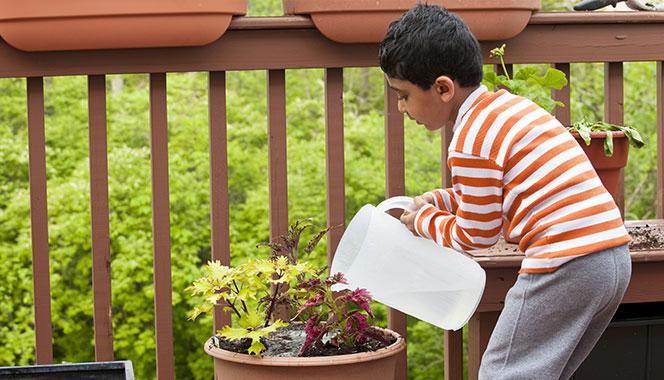
- When young boys start school, they notice that girls are better at writing, crafts and drawing, and might think that school is not for them. This can lead to disinterest in their studies. Engage them in activities that help them develop their fine motor skills, like gardening, playing with sponges and playdough, or building with blocks.
Ages 6 to 14: Being male, being emotionally sensitive
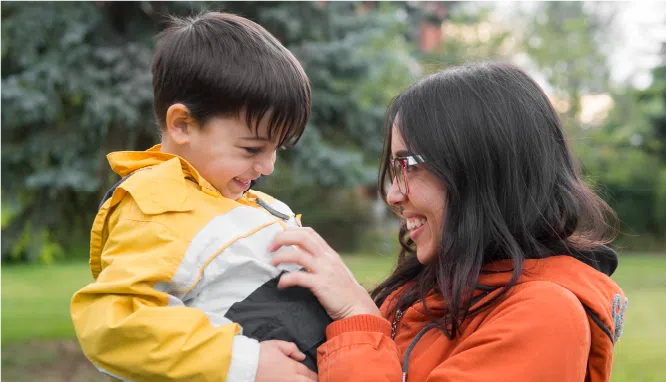
Boys in this age group have less serotonin (a chemical that carries messages between nerve cells in the brain and target cells in the rest of the body) than girls. Commonly known as the “happy hormone,” serotonin is responsible for regulating emotions and staying focused, happy, and calm. Lower serotonin levels can make your little boy seem impulsive or aggressive, demanding your attention by wrestling or punching. Boys who are unsure of how to express their emotions might show anger, frustration, or anxiety.
Two critical changes occur at this stage:
- Boys experience a growing sense of being male and heightened emotional sensitivity around age 8.
- Boys begin to feel comfortable with themselves and accept their maleness. Their instincts drive them to learn more about being male as they realize that they will grow into men.
What your boy needs
- As your boy becomes interested in exploring and learning how to be male, he will look up to his dad (or surrogate dad) as his role model. He needs to spend more time with his dad so he can observe and emulate his mannerisms, and his style of interaction with people.
- As parents, you must learn to accept your boy’s heightened emotional sensitivity as normal. Only then will you be able to support him through his emotional outbursts with patience and understanding.
We recommend
- As a dad, spend a lot of time with your boy so that he sees firsthand how you conduct yourself with people and handle situations. Hanging out with you gives him ideas about the kind of person he would like to become.
- Model the skills you want your boy to acquire as a man, and do remember that he needs to see behaviors that are free of social biases, and gender stereotypes. Instead, demonstrate proactive social skills and emotional regulation.
- Know that your boy’s lack of emotional control is not deliberate but a natural phenomenon of the stage he is in—that he can’t help but cry for the slightest reasons, worry deeply over something, be unforgiving of himself when he makes mistakes, and put himself down. This onslaught of emotional turbulence makes you wonder what happened to your delightful boy.
- Show your boy boundaries so he learns when to stop. Playtime with you can help your boy learn this lesson. When you play-wrestle or compete in a sport with your boy and he becomes angry, frustrated, or tired, he might lose his temper and start kicking, punching, or throwing things. Take this opportunity to tell him clearly and firmly, “Stop. We can’t play this game if someone is going to get hurt. No kicking or throwing things. Can you handle it?”
- This will help him learn self-control, show him that he can have fun and he will know where to draw a line. This is an important skill he will apply in his relationships.
- Model how you express your emotions. Tell him how you feel when you have a bad day at work or when your team wins a match. If you want him to talk to you, talk to him first. This will help him understand that he doesn’t have to feel isolated or hide his feelings. Be responsive to your boy’s smiles and frowns. The attention gives him a sense of love and belonging.
- Show your boy how you manage your feelings, especially when you are sad, angry, and scared. For too long boys have been made to believe that these are “girlie” emotions. And even though your boy receives this strong message from his environment, what you demonstrate to him is impactful because of his strong urge to be like you, his dad. And when he does feel confused he will look to you to help clear his mind.
- Avoid hiding or replacing your difficult emotions with anger. For example, when your boy misplaces your phone, you can say, “I’m worried. My phone has important contacts and work-related documents,” instead of shouting at him and running the risk of rupturing your relationship.
- Respond to your boy’s feelings with empathy: “It’s okay to cry. Your leg must be hurting a lot” or “You’re feeling sad that your friend pushed you.” A comforting response would be to hold your boy or sit beside him till the emotions in him subside. You are helping him build a loving, warm, kind, and caring character blueprint every time he experiences these qualities.
- Be self-aware. Do you give your boy a safe space to express his emotions? Do you expect him to adhere to gender stereotypes like “Boys don’t cry” or “Boys don’t play with dolls”? Instead, let him know it’s okay to cry and to play with anything that holds his interest.
- When your boy misbehaves, help him process his feelings—ask him what feelings provoked him. Give straightforward, clear feedback. You can say, “You threw a stone while playing in the park. It could have hurt someone,” instead of “I can’t believe you did that! You never listen to me.”
- Understand that your boy’s occasional aggression may be a way to express his needs. Ask, “Are you hungry?” or “Do you feel bored? Do you want to play a game?”
- Nurture your boy’s feelings and emotions. Tell him that it’s normal to feel love, happiness, sadness, or vulnerability. Encourage reflective communication—speak to him in an open, honest way. Talk about your feelings, emotions, difficulties, and achievements. This will develop a trusting relationship and encourage your boy to share his feelings with you.
- Be specific about boundaries and limits to behavior while being affectionate and warm. For example, when your boy hits or shouts in frustration, you can say, “We don’t hit others. We are kind and don’t hurt people with our actions or words.”
- As a working dad, you will most likely be in the sprint phase of your career where every opportunity matters, and effort and achievement are driving you toward success. Finding the time to spend with your boy may pose a challenge and will require a concerted effort from you to make it happen. Your companionship is vital to nourishing his identity.
Age 14 to adulthood: The journey toward manhood

At this stage, your boy is undergoing tremendous physical, social, emotional, and cognitive changes prompted by major structural changes in his brain. From self-discovery and exploring new relationships and abilities to building future career and personal plans, your boy is going through one of the most exciting yet challenging phases of life.
What your boy needs
- As his dad, you will continue to be the anchor and role model to your boy, but he will now need other mentors (both men and women) to help him manage the upsides and downsides of the changes he is experiencing. Mentors will help expand your boy’s exposure to the world, and introduce him to new perspectives and ideas. He will identify people who can show him beyond, build his skills, and further his goals.
- At this age, your boy needs clearly defined boundaries, and nonjudgmental responses from you. He wants you to be involved but without the pestering or the nagging. He craves independence but also wants you to be there when he reaches out for help.
We recommend
- As parents, give your boy opportunities to meet other male and female adults, under your guidance. The more people he meets, he will have a broad range of mentors to choose from.
- Let him accompany you, his dad, on some of your buddy trips, introduce him to a few colleagues at work, let him spend time with older cousins and uncles, and talk to male family friends.
- Your boy will rely heavily on friends. Interacting regularly with mentors can help reduce an unhealthy overdependence on friends.
- Your boy may not always listen to you, so he needs a mentor who can guide him, who lets him make mistakes and learn from them.
- Your boy is growing up fast and his testosterone levels are higher by almost 800%! This means that he has sudden growth spurts, and he is restless, argumentative, and impulsive. Problems can occur because he thinks he is ready to be an adult while you treat him like a child.
- As your boy starts to try out new things and learns to do things on his own, you need to take a step back and give him the independence he craves.
- The balance will tilt often, and you will learn as you go along. Some days will be good and others may seem hopeless, but never give up on your boy.
- Understand that your argumentative and seemingly reckless boy may in reality be under stress due to hormonal changes, peer pressure, body image, independence, or identity issues. Guide him calmly through arguments. For example, you can say, “You missed the test because you were late to school. Will it help to set an alarm for an earlier time?” instead of “Why can’t you ever get to school on time?”
- Your boy may display “tough guy” behavior to show his dominance. Show him examples of men or characters from movies who are caring and compassionate. Remind him that although anger and frustration are normal, he can’t show them in ways that threaten or disturb others.
- Your boy is forging his identity. This is an important part of becoming a man. Sometimes he may even look for mentors other than you. Don’t feel rejected by his decision to do so.
- Your boy may believe that arguing is a way to make his ideas heard. Don’t take it personally when he argues or disagrees with his parents—you and your spouse. Show him how to communicate his ideas without attitude. Urge him to say, “I have an idea to make this even better. Can I share it with you?” instead of “My idea is way better than yours!”
- Talk explicitly about consent. Remind your boy to respect and accept others’ decisions without feeling hatred toward them. Help him be straightforward: “I like you. Can we be friends? Would you like to go out with me sometime?” Whatever the other person’s response is, urge your son to respect it. If the person is not interested, he can say, “That’s okay. Thank you for letting me know.”
- As parents, model a healthy relationship. Be respectful to your partner, and show effort and appreciation. Show your boy that it’s okay if you and your partner disagree on something and let him see how you resolve your differences respectfully.
A boy’s relationship with his mother remains important—he needs to know she will reciprocate his love and warmth, even when he has grown up. Raising boys and girls may look very different, but all children need to be raised as respectful, kind, loving individuals. As parents, build an open nonjudgmental environment that is free of stereotypes. Here’s to parenting your boy in a positive, gentle way!
How to help your boy be more expressive and regulate his emotions
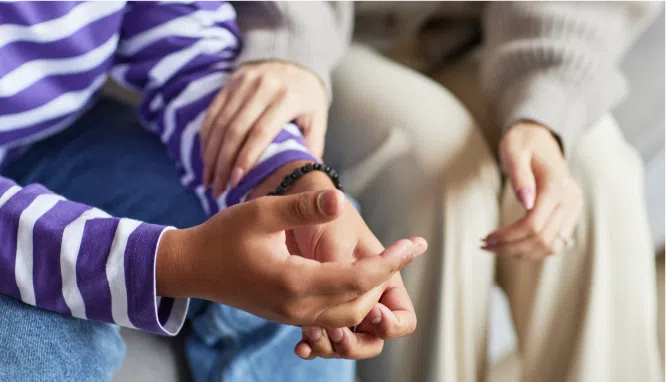
When your boy can understand and express his emotions freely, he will be able to behave respectfully without hurting others, control his impulses, and bounce back after feeling strong emotions like disappointment, sadness, or excitement. Here’s how you can help your boy be more expressive of his thoughts and feelings.
Ages 0 to 3
- When you see your child showing a particular emotion, name it and talk about it to him: “You’re crying. You’re sad because your friend is leaving town” or “You have a big smile on your face. You’re happy to visit grandma.”
- Name the emotion when someone else is expressing it as well: “Karen is happy because she won the first prize in the 100-meter race.” Ask your son to look around and see what emotions other people are expressing.
- Young children find it difficult to handle “big emotions” like anger, disappointment, or embarrassment. Help your boy by taking him to a safe place, hugging him, or holding him till he calms down. After he has calmed down, reassure him that you understand how he feels: “I know you’re angry that I didn’t get you the chocolate pastry. You already had dessert today, so you can’t have one more.” Urge him to talk about how he felt when he was angry.
Ages 4 to 8
- Help your child practice recognizing and naming feelings or emotions through activities like playing or reading.
- Show how characters in books or plays express emotions: “Deepika has a big frown on her face. She looks sad.”
- Help him recognize the physical signs: “You look excited (or nervous). Do you feel butterflies in your tummy?”
- Remind him that shouting or hitting isn’t good behavior when he feels upset or angry.
- Help him handle the big emotions with simple strategies. For example, you can ask him to count to 10 and take deep breaths when he is angry, clap his hands when excited, ask for a hug when sad, or punch a pillow when disappointed.
Ages 9 to 16
- Your preteen or teen may know the feeling words but might not always recognize the emotion they are going through.
- When you see emotions building up, help your boy be aware of what he is experiencing: “You seem to be slamming the books on your desk. Do you want to step out for some fresh air?”
- Talk to him about the physical signs related to emotions: “My heart races and I start sweating when I feel very anxious about something. Do you feel that way when you’re frustrated or anxious?”
- Tell him what you do to handle big emotions: “When I feel upset that I couldn’t complete my work on time, I think about the things I have done well before. It helps me feel better. Will that work for you?” Then ask him to talk about the good things he has done.
Tips to help your boy beat stereotypesBattling gender stereotypes, pressures in school, and relationships can be difficult for children. “Being tough” is a common stereotype thrust on boys that often puts them under a lot of pressure. Others include “being funny” or “being good-looking.” Here’s how you help your son overcome these societal stereotypes. 1. Urge him to challenge stereotypes when he hears them Tell your boy he can ask or say things like, “Why can’t a boy wear pink?” or “It’s okay for a boy to cry when he feels upset” or “Why can’t boys cook? My dad does” when he hears stereotypical comments about how boys must be. 2. Create a safe space to help him explore his choices Support your son in his choices—whether he wants to dress up as a princess or wants to play with dolls. 3. Use counter-stereotyping At home, practice saying “Boys like dolls too” or “Fathers are good at taking care of babies too” or “Boys look good in pink” to counter the effect of stereotypes. 4. Allow him to experiment with nontraditional roles As they say, learning begins at home. Let your son do chores, help you cook, and do the laundry, while also learning how to replace bulbs or work in the garden. |
14-year-old Tanmay Balaji talks about what it means to ‘be a boy’
'Being a boy' when you are at home or with your friends
"Being a boy? When I’m with my family it means being the person who I am—loud, funny, joyful, and always there to help when someone needs help with carrying something. When I’m around my friends, I don’t feel any different, as most of them are boys."
Stereotypes about boys that you hate and why
"One thing annoys me—people assume that only boys are good at sports. Why can’t girls be good at it too?"
Topics you find comfortable talking with friends but not your parents
"I find it easier talking to my friends about football because my parents don’t usually watch sports. My friends watch football regularly, so they are up to date with whatever is happening."
Opinion on whether your sister must do things differently because she is a girl
"I don’t expect my sister to do things differently because she is a girl. It’s probably because she is older, and I do most of the things she did."
Things you have gotten away with because you are a boy
"One thing that happens in my school a lot is that the boys get to talk to the seniors and hang out with them. But the teachers in our school don’t like it when girls do the same."































Comments
Edit
Comment Flag
Cancel Update