
Dengue In Children: Symptoms, Warning Signs, Treatment And Prevention Tips For Parents
Team ParentCircle
Dengue can affect children in many parts of India. Learn the symptoms to watch for, warning signs that need medical attention, how dengue is managed, and simple ways to protect your child from mosquito bites
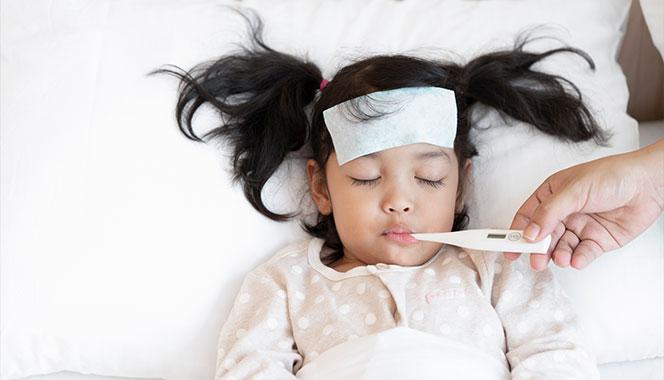
Dengue is a viral infection spread by the bite of an infected Aedes mosquito. It is common in tropical and subtropical regions, including India. Many dengue infections are mild or cause no symptoms, but some can progress to severe dengue and require hospital care. (World Health Organization)
Dengue transmission can increase during the rains and higher humidity, but infection can occur whenever mosquitoes are active. Knowing the symptoms and warning signs can help parents seek timely medical care.
What is dengue?
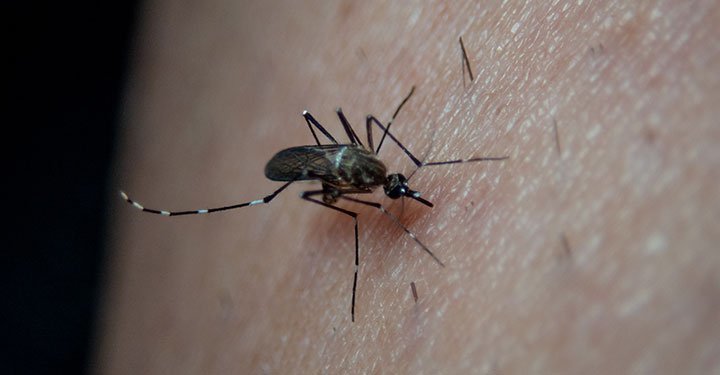
Dengue is caused by the dengue virus (DENV). It is mainly spread by the bite of an infected female Aedes aegypti mosquito; Aedes albopictus can also transmit the virus. These mosquitoes commonly breed in water-holding containers in and around homes.
Unlike mosquitoes that are mainly active at night, Aedes mosquitoes are active during the day, with biting often in the morning and before dusk. This makes daytime protection important too. (World Health Organization)
Dengue is not spread directly from one person to another through ordinary contact. However, a mosquito can become infected after biting a person with dengue and then transmit the virus when it bites another person. (World Health Organization)
Can a child get dengue more than once?
Yes. There are four dengue viruses. A child can get dengue again from a different type, and the second infection may carry a higher risk of severe illness. (World Health Organization)
What are the symptoms of dengue in children?
Symptoms usually begin 4–10 days after infection and last 2–7 days. (World Health Organization)
- Fever
- Headache
- Pain behind the eyes
- Muscle and joint aches
- Nausea or vomiting
- Rash
- Tiredness or weakness
- Loss of appetite
In younger children, dengue may initially look like other common childhood infections. Because several illnesses can cause similar symptoms, a doctor may recommend examination and testing based on the child's symptoms and the local situation. (World Health Organization)
Understand the three phases of dengue
Dengue typically progresses through three phases:
1. Febrile phase: Fever with aches, nausea, vomiting, or rash (2–7 days).
2. Critical phase: May occur as fever comes down (days 3–7). Warning signs can appear here.
3. Recovery phase: Appetite and well-being return; the body reabsorbs fluid. (Vector Borne Diseases Control)
When to seek medical help?
Consult your doctor if your child has symptoms that could be dengue.
Do not wait for platelet counts to drop before seeking care.
Your child's symptoms, hydration, circulation, and overall clinical condition are important in assessing dengue. (Vector Borne Diseases Control)
Seek urgent care if warning signs appear:
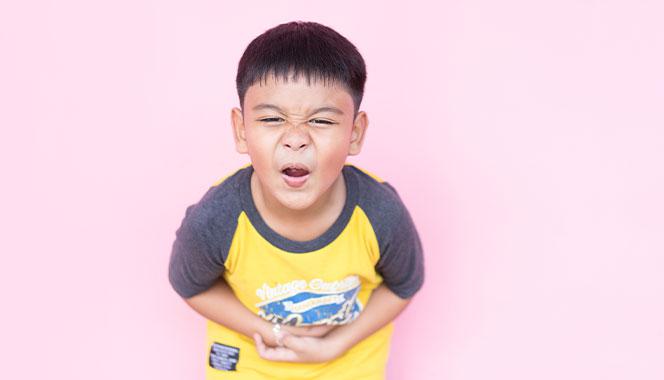
- Severe abdominal pain
- Persistent vomiting
- Bleeding (nose, gums, vomit, stools)
- Rapid or difficult breathing
- Extreme tiredness, unusual sleepiness, restlessness or irritability
- Very little urine
- Marked thirst or signs of dehydration
- Pale, cold or clammy skin
- Dizziness, fainting
- Seizures or altered consciousness
These warning signs can appear when the fever subsides and may indicate progression to severe dengue. A child with such symptoms needs prompt medical assessment. (World Health Organization)
How is dengue treated in children?
There is no specific antiviral medicine for dengue. Care is supportive.
Plenty of oral fluids
Rest
Paracetamol (doctor-advised dose)
Regular follow-up
Avoid aspirin and ibuprofen unless prescribed, as they increase bleeding risk. (Vector Borne Diseases Control)
Does every child with dengue need IV fluids?
Not every child needs IV fluids. Oral fluids are enough if the child can drink and has no warning signs. IV fluids are for dehydration, warning signs, or severe dengue.
Monitor fluid intake carefully because excess fluid can itself cause complications. (Vector Borne Diseases Control)
Does a low platelet count mean my child needs a platelet transfusion?
A low platelet count alone does not mean transfusion is needed. Doctors decide based on overall health and whether there is active bleeding.
What happens in severe dengue?
Severe dengue can cause:
Fluid leakage, which may lead to shock or swelling
Heavy bleeding
Serious organ problems (liver, brain, heart)
Children with severe dengue need hospital care. Treatments like IV fluids, oxygen, or blood transfusions are hospital-based and not for home care.
How can you protect your child from dengue?
Mosquitoes bite during the day, so protect during the day too.
Reduce breeding: empty/cover water containers; check plant trays, tyres, bottles; dispose of waste.
Protect from bites: long clothing, screens, repellents (DEET/picaridin/IR3535), nets, insecticide products.
Do not use kerosene in household water containers as a home remedy for mosquito control. Use appropriate public-health or pest-control measures instead.
Work with your housing community or neighbourhood to eliminate breeding sites.
Is there a dengue vaccine?
WHO recommends TAK-003 (Qdenga) for children 6–16 years in high-risk areas, two doses, three months apart.
- It is not advised for children under 6 years or in places where dengue is less common.
- The vaccine does not prevent every infection.
- In India, the health authority (CDSCO) has listed the Takeda dengue vaccine, expected to be available from July 2026.
Whether the vaccine is right for a child depends on age, local dengue risk, and health history. Parents should discuss with their doctor before deciding.
Quick facts for parents:
Dengue can happen more than once.
Three phases: febrile, critical, recovery.
Warning signs often appear when fever settles (3-7days).
Common symptoms include fever, headache, aches, nausea, vomiting, rash, tiredness.
Home care: fluids, rest, paracetamol, follow-up.
Avoid aspirin/ibuprofen unless advised by a doctor.
Seek urgent care if warning signs appear.
Mosquitoes bite during the day.
Prevention: eliminate breeding sites.
Parent checklist: If your child has dengue
- Encourage your child to drink adequate fluids.
- Give paracetamol only as advised by your doctor.
- Avoid aspirin and ibuprofen unless your doctor specifically recommends them.
- Follow the doctor's advice about check-ups and blood tests.
- Keep watching your child even when the fever begins to come down.
- Look out for warning signs such as persistent vomiting, severe abdominal pain, bleeding, unusual sleepiness or restlessness, rapid breathing, or very little urine.
- Seek urgent medical care if warning signs appear.
- Protect your ill child from mosquito bites to reduce the chances of mosquitoes picking up the virus and transmitting it to others.
- Regularly check your home and surroundings for water-holding containers where mosquitoes can breed.
A note for parents
Dengue can feel worrisome, but most infections are mild, and children recover well.
What matters most is watching for changes in your child’s illness and seeking medical help quickly if warning signs appear.
If your child has a fever or symptoms that could be dengue, consult a doctor. This article is intended for general information and does not replace medical evaluation, diagnosis, or treatment.
Last updated on: September 18, 2026
























Comments
Tanmay Mazumder Aug 2, 2022
Simi Ramesh Sep 26, 2019
Edit
Comment Flag
Cancel Update