
How To Prevent Mosquito Bites And How To Treat A Mosquito Bite
Shirley Johanna
Not only do mosquitoes bite, they also spread diseases. So, prevent mosquito bites to avoid mosquito-borne diseases like malaria, dengue and chikungunya.
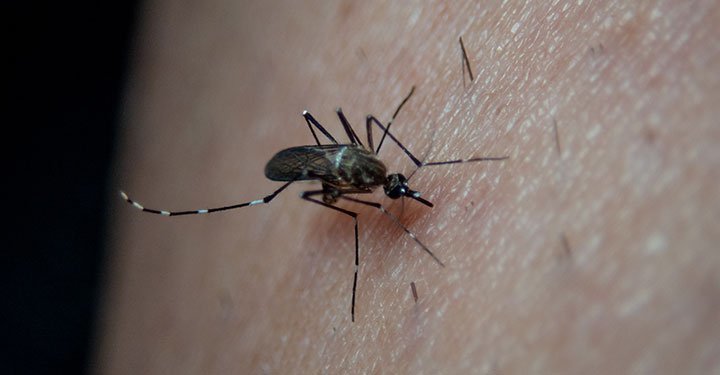
Whenever you send your child to play outdoors, what concerns you the most is the possibility of his falling sick from mosquito bites. But, the danger isn't limited to outdoors; for, these pesky insects invade your living spaces too.
Mosquito bites itch a little, but what is worrisome is the possibility of falling prey to diseases such as malaria, dengue, encephalitis, filariasis, chikungunya and Zika.
As parents, it is our responsibility to protect our children from these dreadful diseases. So, let's look more closely at the mosquito and its biting habits.
The mighty mosquito
There are over 3,500 species of mosquitoes. All mosquitoes have a long, pointed mouth part called a proboscis. They use the proboscis to pierce the skin and suck blood. However, only female mosquitoes bite humans, because they need blood to produce eggs.
Studies have shown that mosquitoes are attracted more towards certain individuals compared to others. This preference is influenced by factors such as blood type, body temperature, body odour (sweat, lactic acid), carbon dioxide emission, skin bacteria, perfume and colour of clothing.
Symptoms of a mosquito bite
A mosquito bite typically manifests as a round, red bump on the skin shortly after an individual has been bitten. Usually, the bump subsides on its own. Sometimes, there could be swelling, soreness and redness. Other symptoms of a mosquito bite include dark spots that resemble bruising, and small blisters instead of hard bumps.
Children and those with weak immune systems experience severe reactions, such as low-grade fever, hives and swollen lymph nodes.
A mosquito bite causes itching due to inflammation of the skin. Scratching the area of a mosquito bite can make the itching worse. If the skin breaks due to excessive scratching, the area can become infected and take longer to heal.
Why a mosquito bite is harmful
Along with healthy individuals, mosquitoes also bite those who are sick and even animals. So, they carry various viruses and parasites. While biting, a mosquito transfers the virus or parasite it is carrying to the individual. So, the most dangerous outcome of a mosquito bite is not the itch but being affected by any of the mosquito-borne diseases.
Here are some diseases and the type of mosquitoes they are transmitted by:
Vector-borne diseases and their causative agent (type of mosquito)
Malaria - Female Anopheles mosquito (Plasmodium falciparum, Plasmodium vivax)
Dengue fever - Aedes aegypti and Aedes albopictus
Zika virus - Aedes aegypti
West Nile virus - Culex and Culiseta
Yellow fever - Aedes aegypti
Anopheles mosquitoes - These are responsible for transmitting malaria. They commonly bite during the night.
Aedes mosquitoes - These are active during the day and are responsible for spreading chikungunya and dengue. They typically breed in water accumulated in discarded tyres, cans, containers and flower vases.
Culex mosquitoes - These mosquitoes breed in polluted, stagnant water. They bite at night and are transmitters of Japanese B encephalitis.
However, by taking a few precautions, you can keep yourself safe from mosquito bites and the diseases they spread.
How to prevent mosquito bite outdoors:
- Wear protective clothing: Whenever you go outdoors, wear trousers, long-sleeved tops, shirts or dresses, socks and shoes. Dress very young children in full-sleeved, whole-body suits or 'grow suits'.
- Use mosquito repellent fabric sprays: Use them on clothing, shoes, tents and nets. But, ensure that you don't let these sprays come into direct contact with your skin.
- Use a topical insect repellent: When you know that you stand a good chance of being bitten, apply an insect repellent on exposed areas of your body. Products containing one of these ingredients - DEET, IR3535, picaridin, para-menthane-diol or lemon eucalyptus oil - are considered effective. However, take care to choose a branded, registered insect repellent, as only these have been certified as safe.
CAUTION: Do not use insect repellents on babies under two months old. Also, do not apply insect repellent directly on cuts, rashes, wounds or areas of sunburn.
How to prevent mosquito bite indoors
If you know how to get rid of mosquitoes inside the house and prevent them from coming in, you can be free of mosquito bites. Here are a few tips:
- Prevent mosquito breeding: Make sure you get rid of stagnant water in and around your house. Discarded tyres, unused flowerpots, buckets, stagnant gutters, pet water bowls and birdbaths are places where rainwater usually collects. These become breeding sites for mosquitoes. By eliminating these breeding sites, you can bring down the mosquito population considerably.
- Use screens and nets: Mosquito-proof your home by installing nets and screens on windows and doors. Together with these, at night, you can also use mosquito nets pre-treated with insecticides.
- Install mosquito control devices: Install mosquito control devices that use light, heat and gas emissions to trap mosquitoes. Use plug-in mosquito repellent devices instead of coils and mats.
- Use topical mosquito repellents: The same chemical-based insect repellent creams and sprays that you use outdoors can be used to prevent mosquito bites inside the house too.
- Use natural repellents: There are various organic or natural products that protect you from mosquito bites. Here are a few:
- Camphor- This is a natural repellent that can help you get rid of mosquitoes inside the house. Light some camphor after closing the doors and windows to ensure the fumes fill the house.
- Peppermint oil - It is a natural insecticide that can repel mosquitoes. Mix a few drops of peppermint oil with a carrier oil and rub it on your skin.
- Lavender spray - Make a body spray with essential lavender oil and water. Spray all around the house to keep mosquitoes at bay.
- Oil of fennel, thyme, neem and clove - These are natural repellents to get rid of mosquitoes, and thus, mosquito bites.
How to treat a mosquito bite
Despite your best efforts, if you do get bitten by mosquitoes, here are a few things you can do:
- Steroid cream: Apply 1% hydrocortisone cream on the bumps to reduce the itching. It can be applied three times a day. If you do not have a steroid cream, a paste made of baking soda and water is an equally effective alternative.
- Medication: If you or your child develop severe reactions to mosquito bites, an over-the-counter antihistamine could help. If the problem persists, consult a doctor.
- Calamine lotion: This is a mild topical anaesthetic that may help soothe the itching and reduce inflammation. If you do not have calamine lotion handy, apply honey instead. It will also prevent infection.
- Aloe vera: Apply aloe vera gel to reduce inflammation and itching.
- Cold pack: Apply a cold compress or ice pack on the area of the mosquito bite.
Mosquito bites usually heal quickly. However, the itching, and sometimes pain, that they cause can be quite distressing, especially for young children. And, the greater danger of contracting a vector-borne disease is always present.
So, the best thing to do is to prevent mosquito bites. And, this is easiest done by keeping your premises and the environment clean to get rid of mosquitoes.

























Comments
Edit
Comment Flag
Cancel Update