author parentcircle author parentcircle author parentcircle author parentcircle author parentcircle author parentcircle
Is your child overweight? If so, his bones may be getting affected. Read on to find out how obesity affects bone health, and how you can keep your child fit.
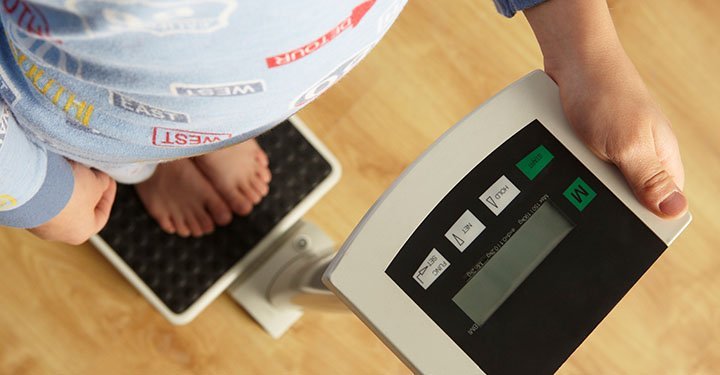
Obesity in children is a big problem in the 21st Century, simply because today there are three times more obese children than in the 1990s. As doctors, we see heart attacks, strokes, diabetes, osteoarthritis, high blood pressure, osteoporosis and depression affecting young patients due to obesity. Such children also run an increased risk of certain cancers, liver and gallbladder disorders, sleep apnoea and COPD (Chronic Obstructive Pulmonary Disease) in adulthood.
Changes in lifestyle and dietary trends are the principal reasons for increasing childhood obesity. Overeating and insufficient exercise cause weight gain. Preoccupation with the Internet, including accessing social media on smartphones, television and video games all rob time from the playground. Intense academic competition demands that children spend the greater part of their growing age at desks in school, at tuition centres and doing their homework.
The consequent lack of regular physical activity not only adds a lot of weight but weakens muscles and bones too. During the growing phase, children accumulate a lot of fat, and the lack of activity will lead to this fat being deposited within the muscles. There is emerging evidence that suggests that such fat may have an effect on how the bones grow. A study by researchers at the University of Georgia, which was published in the journal Current Opinion in Endocrinology, Diabetes and Obesity, revealed that excess body fat in children may compromise other functions in their bodies, such as bone growth.
Less commonly, metabolic and hormonal diseases can be to blame for childhood obesity. Disorders which were previously rare, such as congenital leptin deficiency, thyroid disorders, growth hormone deficiency, hyperinsulinemia and early onset of diabetes, are now being diagnosed increasingly. Obese children are twice as likely to need to seek specialists' help for musculoskeletal complaints. In the event of a surgery, complications are more likely in such kids. Slipped Capital Femoral Epyphysis (a paediatric and adolescent hip disorder) and Blount's Disease (a growth disorder affecting the legs) are a lot more common in these children.

Considerable research is underway to improve our understanding of the problem of obesity. The American Heart Association guidelines (2015) for children aged 4-18 years state that only 30 per cent of their calorie intake should be through dietary fat. It must come from fish, nuts and vegetable oils, among other sources.
As a normal part of the bone-recycling process, calcium and other minerals are broken down and released into the bloodstream. These minerals are filtered through the kidneys and lost through the urine. Minimising this loss is a smart strategy for protecting bones.
How you can boost your child's bone health:
Apart from a nutritious diet, encourage outdoor activities instead of computer games. Take your kids to the park instead of malls, and on mini-treks instead of to movie theatres.
The easiest way to prevent obesity-related complications in your child is to ensure that she gets a proper diet and sufficient exercise to remain healthy.
*Dr Manan Gujarathi is an Orthopedic surgeon.
Looking for expert tips and interesting articles on parenting? Subscribe now to our magazine. Connect with us on Facebook | Twitter | Instagram | YouTube
Comments
Standard Cold Pressed Oil Jun 26, 2019
Edit
Comment Flag
Cancel Update