
Have A Child At Home? Watch Out For These 10 Unusual Child Safety Hazards
Sahana Charan
Children can get injured in the most unlikely circumstances and parents need to be aware of the dangers lurking in unsafe corners. Here, we have listed some not-so-common hazards to look out for
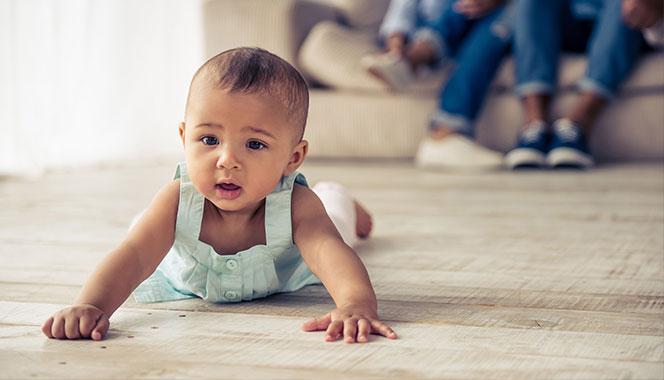
As parents, we do all we can to ensure that our little ones are secure and protected from the perils of injury. We take measures both at home and outdoors to safeguard our kids from hurting themselves. But sometimes, it's impossible to pre-empt what can cause an unexpected injury.
According to UNICEF and the World Health Organisation, childhood injury is a leading cause of death among children under the age of 18 years, worldwide. Unintentional injuries account for 90% of such cases in children aged between 0-14 years. Drowning, road accidents, burns, falls, poisoning are the most common unintentional injuries. What's scary is that many of these accidents happen in the confines of our homes, where we feel children are the safest. However, it's possible to prevent such hazards with some forethought and simple measures.
Apart from the more common causes of injury, there are some unusual hazards that children may be exposed to, which many of us often ignore. Read on to find out what these hazards are:
1. Getting injured by washing machines/microwave ovens
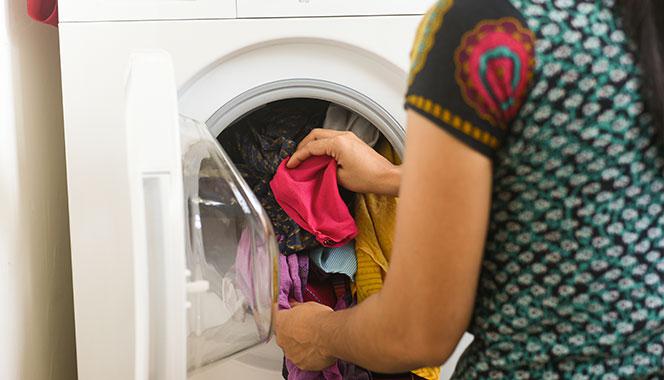
Having a toddler or preschooler at home means you have to be careful about keeping them away from the washing machine or microwave ovens. There is a risk of the child getting burnt or suffering fractures while trying to explore a machine while it is on. Microwave ovens can get really hot, which can cause serious burns, if you leave your little one unattended near microwave and they open the appliance door.
| What you can do |
|
2. Choking on toys/household Items
Babies and toddlers love exploring and often have the habit of putting objects, which they find on the floor, into their mouths. It is their way of finding out the texture and taste of different things. While this activity is absolutely normal, it puts them at risk of choking or poisoning. Parents and caregivers need to always be alert to small toys and regular items around the house, within the little ones' reach, which can pose a safety hazard. Plastic labels, stickers on playthings, and other household items such as uninflated balloons, coins, pen caps, screws, watch batteries, jewelry, and small foam toys can all be a choking hazard.
| What you can do |
|
3. Falling objects
Often children get injured at home by falling objects, which have not been properly stored. Heavy objects such as appliances or pots, kept at a height, can tip over and fall on your little one, causing grievous injury. As children grow older, they are also curious to examine and explore objects inside their homes, so make sure that household items are put away neatly and safely. Wobbly furniture, rickety wardrobes and cupboards, and a heavy household item that has a tendency to topple over should be avoided in a home with small children. If kids are tempted to shake or climb any of these objects they can get badly hurt from a fall.
| What you can do |
|
4. Getting suffocated
Since infants are not able to raise their heads and cant move freely, they are at greater risk of sudden infant death syndrome (SIDS). This happens when a child is not able to breathe because of blockage of the air passage when her nose and mouth get covered. Loose blankets, pillows, stuffed toys, rugs, and any soft bedding or clothing can be the cause. Toddlers and preschoolers are also vulnerable to suffocation when they accidentally stuff constricting objects such as soft toys and plastic bags into their mouths or get trapped in toy chests, trunks, cloth baskets, and so on.
| What you can do |
|
5. Getting trapped in a car
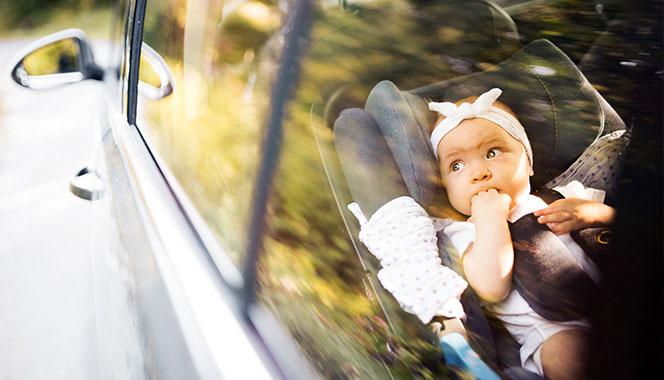
When going shopping for groceries with your child, they may throw a tantrum when you reach the store and you may be tempted to leave them inside the locked car, while you make the purchases. While this can happen with many parents, leaving a child in a car alone is not a good idea. There is a risk of the child being affected by heatstroke and this can be fatal. Sometimes in a hurry, a parent might forget their child inside the car or allow children to play in the vehicle.
According to an article on car safety measures in www.seattlechildrens.org, the temperature inside a car can increase 20 degrees in just 10 minutes and it doesn't have to feel hot outside to be dangerous inside a car. Moreover, the body temperature of a child rises three to five times faster than adults.
| What you can do |
|
6. Tripping over wires/door stoppers
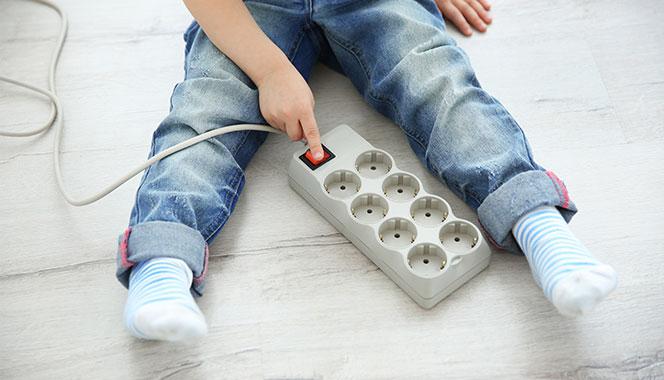
While this sounds unusual, both adults and children are at risk of serious injuries caused by tripping and falling indoors. Door stoppers and loose wires from television, music players, and other electronic equipment are the biggest culprits. Toddlers, preschoolers, and even older children can suffer major injuries from such falls. Other reasons for tripping and falling include cluttered or wet floors.
| What you can do |
|
7. Eating medicines by mistake
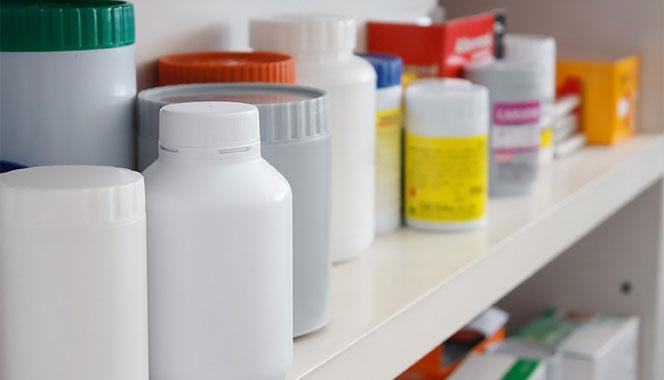
Children are naturally curious about what lies inside a box or in a handbag. Since babies and toddlers put things in their mouths to explore the taste and texture of various things, keeping medications and other potentially poisonous items lying around in the house is not a good idea. They may be curious to open medicine boxes or your handbag, which may contain medications among other things. Swallowing prescription medication can cause mild to severe symptoms in children including sleepiness, difficulty in breathing, seizures, and unconsciousness.
| What you can do |
|
Other hazards to look out for:
8. Getting singed from lit incense sticks
9. Drowning in a water-filled tub/bucket
10. Choking on plastic bags
Ensure your child's well-being with our specialized health and safety program for kindergarten at The Dot Learning Circle. The program helps children learn healthy personal hygiene habits that keep them safe at school and home.




















Comments
Edit
Comment Flag
Cancel Update