
Raising Children to Respect Relationships in the Age of Social Media
Amrita Gracias
The new-found compulsion with social media has taken a toll on the way we value relationships. It is crucial that we guide our children to respect them in this age of online relationships
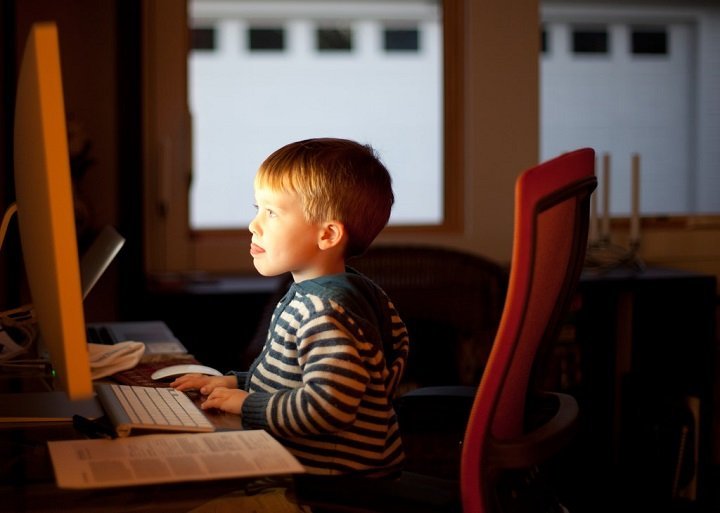
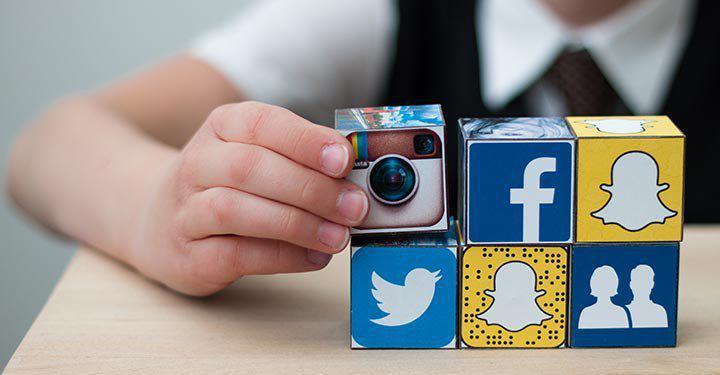
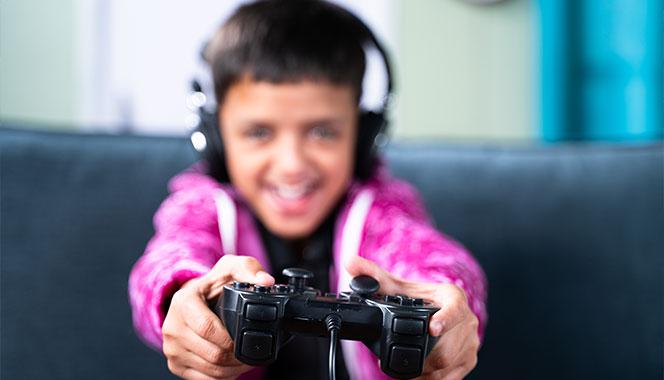
The expansion of the Internet has given rise to the phenomenon called social media. In simple terms, social media is a collection of tools that allows Internet users to connect with each other and share their ideas, interests and beliefs. The advent of social media has changed the way we connect and engage with each other, and this is not just limited to adults. Children too are using social media in increasing numbers. The sight of pre-teens and teens staring at their mobile phone or computer screen deeply engrossed in social media platforms is now common.
But, what is it that draws children to social media? What makes children get addicted to social media?
Research has shown that youngsters tend to experience an immediate and extreme sense of gratification and stimulation by being present on these platforms. While these platforms are used to make new friends and maintain ongoing friendships, they have also become a means for children to establish and assert their identities. In fact, children see social networks as an extension of their self, which makes these platforms an indispensable part of their lives.
However, along with the good, social media also has a bad side. While it allows children to connect with each other, it doesn't give them the opportunity to infuse their relationships with emotions like warmth, empathy and compassion. With time, this can start reflecting on children's behaviour and their relationships with those around them. Therefore, along with controlling our children's online presence, we must also show them how to value and respect relationships. Here is how you can do it.
- Show love and respect: It is common to see individuals proclaiming their love for someone on social media. However, most of these posts seem superficial. Speak to your child about how to give and receive love in the real world rather than only declaring it online. Show them how to express their love and respect by modelling it yourself. Establish rules at home that encourage family members to be respectful and supportive of each other.
- Evince empathy and sensitivity: Social media is a popular platform for expressing one's opinions and beliefs. However, it is also used for negative purposes like hurting or labelling individuals through trolling or shaming. And, all this is done without thinking too much about the effect it can have on the victim. People tend to be rude and indifferent on social media due to a lack of face-to-face encounters. As a result, they become insensitive and lack empathy. Help your child understand how important it is to be sensitive to the emotions and feelings of others, and empathise with them. To make them learn this, encourage them to connect with individuals in the 'real world'.
- Control emotions: Uninhibited expression of emotions like aggression, hatred, hostility, frustration, anger and grief is a part of the social media culture. Also, not much attention is paid to the words used to express these emotions. So, teach your child the importance of controlling their emotions and regulating their expression. While they shouldn't behave in a passive manner, which can make them susceptible to bullying, they should know how to be assertive without going overboard. Their ability to manage emotions will determine their reactions during times of stress.
- Communicate verbally and non-verbally: Texting and tweeting have largely replaced real-time conversation and people now prefer catching up with each other through online chats. However, a lack of verbal interaction can result in your child being unsure of simple, but essential, communication skills. So, encourage spontaneous conversations to help your child learn how to communicate verbally and express their emotions through words. But, remember that effective communication can take place non-verbally as well with a hug or a cuddle. Therefore, encourage this form of communication too.
- Model a good relationship: A loving relationship allows one to feel valued and accepted. Your child learns to model their relationships based on their observations of yours. So, try to set a good example by showing them that no relationship is perfect and that one must put in their best efforts to make it work. Also, try to consciously moderate the time spent online and not allow yourself to develop an addiction.
While social media does help maintain relationships and revive lost connections, we must also focus on valuing these bonds. As a family, we need to understand the right amount of time we should invest in the online world. And, in doing so, teach our children the fundamentals of respecting relationships.
The social and emotional learning program at The Dot Learning Circle emphasizes values such as respect, honesty, kindness, and empathy essential for building and maintaining healthy relationships. Children also learn how to learn and grow from their mistakes.























Comments
Edit
Comment Flag
Cancel Update