
Stubborn Behavior In Children: Positive And Negative Effects Every Parent Should Know
Radhika Meganathan
parentcircleparentcircleparentcircleparentcircleparentcircleparentcircleparentcircleparentcircleparentcircleparentcircleparentcircleparentcircleparentcircleparentcircleparentcircleparentcircle
Stubbornness in children can be frustrating, but it also hides hidden strengths. Discover how to handle stubborn behavior positively, understand its effects, and support your child’s growth with patience and care
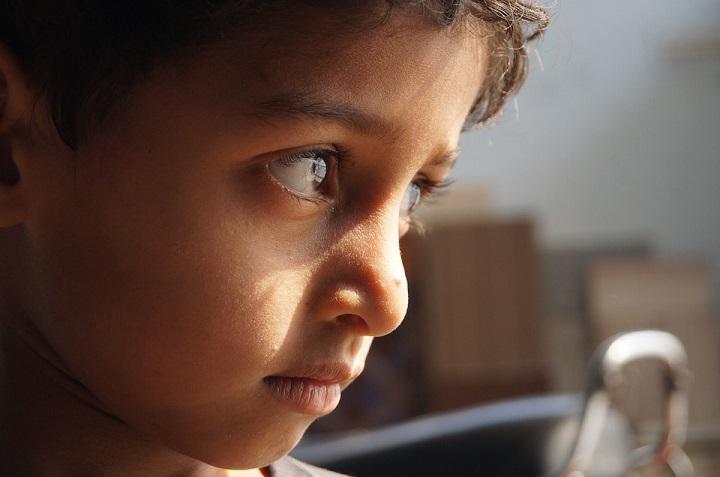
Manjula (name changed), a freelance illustrator and mother of two, often reminisces about how her children's stubbornness had become legendary in their family. When they were young, they would refuse to eat anything they didn't like, even going hungry until she yielded and made what they wanted. They were vocal about the colours they wore, the type of stationery they preferred, and the genre of storybooks they read. She recalls, "I was always afraid they would become arrogant and selfish, and come to no good in this world!"
Much to her delight, her fears proved unfounded. Her children not only became high achievers in school and college, but also came to be known for their 'can-do' attitude, confidence, and self-assurance.
It could all have gone wrong, too, like it did for Tara (name changed), a successful baker, whose only child did not learn to channel his stubbornness positively. Now a college-goer, he has difficulty making or keeping friends, and becomes sullen and moody and retreats into his shell if anyone points out he is wrong.
So why did Majula's children do well while Tara's son did not? The answer, many authentic studies and child specialists reveal, lies in how well parents and teachers channel a child's stubbornness. Clearly, this trait has both a positive and a negative impact on a child's personality as they grow up.
Defining 'Stubborn'
Stubbornness is about standing one's ground no matter what, and refusing to give up even in the face of challenges. It's about being adamant, determined, and persistent.
The upside of stubbornness
Know their mind: They know what they want and what they don't, because their innate nature makes it impossible for them to be confused or wishy-washy! So, you don't have to worry about what your child's choices in life are going to be. Whether it is selecting a birthday outfit or a career option, your child will know just what they want.
Focused: In a way, being stubborn is like having an inner compass on which one's entire attention is focused. A stubborn child will be engrossed in and committed to any endeavor, provided it's something they were not forced to do. And they are extremely competitive, which means they will do everything in their power to realize their goals.
Tenacious: A stubborn child will never be fazed by difficult tasks, as they love challenges and keep trying until the job is finished. They will persevere long after their friends and foes have given up!
Will not be bullied: Bullying and ridiculing have become common among children these days, but your stubborn child will have none of it. A stubborn child develops toughness early, and the defiance they show you is what the bully will see too! They will always stand up for themself, which is surely good news for you, as a parent!
Can't be easily swayed: A stubborn child raised with the right values will stick to them and will rarely give in to others' attempts to change them. This means your child will always make decisions based on their perspective and never because of others' opinions.
The downside of stubbornness
Could become spoiled: Discipline is an essential component of good parenting, but some parents tend to perceive it wrongly as punishment and hate to 'hurt' their child. As a result, they will give in to their child's stubbornness and end up with a selfish child who takes everything for granted.
May be known as a boor: A stubborn child may refuse to see the other person's point of view and take inordinate pleasure in proving they are right. When things go their way, they may not be above boasting about how they are right. When proved wrong, they will turn sulky and bitter. This could brand them as bull-headed and unfriendly.
Could become stranded: This doesn't mean literally stranded! Human beings are social animals, and there comes a point in every person's life when they need help. But your stubborn child may resist change so much that they will refuse to learn new stuff or ask others for help. This will make things unnecessarily difficult for them, not to mention losing out on new opportunities.
Could get alienated: Sadly, a stubborn person may antagonize their loved ones (and others too!) by rubbing them up the wrong way. A stubborn child often sacrifices tact and compassion just to be proved right. They may become selfish and willing to fight for their own interests with no consideration for others, thus alienating themselves from friends and colleagues.
Could behave unethically: This is, perhaps, one of the more dangerous aspects of stubbornness. A stubborn person is often a rule-breaker as they may go to any extent to get what they want (especially if they suspect they can get away with it!), even if it means employing unsavoury or unethical means.
If you observe stubbornness in your child, you need to find ways to channel the stubborn nature into positive avenues and ensure your child develops a balanced personality. Remember, stubborn children are more malleable than stubborn adults; so, make sure you start the process early!
Last updated on: August 21, 2025



























Comments
Edit
Comment Flag
Cancel Update