
Getting Kids To Help With Chores: Easy, Positive, And Age-Appropriate Tips That Work
Team ParentCircle
Want your child to help around the house without resistance? Discover age-appropriate tips, fun ideas, and positive strategies to make chores a team effort and teach responsibility in the process
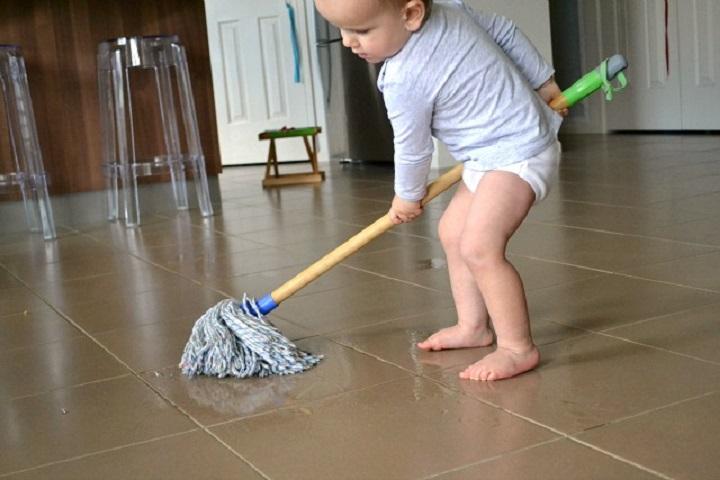
Running a household is no simple task, with several chores to carry out and complete throughout the day. You may think that your child is not the ideal person to help with these routine activities around the house. And, instead of assigning them these household chores and constantly monitoring them to ensure that the tasks are complete, it would perhaps be much easier to do things yourself. It's perfectly acceptable to think this way.
However, you must understand that it is important to involve your child in chores around the house right from their formative toddler years. Engaging your child even in small tasks around the house can give them confidence and a sense of purpose. It also prepares them to become responsible adults who find fulfilment in whatever they do. So, do not hesitate to delegate household responsibilities to your child.
Assigning age-appropriate chores
Remember to assign age-appropriate chores. Toddlers and preschoolers may not be able to perform complex tasks or those that require more strength. Most often, younger children will have to repeat certain tasks multiple times to get them right. For older children, explain the nature and specifics of the task in detail, guide them step by step, and most importantly, don't expect perfection.
Age-appropriate chores
Ages 2-3
Your toddler is ready for simple chores. Engaging them early on is good, as chores will seamlessly become a part of their routine. You can ask them to:
- Pick up their toys and books and put them back where they belong
- Pick up their plate, cup, and spoon after a meal
- Mop up a small spill
- Put away clothes where they belong
Here are some fun ways to teach your toddler responsible behaviour
Five Benefits Of Cooking With Preschoolers
Ages 5-9
Once your child is accustomed to school and is comfortable with their routine, you can start entrusting them with more responsibilities. Add these chores to the list:
- Clean their room and keep it tidy
- Put away their school items when they return home
- Sweep the floor and help keep the house neat
- Help pack up their snack and lunch boxes
- Sort and put away the laundry
- Make simple food like a sandwich
- Take the dog out for a walk
- Take out the garbage
- Sort the groceries and help put them away
Ages 10-12
Tweens are ready to take on more serious responsibilities. Here are additional chores you can assign to them:
- Help prepare food that requires cutting or cooking under adult supervision
- Run errands like picking up groceries from the store
- Babysit a younger sibling
- Operate the washing machine
- Wash dishes
- Clean the kitchen
- Dusting the house
- Wash their bicycle
- Help clean the family vehicles
Ages 13-18
For teens, the chores must be planned to help them live as independent adults. Here are some chores you can allocate to them:
- Help keep the whole house clean, not just their room
- Iron clothes
- Make bigger purchases from the grocery store
- Help with the cooking
- Handle money and budgeting
- Pay utility bills
- Buy their clothes
- Cook a family meal occasionally
- Be responsible for the upkeep of the garden
- Do simple maintenance work around the house, like changing light bulbs and making temporary fixes till the repairs are done.
Motivating your child to do the chores
Carrying out routine chores is not always fun. Here's what you can do to keep your child motivated:
Offer rewards
Rewarding your child motivates them to complete tasks assigned to them. You can consider giving them an allowance depending on how they accomplish their chores. Or put the money in their piggy bank. However, rewards need not be monetary all the time. You can increase their TV time or time on the computer. Or you could give them treats like an ice cream, a special outing, or order a favorite snack for a job well done. This way, your child will have something to work towards, and the chores will get done.
Turn a chore into a competition
Try this only if the sibling relationship is strong and healthy. You can turn a particular chore into a casual competition between siblings. Some healthy competition can make chores more interesting. Establish clear rules and list the criteria for awarding points. This will rule out any bias or unfair judgments. You can plan the rewards, and when the chores are all done, announce surprise awards for each sibling for their effort.
Encourage and praise
Children need to be constantly encouraged. Regardless of the nature of the chore, praise efforts. Let them know how much you appreciate their help around the house, and don't forget to thank them too.
Make it fun
You can assign your child chores that they like or prefer doing. Role-play is also an effective way to make chores more interesting. For example, while getting your child to help with the cooking, you can all pretend to be world-famous chefs whipping up one of their well-known creations. Or, you can make up songs about the chores and have a sing-along while performing the chore.
Work as a team
As your child grows, listen to their ideas and suggestions on organizing family chores. Let them take the lead in allotting the chores, rotating them every week. Find out what each family member does best and give them fun titles. You could also adapt chores to match their personalities.
Don't nag
Be flexible and allow your child to do the chores in their own style. Just guide them. You'll be surprised how creative and smart they can be. You can show them how it's done, but don't try to micro-manage the whole affair. The whole point of them doing chores is to get them to become independent and confident. If you nag and micro-manage every little detail, your child will never learn the value of completing a task on their own, and this might do them more harm than good. Never assign a chore as a punishment, as your child will always have a negative association with chores.
Children need structure when they are growing up in order to become responsible adults. Chores provide them with this framework, preparing them for life as adults. They learn time management and other skills that help them become independent and conscientious adults. If your child can cook a meal for themself, has housekeeping skills, and handles money without being wasteful, they will be able to handle pretty much everything life will throw at them.




























Comments
Edit
Comment Flag
Cancel Update