
Did you know there are many symbols that denote peace? Show them to your child as you discuss what peace is all about
Vidya Nesarikar
With instances of violence mushrooming, the world is in a fragile state. The need of the hour is peace, not war. Here are some famous peace symbols across the world every kid should be aware of.
"Peace brings with it so many positive emotions that it is worth aiming for in all circumstances" - Estella Eliot
It is easy to get carried away by war propaganda and rhetoric - to take sides, to justify war. But we need to stop jingoistic nationalism and not classify countries into good and bad because in the end war only means bloodshed, death, destruction and pain. It is important as parents to have discussions about war and peace with our children and open their minds that war is never an option. Let's give peace a chance today.
Teach your child to live in peace
'Inner Peace' was a term popularized by the central character Po in the Kung Fu Panda movie. But peace, harmony and even freedom is not just a mental concept but a state of balance with everything around us - our family, environment and country. Governments and leaders recognize the importance of peace and do their best to maintain stability for their people and avoid wars. It is heartbreaking to note that the most vulnerable sections of society like children are the ones that suffer the most from the onset of war. International organizations like the United Nations invest heavily to promote messages of peace and peace symbols are one way of doing that.
Peace symbols around the world
Many cultures, communities, religions, people's movements and leaders have come up with different peace symbols to communicate peace. A look at some of the different peace symbols around the world.
1. The White Dove and the olive branch
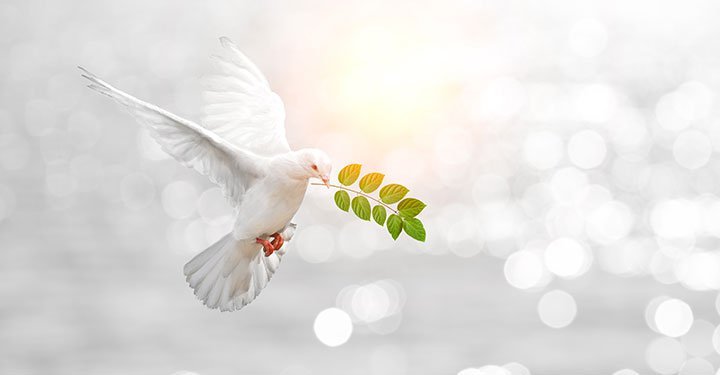
In many religions and cultures, the color white is seen as a symbol of love and peace. In the biblical story of Noah's Ark, after the Great Flood and spending a year on the Ark, Noah sent out a white dove to scan the area for land. The white dove returned with an olive branch in its beak to indicate there was land nearby. The sight of the dove with the olive branch elated Noah. Since then, the symbol of the white dove with the olive branch is seen as a sign of peace. In ancient Greek and Roman cultures, the defeated would hold up an olive branch indicating peace.
2. White poppy
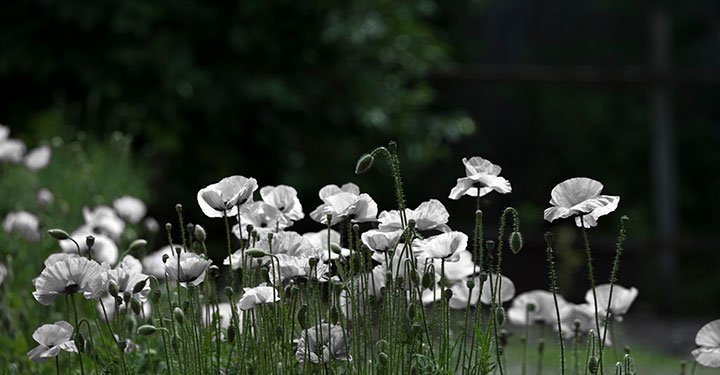
The white poppy is a symbol of peace with a message to end all wars. This little white flower was first distributed by the Women's Cooperative Guild in the United Kingdom in 1933. It represents a belief that war is not the solution to ending conflicts. In 1934 the Peace Pledge Union also joined in the distribution of the white poppies as a reiteration and pledge of peace and hope and commitment that war should never occur again.
3. The Peace sign
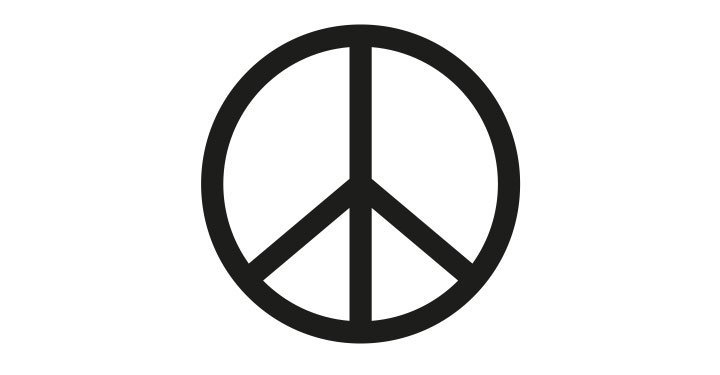
The peace symbol is everywhere these days - on t-shirts, spray-painted as graffiti on walls, and on posters. But where did it start? This simple design of a circle and three lines was the brainchild of British graphic designer Gerald Holton. He was given the job of coming up with a visual for the nuclear disarmament march in London in 1958. Soon, the symbol became popular in the USA and was used in a 1960 pamphlet for the Committee for Non Violent Action - an American anti-nuclear organization. It was later used extensively during the anti-Vietnam war protests. In South Africa, it was used during anti-apartheid campaigns. The peace sign has transcended generations and countries - and is still used widely to protest wrongdoings and war.
4. The V sign
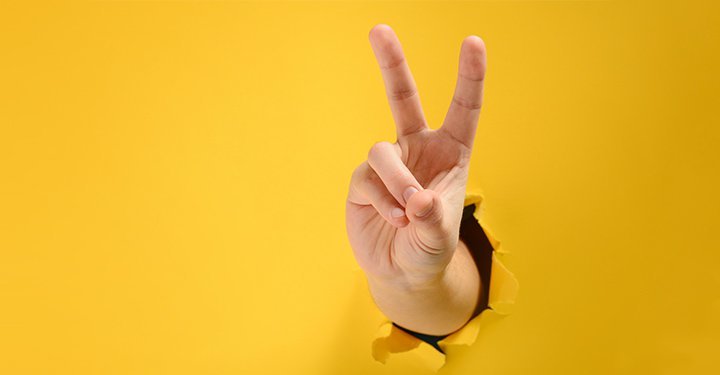
The palm outward and middle and index finger parted to make a V sign started off as a symbol for victory and was first used in January 1941 as part of a campaign by the Allies of World War II. Many politicians such as Winston Churchill and Richard Nixon have been photographed making the V sign. In the 1960s, it was used by hippies in the counterculture movement against the Vietnam War as a peace symbol. It was also popularized by the music and lifestyle channel - Channel V. The V sign is quite popular for the Japanese and Southeast Asians while posing informally for photographs. The V sign is cool, hip and it means peace. Bear in mind though, the palm inward toward the signer is an insult in some countries!
5. Peace Crane
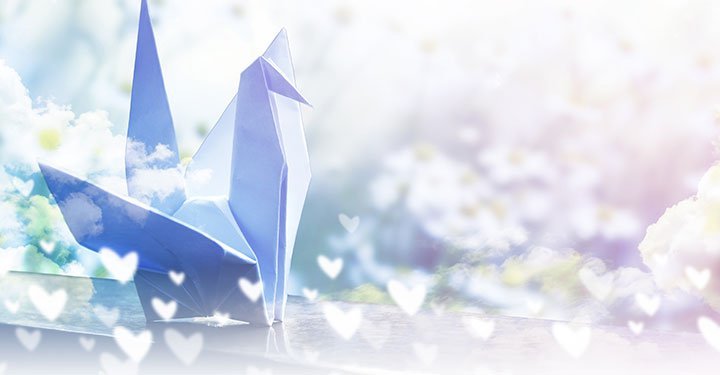
In Japanese folk tales, the crane, thought to live for 1000 years, was held in high esteem. The story behind the paper origami crane becoming a peace symbol is a touching one. In Japan, there is a monument for the child victims of Hiroshima which has a statue of Sadako Sasaki holding up an origami crane. Though Sadako Sasaki survived the Hiroshima atomic bombing incident on August 6, 1945, she eventually died of complications due to the radiation in 1955. She started making origami cranes and eventually made 1000 paper cranes before she passed away. The cranes she made are at Hiroshima Peace Memorial Museum. In 2007, the Sadako Legacy began donating the origami cranes to places that needed healing carrying the message of peace. One is reminded of US President Kennedy's words - "Mankind must put an end to war or war will put an end to mankind."
Help your child develop an awareness of the word Peace through the following video
6. Knotted Gun
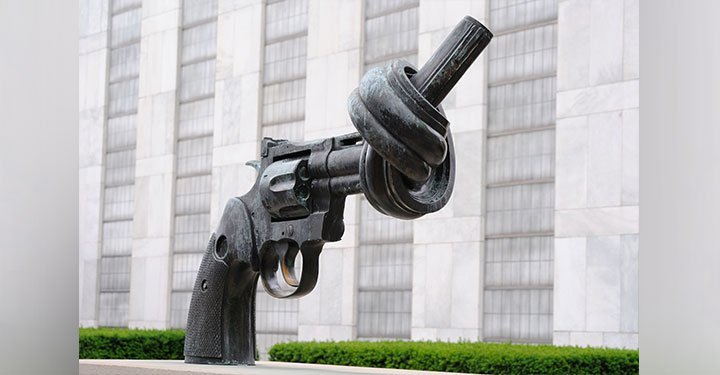
The 'Knotted Gun', designed by Swedish artist Carl Fredrik Reutersward, is a bronze sculpture in the shape of a revolver with a knotted barrel and muzzle pointing towards the sky. Carl made this sculpture when singer and peace activist John Lennon was murdered in 1980. Since 1993, the sculpture has been the icon of The Non-Violence Project, a non-profit organization that promotes social change through violence-prevention education programs. There are currently 31 copies of the sculpture across the world. The original sculpture is at the United Nations headquarters in New York City
Peace brings with it so many positive emotions that it is worth aiming for in all circumstances - Estella Eliot
7. The Mahatma Gandhi symbol
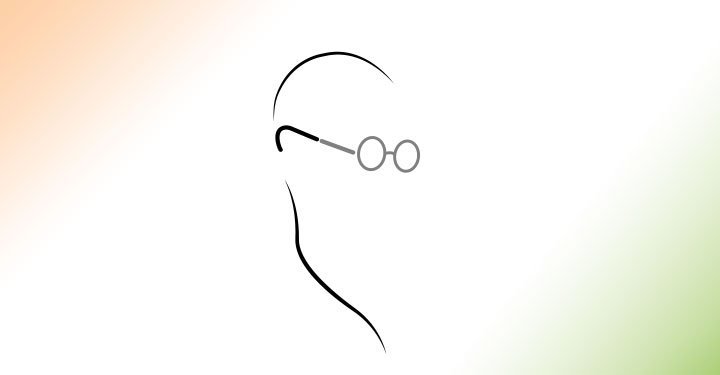
No discussion about peace symbols can be complete without the mention of the foremost leader of non-violence and peace - Mahatma Gandhi - the leader who lead India to freedom from the British with his non-violent methods. The sketch of his profile - just a line with a spectacle frame has symbolized peace and non-violence in India and across the world and inspired leaders and people movements for peaceful protests and activism.
8. Pax Cultural Symbol
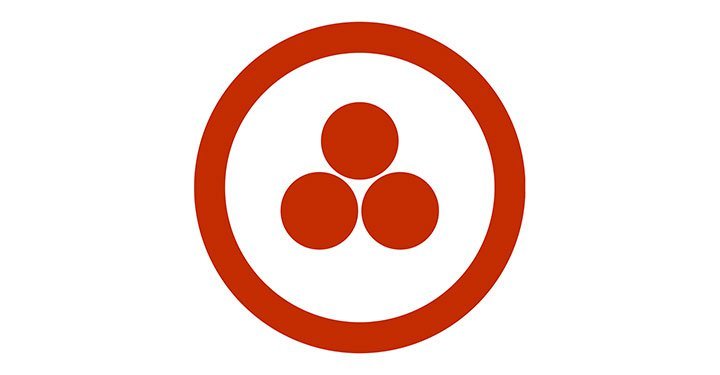
During war, many cultural symbols are destroyed. It is hard to forget the dynam blasting of the Buddhas of Bamyam in March 2001 by the Taliban in Afghanistan. That is just one of the atrocities over the centuries. To try and counter this the "Pax Cultura" ("Cultural Peace" or "Peace through Culture") movement was started by Nicholas Roerich, one of Russia's most famous artists. Its motto is the cultural artifact protection and is symbolized by a maroon on white emblem consisting of three solid circles in a surrounding circle. In 1935 a pact spearheaded by Roerich was signed by the United States and Latin American nations, concurring that - historic monuments, museums, scientific, artistic, educational and cultural institutions, should be protected both in times of peace and war.
9. Broken Rifle
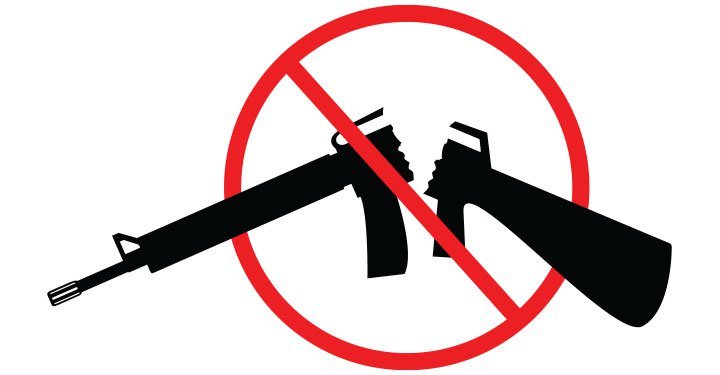
The broken rifle symbol is used by War Resisters International (WRI) but its usage in history dates before that. In various countries of Europe, this symbol has been used to represent the people's sentiment to stop the war. The first known usage of the symbol was on the masthead of the 1909 issue of De Wapens Neder (Down with Weapons), the periodical of the International Antimilitarist Union in the Netherlands. In 1915, the broken rifle symbol made its debut on the cover of a pamphlet, Under det brukne Gevr (Under the Broken Rifle). Also League for War Victims in Germany started in 1917, used the symbols in their banners. In 1921, the symbol made its way to Belgium. It was used in flags in a march in 1921 which depicted a soldier breaking a rifle.
10. The Peace Flag
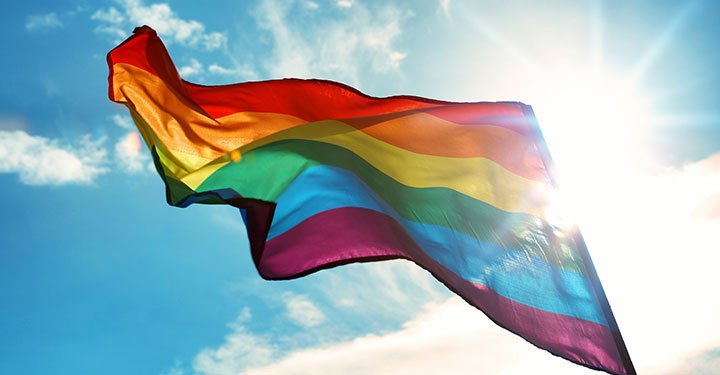
One of the new peace symbols is a rainbow flag representing peace, which was first used in Italy at a march for peace in 1961. The flag was inspired by other multi-colored flags used to protest against nuclear weapons. The common design of the rainbow peace flag has -purple, blue, azure, green, yellow, orange, and red-and the Italian word PACE, meaning "peace". This version of the flag gained prominence with the Pace da tutti i balconi ("peace from every balcony") protest in 2002. The rainbow peace fluttered from balconies in many Italian cities by citizens against the war, which was quite a sight to behold. Its use spread to other countries too, and the Italian 'Pace' was sometimes, replaced with the local translation.
11.Shalom/Salaam
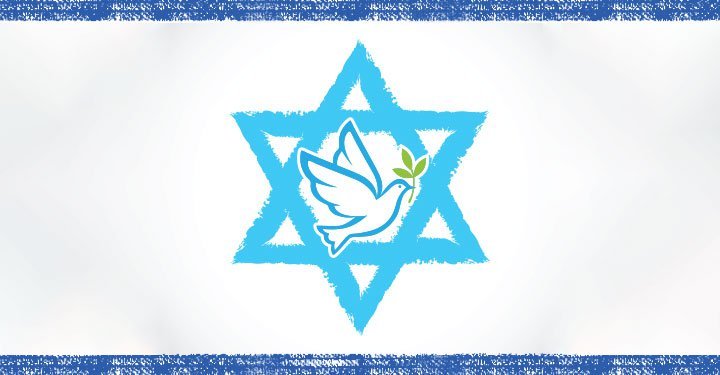
Shalom in Hebrew means peace, harmony, wholeness, completeness, prosperity, welfare and tranquility. It denotes peace between any two entities especially between man and God or between two countries. Over the years, the Shalom peace symbol has begun to stand for peace in the Middle East and a call for a truce and end to the Arab-Israeli conflict.
It is imperative to have these discussions about peace symbols and their origins and their impact on the world with our children. It is presumptuous as parents to think children do not understand beyond their own little world. It is good to be reminded every now and then that one of the most iconic and powerful voices against war was Anne Frank, a 13-year-old Jewish girl hiding from the Nazis during World War II. She sums it up best in her Diary of a Young Girl, "In the long run, the sharpest weapon of all is a kind and gentle spirit."



















Comments
Edit
Comment Flag
Cancel Update