
8 Natural Ways To Purify The Air At Home. Get Ready For A Breath Of Fresh Air
Amrita Gracias
Fresh air not only feels good but is also extremely important for our body and well-being. Learn how you can enjoy clean and purified air indoors with these simple and natural methods.
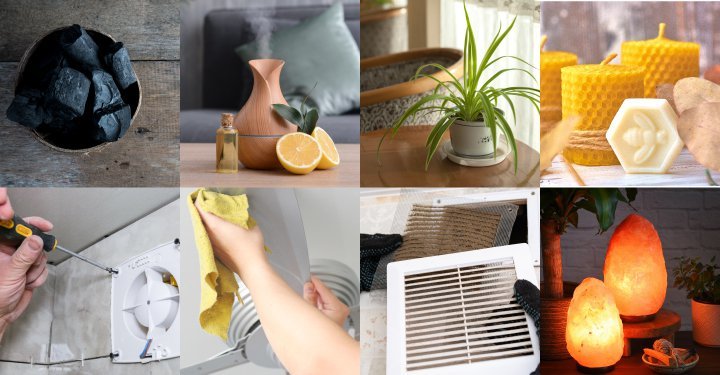
There's nothing more calming and refreshing than taking a breath of fresh air. We all yearn for a few minutes of that much-needed cool, clean and pure air every now and then. Unfortunately though, with the current COVID situation, most of us are forced to spend lengthy periods of time indoors. In fact, going out to grab some fresh air has indeed become a bit of a luxury!
So, how can we get around the situation and ensure that we get the ample amounts of clean and fresh air that we all need in abundance? Well, did you know that the air that we breathe indoors - in our personal spaces in our homes - can be purified to rid it of the various contaminants and pollutants that are detrimental to our health?
In this article, we explain to you simple ways in which the indoor air can be purified using materials or substances that are completely natural and non-toxic.
But first, let us understand why we require fresh air and how it benefits our body and health.
Importance of breathing clean and pure air
A breath of fresh air not only feels good but is also extremely important for our bodies. Breathing fresh air regularly has several positive benefits and can do wonders for our well-being.
- Firstly, clean air is essential for healthy lungs, keeping severe lung infections at bay in the long run. It also helps the airways of the lungs dilate fully and thereby improves the organ's cleansing action. It is even believed to reduce the risk of asthma attacks and allergies.
- Fresh air boosts immunity as it helps the body produce good bacteria that are required to protect it from harmful pathogens. It is also known to improve blood pressure and heart health as well - polluted air forces the heart to pump harder in order to get the required levels of oxygen. On the other hand, with fresh air, the heart works normally as it receives adequate levels of oxygen and therefore helps improve blood pressure and, in turn, the overall health of the heart.
- Clean air has also proven to have a positive effect on the health of the brain. It enables the brain to function more efficiently and also helps one think with clarity and improved concentration. It increases energy levels, reduces stress, and even helps cure insomnia by improving the quality of sleep. Breathing clean air increases oxygen levels in the body as well, which in turn, increases the levels of the hormone serotonin which affects our mood and how we feel. It leaves us feeling happy, refreshed, and relaxed.
8 Natural ways one can purify the air indoors
Let's now look at ways we can breathe cleaner air indoors
1. Increase ventilation
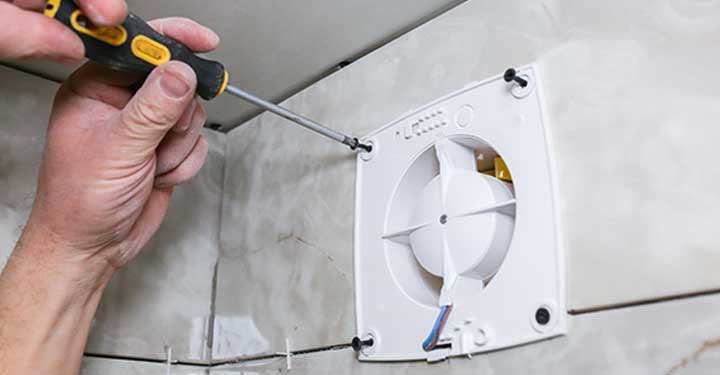
Ventilation helps provide clean air by diluting the pollutants that enter the house and removing those that are already present in the air indoors. Ventilation systems also control the amount of moisture that remains inside your home - excess moisture leads to the formation of mold and mildew, which usually thrive in humid conditions.
An effective ventilation system will bring in the fresh air and circulate it so that it reaches all corners of the home. While windows are part of the ventilation, areas such as kitchens and bathrooms also require adequate airing. Exhaust fans in these areas can remove stale air, which is unsafe and unhealthy to breathe. Trickle vents are another option. They are minor openings in the windows that allow small amounts of fresh air to pass from one side to another even when the windows are closed.
2. Use beeswax candles
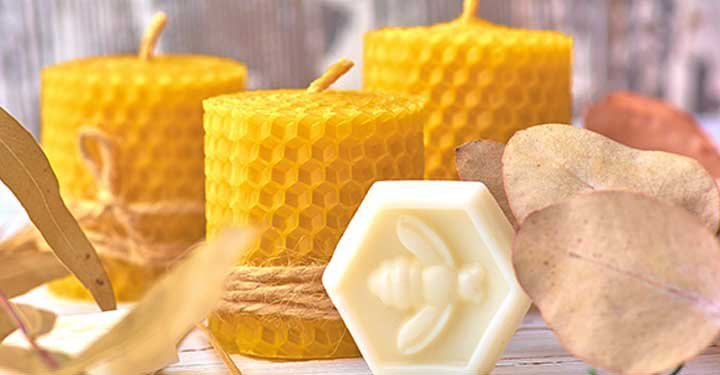
Beeswax is an all-natural, non-toxic waxy substance secreted by bees and used by them to construct their honeycombs. Once collected and filtered, the wax is used to make candles. Since it is 100 percent natural with no fragrance, the wax doesn't produce any non-toxic by-products when burnt. Instead, it produces negative ions that help neutralize the pollutants in the air, decreasing dust particles, odors, allergens, and other toxins in the air and thereby improving the air indoors.
3. Salt lamps
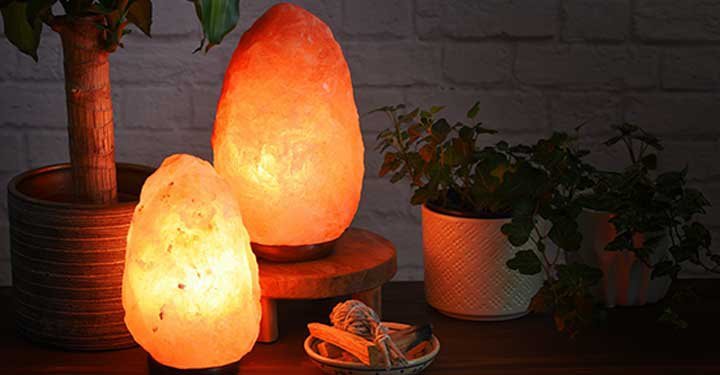
Salt lamps are basically crystals carved out from amber-colored rock salt sourced from the Himalayas. A hollow is made in the crystal for a bulb to be fitted inside. Salt lamps are believed to be natural ionizers - they attract toxins in the air and neutralize them just as waterfalls or oceans do. They also produce negatively charged ions that reduce the pollutants in the air while the natural properties of salt allow the lamps to absorb these unwanted particles from the air.
4. Clean air filters
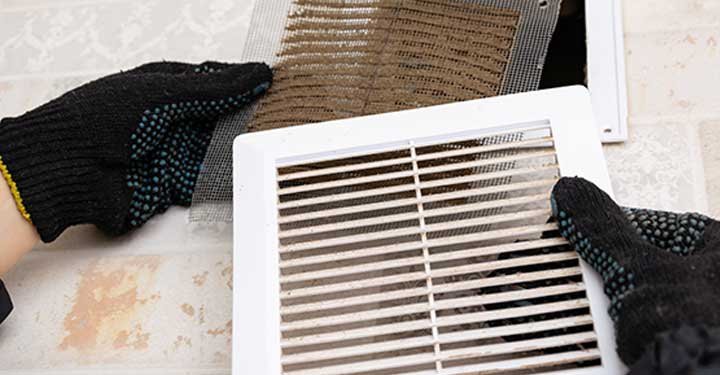
Air filters help circulate air in the room by allowing the air to pass through the filter but trapping the dust particles and other contaminants. A mesh attached to the heating or cooling devices in your home prevents unwanted particles in the air from entering the home. However, because the filters are constantly drawing in the dust particles, they tend to get clogged easily. So, make sure they are cleaned or changed regularly to ensure their maximum efficiency.
5. Clean ceiling fans regularly
The good old ceiling fans are in fact a great way to circulate the air in your personal space at home. They improve airflow and air circulation. As the blades rotate, they create a friction force that moves the electrons in the air around. The charged dust particles in the air then stick to the charged areas of the blades, which is where the dust collection tends to build up. So, ensure that you clean the fan blades regularly so that the air circulating inside is free of dust.
6. Invest in some houseplants
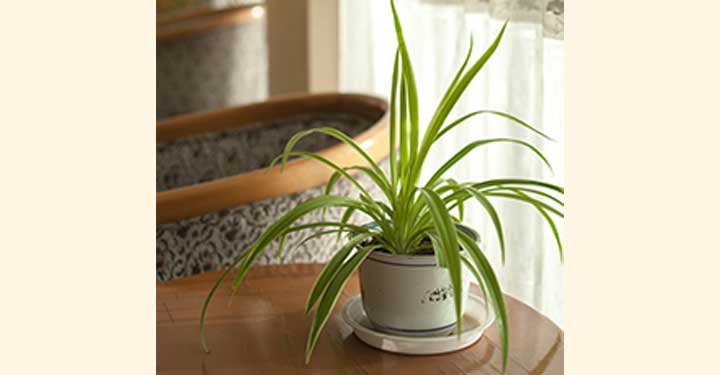
Indoor plants can remove pollutants from the air by reducing the levels of carbon dioxide and getting rid of stale air indoors. They also act as a natural humidifier getting rid of certain air-borne toxins and improving the air quality considerably. The absorbed pollutants are used by bacteria and fungi in the soil as food for the plant. Common houseplants such as Spider Plant, Peace Lily, Snake Plant, Ferns, Areca Palms, and Money Plant are best known to keep the air clean and pure indoors.
7. Buy essential oils
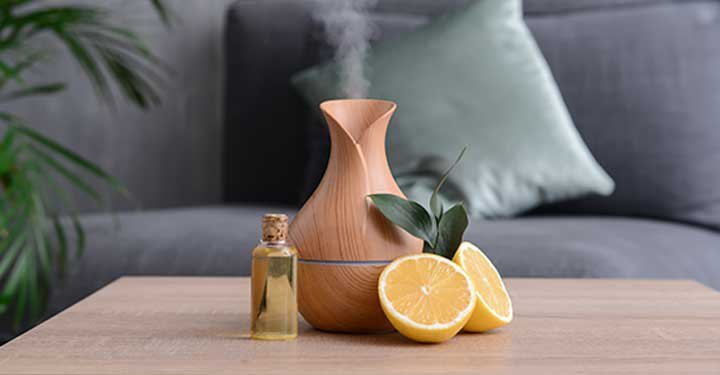
Essential oils are made of aromatic chemicals that contain antimicrobial, antibacterial, and antiviral properties, which are known to reduce the presence of airborne microbes. The oils can be burnt using a diffuser (although is not recommended to burn them for more than 30 - 60 minutes at a time). When dispersed into the air, they have the power to destroy airborne viruses, bacteria, and antigens freeing the air of germs. Some of the well-known essential oils that are most commonly used to clear the air are lemongrass, tea tree, eucalyptus, pine, lavender, and peppermint.
8. Activated charcoal
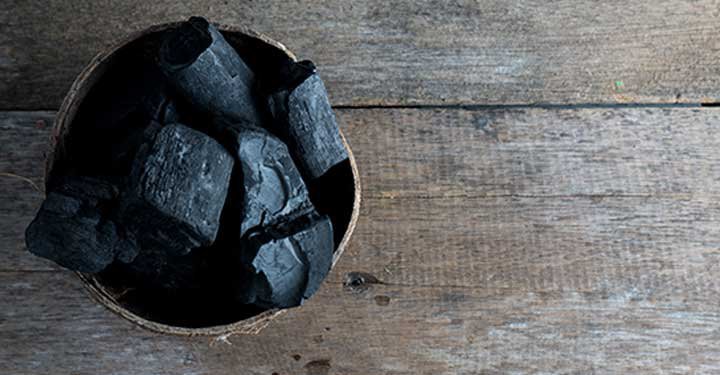
Activated charcoal, or activated carbon, is a form of carbon that has gone through an additional process in order for it to have an increased surface area and additional micropores. Since it is so porous it acts like a sponge and is more effective at trapping particles. The pores don't provide any nutrients or moisture, and so the trapped microbes die.
Activated charcoal is also known to remove volatile organic compounds (gases emitted from the combination of particular liquids or solids) from the air and help control the humidity as well. At home, activated charcoal can be used in the form of charcoal briquettes, which can be placed around the house (on metal trays), or as filters in air conditioners or heaters. However, the charcoal will need to be periodically cleaned as it becomes inactive since the pores become full over time. Placing the charcoal out in the sun will clear the pores.
Aren't these such simple ways of purifying the air indoors? With just a bit of effort, you and your family can breathe in fresh air from the comforts of your home. So, go ahead and ensure that your home is filled with clean air rather than with dust and unwanted toxins!

























Comments
Edit
Comment Flag
Cancel Update