Behaviour and Discipline
Behaviour and Discipline
My 9-Year-Olds Sudden Mood Swings Led Me to an Important Parenting Discovery
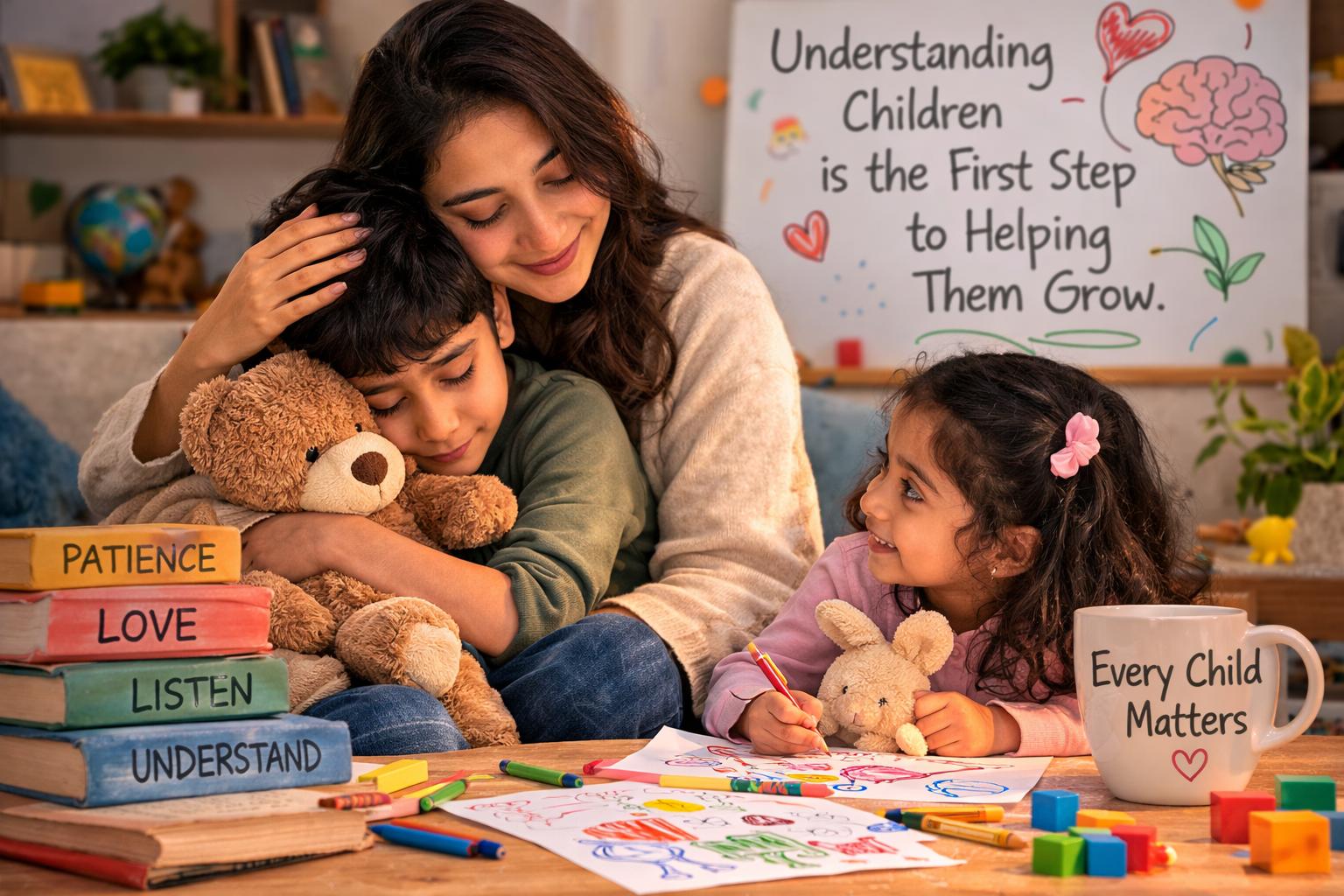
Parents often feel confused when they notice sudden and unpredictable changes in their children's behaviour.
Let’s take a closer look at these patterns and try to understand what might actually be happening.
Recently, I started noticing small but surprising changes in my 9-year-old son.
During one happy playtime with his younger sister, he suddenly yelled at her for no clear reason — and moments later, he began sobbing himself.
That moment left me wondering: Was it simple moodiness, or was something deeper happening?
As I explored this further, I discovered that children between the ages of six and nine often enter an important developmental stage called adrenarche — a phase when emotional and hormonal changes quietly begin.
What Is Happening During This Phase?
Between the ages of 6 and 9, children often enter a stage called adrenarche. It is not puberty yet, but it is the body’s early preparation for adolescence.
During this time, the adrenal glands begin releasing small amounts of hormones that can influence mood, emotions, and sensitivity.
Because of these changes, children may sometimes react more strongly than expected.
Changes Parents May Notice
Parents might observe a few surprising behaviours during this stage:
• Sudden mood swings
• Increased sensitivity or frustration
• Crying more easily than before
• Greater concern about friendships and fairness
• Moments of confusion about their own feelings
These reactions can appear suddenly, leaving parents wondering what has changed.
How Parents Can Help
Children going through this phase need patience and reassurance more than correction.
Parents can help by:
• Listening calmly when emotions rise
• Maintaining predictable routines
• Encouraging children to talk about their feelings
• Reassuring them that their emotions are normal
When children feel understood, they slowly learn how to manage these big emotions.
Understanding this phase changed the way I responded as a parent. Gradually, my son also became calmer and less overwhelmed by his emotions.
Have you noticed similar emotional changes in your child around this age?



























Comments
Edit
Comment Flag
Cancel Update