
FEATURED
10 Life Lessons From Mahatma Gandhi To Teach Children And Parents Today
Team ParentCircle
ParentCircle empowers parents to raise successful children through holistic parenting.
Explore 10 timeless values from Mahatma Gandhi's teachings and sayings, including truth, non-violence, courage, simplicity, and caring for others, and simple ways to discuss them with your child today

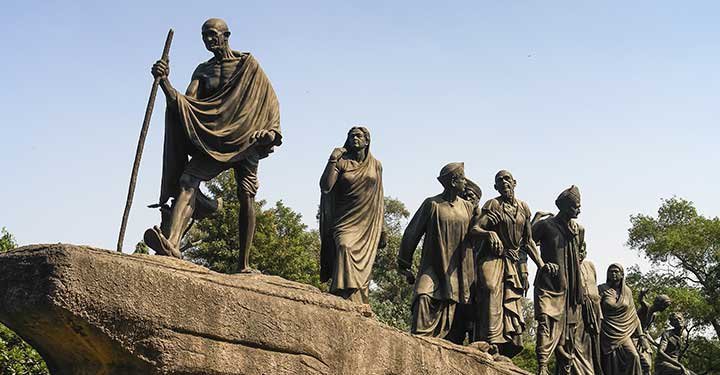
Every October 2, schools across India remember Mahatma Gandhi through stories, assemblies, drawings, and discussions about truth and non-violence. But Gandhiji's ideas don't have to be restricted to Gandhi Jayanti celebrations.
In fact, Gandhiji’s ideas can spark meaningful conversations: What does it mean to be truthful? How do we respond when someone hurts us? Can we stand up for what is right without hurting another person? How much do we really need?
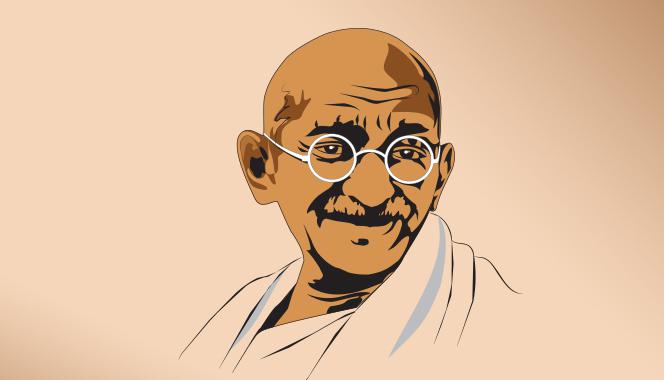
Born as Mohandas Karamchand Gandhi on October 2, 1869, Gandhiji played a significant role in India's freedom movement and became internationally known for his emphasis on truth and non-violence.
Some of the values he explored—truth, non-violence, courage, simplicity, learning, and responsibility remain relevant to how we treat ourselves, other people, and the world around us.
Here are 10 ideas associated with Gandhiji's life and philosophy that parents and children can explore today.
1. Slow down and be present
Gandhiji's life is often associated with simplicity and mindful living. Today, most children move from school to tuition, activities, homework, and screens. Can we see the value of slowing down and noticing what is happening around us?
We could make room for free play, time outdoors, family meals, and relaxed conversations. It doesn’t always have to be about moving to the next thing. Being present in the moment has its own value.
Ask your child: “Can you tell me one thing you really noticed or enjoyed today?”
2. Practice honesty, and take responsibility
Gandhiji placed great importance on truth.
For children, honesty is more than just not lying. A child may hide a poor test score for fear of disappointing their parents; deny breaking something for fear of punishment; tell a small lie to avoid getting into trouble.
These moments can become opportunities to help them understand that telling the truth also means having the courage to take responsibility for their actions.
Instead of focusing only on the mistake, ask your child what happened, what they were worried about, and what they could do to make things right.
When children learn they can tell the truth without being shamed, honesty becomes not just a rule they have to follow.
Ask your child: “What could you do to make things right?”
Gandhiji and the Kettle
As a child, Gandhiji once faced a spelling test in school. His teacher wanted him to copy the correct spelling of a word from another student's slate. Gandhiji chose not to copy even though it meant his spelling would be marked wrong.
This story, recalled by Gandhiji in his autobiography, is a simple conversation starter about honesty: doing the right thing sometimes means resisting pressure, even when an easier option is available.
Ask your child: “Is it easy to do the right thing if nobody else is doing it?”
3. Start with what you can change
Gandhiji’s life demonstrates the importance of individual responsibility and action. We cannot solve every problem around us, but our choices make a difference.
If your child complains about litter in the neighbourhood, they can help by using a bin and encouraging friends to do the same. If they feel someone is being treated unfairly, they can learn to speak respectfully rather than joining the argument. Children can make a significant difference even in small ways.
Ask your child: “What one small thing could you do to make this situation better?”
4. Respect people who are different from you
Gandhiji's emphasis on respect and non-violence can open conversations about how we treat people whose lives are different from our own.
As children grow, they meet people who speak different languages, follow different traditions, have different abilities, or live differently.
Encourage your child to be curious, not quick to judge. If they hear a stereotype or see someone being excluded, help them think: Is this fair? Do I really know this person? How would I feel if someone made the same assumption about me?
Children learn respect from what parents and adults say and do. What we say about other people and communities at home can shape how children begin to see the world.
Ask your child: “What are you learning from someone whose life is different from yours?”
5. Pause before you act or react
Gandhiji believed that meaningful change begins with self-discipline and that actions have consequences. They can learn that pausing before reacting is a simple way to practise this value in everyday life.
Today, many children respond instantly to messages, photographs, comments, or disagreements. Your child can learn to pause before acting, especially when emotions are running high, by seeing you do it.
Before sending an angry message, forwarding something they haven't checked, joining friends who are teasing someone, or reacting to a hurtful comment, they can ask themselves:
- Will this help?
- Could this hurt someone?
- Is there a better way to respond?
Ask your child: “If you could pause for 10 seconds before reacting, what might you do differently?”
6. Stay curious and keep learning
Gandhiji valued education and lifelong learning. This idea can help us look beyond marks, examinations, and report cards.
Instead of always asking, “What marks did you get?” sometimes ask, “What did you learn today that you didn't know yesterday?”
Children learn from books, conversations with a grandparent, failed experiments, disagreements with a friend, or something they observe outdoors.
Encourage your child to ask questions, try new things, and remain curious even when they don't succeed. This helps them see learning as a lifelong process, not restricted to the classroom.
Ask your child: “What one thing would you like to learn just because you are curious about it?”
7. Choose hope and resilience
Gandhiji's life can spark a conversation about resilience—staying committed even when things are difficult.
Disappointment, anger, and sadness are part of life. We may lose a match, struggle with a subject, quarrel with a friend, or start from scratch after making a mistake.
Ask your child: “What one thing can you do next, even though this is difficult?”
8. Choose non-violence, and know your boundaries
Gandhi's philosophy of non-violence, or ahimsa, applies to conflicts children experience with siblings, classmates, and friends.
When someone hurts or angers them, help them learn that responding without violence does not mean doing nothing. They can stand up for themselves without hurting someone else:
- They can walk away.
- They can say, “I don't like that. Please stop.”
- They can ask a teacher or another trusted adult for help.
Forgiveness does not mean accepting repeated hurt or unsafe behavior. Children can learn not to retaliate by setting firm boundaries and seeking help.
Ask your child: “How can you stand up for yourself without hurting the other person?”
9. Speak up with courage and respect
Gandhiji's life offers an opportunity to talk about having the courage to stand by what you believe is right.
To fit in with peers, children may sometimes laugh at a joke they don't find funny, agree with friends even when they feel uncomfortable, or keep silent when someone is treated unfairly.
Children can learn to disagree respectfully:
- “I don't want to do that."
- “That's not okay."
- “I don't agree.”
Ask your child: “Have you ever wanted to say no but were worried about what others would think?”
10. Know the difference between needs and wants
Gandhiji's ideas about simplicity offer a lesson for children growing up surrounded by advertisements, online shopping, and trends.
Before buying something, children can learn to ask:
- Do I need this?
- Do I really want it?
- Could I borrow, share, reuse, or repair something instead?
Simple habits, such as avoiding food waste, reusing what we have, sharing with others, caring for our belongings, and buying thoughtfully, can also help children develop a sense of responsibility towards the environment.
Gandhi and the Little Pencil
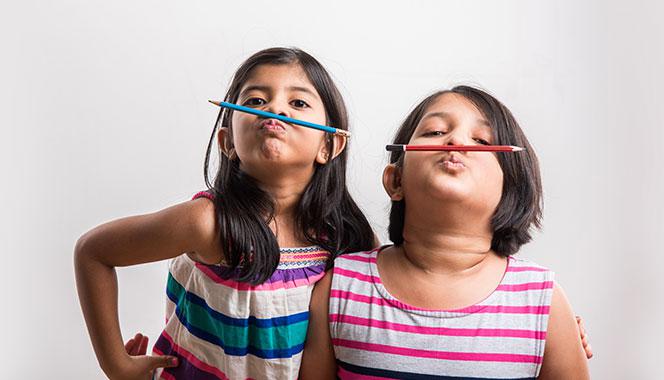
A popular story about Gandhiji highlights his simple lifestyle and his attitude towards using resources thoughtfully. When he saw a child wasting a small pencil, he reminded him not to waste even something as seemingly insignificant as a pencil.
Ask your child: “Before we replace something, could we repair, reuse, or make better use of what we already have?”
Parent checklist
- Talk about one value at a time rather than trying to teach all ten at once.
- Use everyday situations as opportunities for conversation.
- Model the behaviour you want to see in your child.
- Allow your child to question, disagree, and think for themselves.
- Teach non-violence alongside healthy boundaries and help-seeking.
- Focus on repairing mistakes rather than punishing them.
- Encourage curiosity and learning beyond marks and school.
- Help children distinguish between needs and wants.
- Give children opportunities to make small, meaningful contributions at home and in their community.
- Remember that values are built through repeated everyday experiences, not one-time lessons.
What Gandhiji’s lessons can teach children today
Gandhi’s life offers children more than historical lessons. As parents, we can keep these values alive by helping them question, reflect, and practise them in their own lives.
This article draws on documented aspects of Mahatma Gandhi's life and philosophy to explore values that parents can discuss with children today.
Need more information? Trusted resources:
- Gandhi Heritage Portal — Government of India
- The Story of My Experiments with Truth by M.K. Gandhi
Published on: September 1, 2026























Comments
Edit
Comment Flag
Cancel Update