
How To Raise Resilient Children In A Fat-Shaming World: A Parent’s Guide
Aruna Raghuram
In today’s world, children are often exposed to body shaming, whether through peers, media, or even casual comments at home. You can’t control everything your kids hear, but you can equip them with the resilience and self-worth to rise above it with confidence, body positivity, and emotional strength
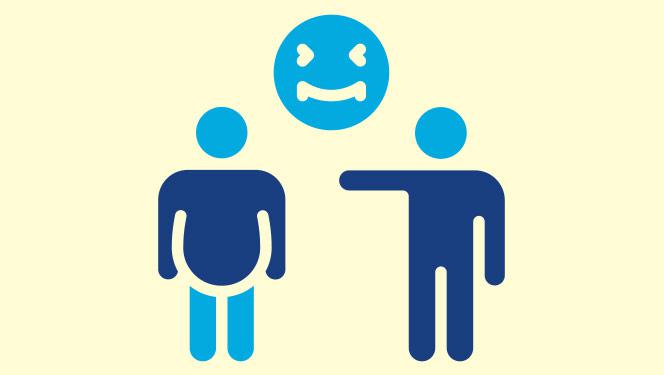
Every parent wants their child to feel happy and confident in their body. But is this possible for overweight children in a fat-shaming world? You may have taught your child that bodies come in all shapes and sizes and that all bodies deserve love and respect. But children are subjected to fat-shaming messages from all quarters. Consider these:
- A peer in the playground may call your child ‘fatso.’
- The parent of a friend may gently ask your child to avoid a second ‘alu paratha.’
- Your teen’s photos may be trolled on social media.
- A schoolteacher may joke in class about your son’s weight.
- The store assistant may tell your daughter they don’t have clothes in her size.
Fat-shaming, a type of body-shaming, is widely prevalent. Children get fat-shamed by peers, siblings, other adults, and even their parents. They can feel fat-shamed by messages in the media and on social media. Such children may end up with low self-worth and start hating their bodies. Fat-shaming perpetuates the unfortunate idea that people should be judged mainly for their physical appearance.
Mumbai-based psychotherapist, family therapist and author, Dr Aman Bhonsle, says: “Apart from peers, school teachers, especially physical education teachers, are often the culprits. They may belittle an overweight child who is struggling with sports. They may make hurtful comments like: ‘You are so slow and unfit. You can’t even catch the ball.’ I have noticed that girls often get fat-shamed by older women in the family. They may be told: ‘You are becoming fat—who will marry you when you grow up?’ The media and social media are also responsible for the unrealistic standards of beauty they set for youngsters. Earlier, it would be fashion magazines; today, it is Instagram. Now you can access photos and videos from across the world that influence beliefs and attitudes toward one’s body,” explains Dr Bhonsle.
Understanding the link between fat-shaming and eating disorders
The psychological and social impacts of fat-shaming children can be devastating. Fat-shaming lowers self-esteem, causes social anxiety, and even leads to eating disorders.
A study titled ‘The impact of the media on eating disorders in children and adolescents,’ by Anne M Morris and Debra K katzman, published in the journal Paediatrics & Child Health in 2003, observes: “Today, more than ever, adolescents are prone to concerns about their weight, shape, size and body image, and as a result, diet to lose weight...Many researchers have hypothesized that the media may play a central role in creating and intensifying the phenomenon of body dissatisfaction and, consequently, may be partly responsible for the increase in the prevalence of eating disorders.”
Building a Body-Positive Environment at Home
‘Body positive parenting’ is the need of the hour. This involves encouraging your child to have a healthy relationship with his or her body. It stresses the need to accept and love one’s body, regardless of size, shape, or ability. The underlying goal of body positive parenting is to help children develop a healthy relationship with food and exercise.
Childhood obesity is a global problem. As a parent, you may have genuine health concerns about your child being overweight. Here are 7 tips to address these health concerns and make your child resilient to fat-shaming:
1. Empathize with your child’s feelings
Be understanding and caring if your child is conscious about their weight. Your child may come back home from school hurt and angry because they have been fat-shamed. Say to your child, “What they said was hurtful and wrong. Let’s talk about how you’re feeling.”
Parents and home should be a safe place where children can vent their feelings of hurt and anger without being judged. To connect with your child’s feelings is to genuinely know what they are feeling. Imagine that someone is shaming you about something. The feelings you feel are what your child is feeling too. The empathy you feel from within you will show in your facial expressions, body language, and the words you speak.
2. Talk about weight without shaming your child
- Avoid words like ‘obese’ or ‘fat,’ and use neutral words like ‘weight’ or ‘body mass index’ while discussing your child’s weight.
- Model respect for people by not making negative comments or jokes about other people’s bodies.
- Encourage your child to eat a balanced diet, engage in physical activity, and get enough sleep for improved health.
- Set attainable goals along with your child, support them through setbacks, and celebrate the small wins.
“Children have to be taught the difference between constructive feedback and judgmental criticism. Feedback plays an important role in their lives. For instance, telling them that they should consider a healthier diet if they are gaining weight is feedback. Explain to your child that they may face health issues later in life if they don't deal with weight issues now. Parents need to package it in a manner so that children heed their words,” says Dr Bhonsle.
3. Teach your child to love their body
- Encourage your child to accept and love their body for what it can do rather than how it looks.
- Make them aware of the joy of using their body to ride a bike or play a musical instrument.
- Help your child focus on their strengths and accomplishments rather than on perceived shortcomings in physical appearance.
- Keep reminding your child, who may be struggling with weight issues, of their sweet voice, writing skills, and personal qualities like kindness, helpfulness, and sense of humor.
4. Teach your child to respond to bullies with confidence
Teach your child how to respond to negative comments and bullying at school or play. Weight‐based teasing is one of the most common reasons for bullying among children and adolescents. Suggest a few assertive statements your child can use to counter bullying:
- “What you’re doing is hurtful. Please stop.”
- “I don’t have to listen to this. I’m walking away.”
- “Enough. Your words are not welcome here.”
Build your child’s confidence by enacting scenarios of fat-shaming and bullying and have them rehearse responding with assertive statements.
“A child has to learn to be assertive. But they also need to know that there's a price to be paid for assertiveness. If they stand up for themself, they may not be part of the group anymore. Parents need to be supportive at such times. They need to help children manage their expectations, their communication, and the consequences of asserting themselves,” says Dr Bhonsle.
5. Encourage healthy habits without pressure
- Expose your child to books, movies, TV shows, and social media accounts that feature diverse body types and sizes.
- Tell them how acclaimed Bollywood actress Vidya Balan was constantly fat-shamed in the media, but it did not take away from her immense talent.
- Surround your child with positive role models and a community of supportive friends and family members.
- Teach them to be critical of media messages that promote unrealistic standards of appearance.
6. Build your child’s self-esteem
- Nurture your child’s talents by encouraging them to take part in extracurricular activities like art, music and dance, sports, or debating.
- Encourage them to pursue their passions and interests. This will give your child great joy and stave off depression or anxiety caused by weight issues. Children who feel good about themselves from within are rarely impacted by external stressors.
7. Foster empowering practices
You can help your child develop resilience by teaching them coping skills like mindfulness, yoga, and affirmations. All these are empowering practices.
Finally, while parents can’t fully protect their children from fat-shaming since there is an explicit stigma attached to being overweight, they can give them a strong foundation in body positivity so that they become more resilient and bounce back from adverse events or comments.
Last updated on: August 29, 2025






























Comments
Edit
Comment Flag
Cancel Update