
How Self-esteem Affects Your Child's Motivation Levels
Suchitra Seethapathy
Does your child lack the motivation to succeed? A healthy sense of self-esteem plays a crucial role in making your child feel happy and motivated. Read on to find out how.

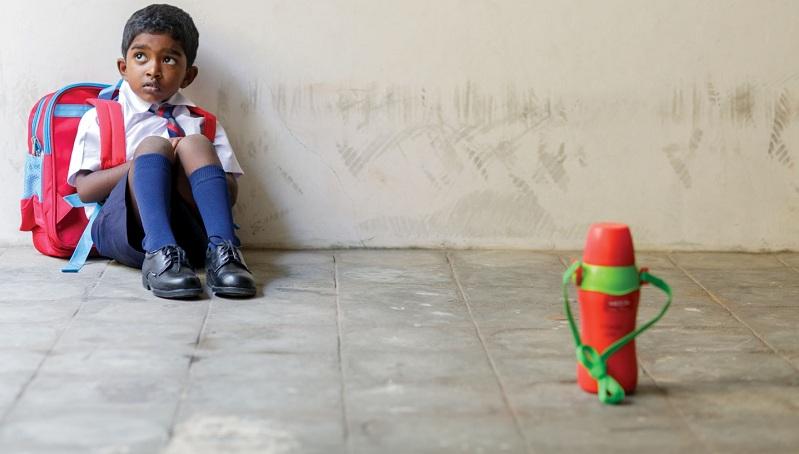
"Vineeth, a fifth-grader, was brought to my clinic because he was disinterested in studies and other school-related activities. He had undergone a complete medical check-up and a comprehensive Psychometric Assessment, which certified him as physically fit and having superior intellectual abilities. Counselling sessions revealed that Vineeth believed himself to be inferior to his classmates and his older brother because he felt that they were 'naturally talented' and excelled in both academics and sport. Vineeth considered himself the cause of disappointment to his parents and avoided participating in any competitive or fun-filled activity. To sum things up, Vineeth wasn't suffering from depression, but, in fact, had low self-esteem."
What is self-esteem?
'Self-esteem' refers to the thoughts, feelings, and opinions we have about ourselves. It is our evaluation of our own worth, but which may not take into account our actual talents and abilities. It is essentially our opinion of how we feel about ourselves.
Like adults, children also undergo a lot of stress attempting to match up to their parents' expectations. Nowadays, parents expect their children to excel in academics, co-curricular activities and sport. Children are even expected to appear well-groomed, be smart and possess a sense of humour to be popular among their peers. Children with low self-esteem have a hard time coping with such pressures. But, having a good sense of self-esteem gives children the courage to try new things and develop an outgoing attitude.
Motivation and success
Everyone requires an urge to try out new things, accomplish their goals and achieve success. This urge may be spurred by extrinsic factors - like praise, concrete rewards, and so on - or intrinsic factors - like belief in self. Many parents tend to believe that achieving success in school and having a high level of motivation to succeed leads to the development of a high sense of self-esteem in children. However, according to psychologists, it is the other way round. Children with a healthy sense of self-esteem are the ones who have belief in their abilities and make an effort to engage in goal-oriented activities.
So, self-esteem is essential for everyone to perform to their full potential.
Let's now address the issue of why children suffer from low self-esteem and how to overcome the problem.
According to Maslow's hierarchy of needs, every individual has various needs, which are as follows:
- Physiological needs, such as food, clothing and a comfortable home
- Security needs, such as living in a crime-free neighbourhood and having financial security
- A sense of belonging and emotional needs, such as getting love and appreciation from parents, and maintaining a healthy relationship with friends
- Esteem needs, such as achievement, confidence to succeed, and being respected by others
- Self-actualisation needs, such as creativity, spontaneity and problem-solving skills
Esteem needs such as achievement, confidence and respect cannot be fulfilled unless basic needs like physiological, security and belonging needs are met. In other words, a child whose basic needs are unmet and constantly feels inferior or unloved may suffer from a sense of low self-esteem.
Some reasons why children suffer from low self-esteem:
- Unhealthy eating patterns and disrupted sleep - unhealthy or tired children tend to lack confidence to face the world
- Unrealistic expectations set by parents without considering the child's aptitude, skills and passion make them feel incompetent
- Constant comparisons with siblings or friends which makes children feel that they aren't 'good enough'
- Voicing disparaging comments about children's physical features such as height, skin colour or tone of voice
- Punishing children and being overly critical of their achievement and behaviour
- 'Hyper-parenting', a phenomenon where the parent takes charge of a child's routine without giving him any opportunity to experience independence and autonomy. Children growing with helicopter parents have low self-efficacy and are extremely dependent on their parents. As a result, they tend to have a low level of self-esteem because they feel they are worthless without the support of the parent.
We are currently living in an age, where parents try to do the best for their children, from providing the best education to the best physical comforts; but, what is the point of it all, if children lack in confidence and suffer from an overwhelming fear of failure?
Since motivation and self-esteem are so intricately connected, isn't it time to restructure our motivational methods and get back to the basics? But, how do we go about doing that?
Here are some ways to bolster your child's self-esteem levels:
- Make sure your child stays well-fed and receives adequate medical attention when needed.
- Let your child follow a schedule for sleeping. Having an erratic sleep schedule often leads to disruptive behaviour.
- Despite all the family and financial stressors, always let your child know that your love for her is unconditional and is not connected to her achievements.
- Acknowledging, appreciating and saying words of encouragement are invaluable ways of developing self-worth in children. However, parents shouldn't overpraise or praise their child when he doesn't do well. Children can differentiate between being praised for genuine reasons and just for the sake of it. In future, when parents praise their child, he may wonder if the praise he is receiving is genuine or not.
- Allow children to make choices and give them age-appropriate tasks to increase their self-efficacy; this would help build their self-esteem and address their need for autonomy.
Healthy self-esteem comes through understanding and accepting one's strengths, limitations, and weaknesses. Therefore, let your child try out new tasks and encourage her to try again if she fails in her first attempt. Give your child the opportunity to learn from her mistakes. Remember, children are inherently motivated. So, bolster their self-esteem to enhance their motivation and watch them make you a proud parent!
About the author:
Written by Suchitra Seethapathy on 12 January 2018.
Ms Seethapathy is a psychologist, public speaker and special needs consultant.
Looking for fun ways to keep your preschooler engaged at home during the pandemic? Check out Little Learners at Home, a home learning programme specifically designed for 3 to 5 year olds by our team of experts.
For expert tips and interesting articles on parenting, subscribe now to our magazine. Connect with us on Facebook | Twitter | Instagram | YouTube
The Dot SEL program is dedicated to the concept of social-emotional learning for kindergarteners. The program emphasizes the importance of developing young children’s social and emotional skills such as self-awareness, self-regulation, and self-management. The SEL program helps LKG and UKG students cultivate pro-social behaviours in a supportive learning environment.






















Comments
Edit
Comment Flag
Cancel Update