
How children cope with death. How parents can play an important role in this situation
Malini Gopalakrishnan
Coping with the death of a loved one can be difficult, especially for children. Here's how you can help your child manage it
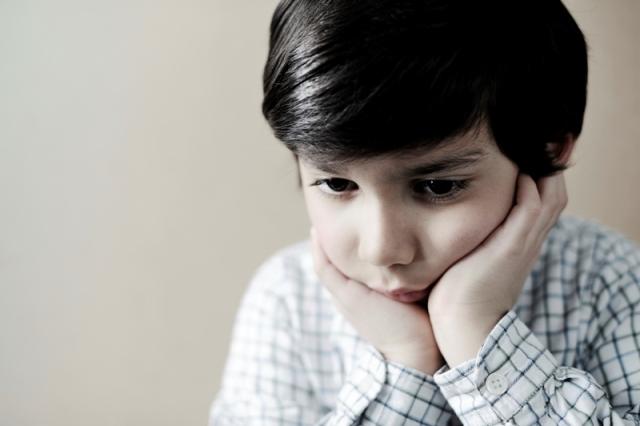
Children's response to death depends on various factors like the age of the child, how close the deceased was to the child, the cause of death and also whether the child has had prior experience dealing with loss. These general guidelines might help you understand the needs of grieving children better and enable you to help them cope with the loss of a beloved.
Pre-schoolers
Children aged 4 years and younger have no real concept of the finality of death. While babies and toddlers have no comprehension of it, they do tap into the emotional atmosphere around them. If the deceased was one of the primary caregivers, they will experience a sense of loss. This might lead to behavioural changes like the sudden development of separation anxieties, mood shifts, or changes in appetite. Small children become extremely clingy, for fear that anyone who walks out might not walk back in. Toddlers, on the other hand, might feel that the person will return after a while or wonder if he/she is experiencing pain/hunger/cold, etc. With children who are old enough to know such fears, explain as firmly as possible that death is irreversible. Only once the fact is accepted can healing begin. Avoid confusing them with euphemisms like 'she passed away' or 'we lost him'.
Ages 5 to 9
Children in this age group are better able to understand the finality of death. They understand that people, pets and living beings in general die at some point due to illness, old age or accidents. They just don't imagine that it might happen to them personally. Some children might also consider death as something that occurs only to the elderly or the aged. They might find it hard to come to terms with the death of someone younger, a parent or a peer. Children of this age group might also have a lot of questions pertaining to the physicality of death. How it happens, how painful it is, what happens to the body after death, etc. They might indulge in magical theories of the deceased coming back to life or a personification of death taking people away. Give them accurate information, which they will understand as to how the body stops functioning at a certain point. Also, this is a good age to share with them any religious sentiments or stories that you might have about death. Inviting them to participate in the final rites also helps gives them a sense of closure. If they do not want to participate however, don't force them.
Ages 10 and above
By the time children reach this age, they have a pretty sound understanding that death means the complete, irreversible and biological end of human life. While understanding is one thing, dealing with losing someone they love or care for is something else entirely. Children might go through an emotional upheaval of dealing with the fragility of life and philosophise over the meaning of death. Since they are at emotional crossroads, kids of this age might internalise their feelings. They might want to be more 'grown up' by acting outwardly brave. Share with them how you yourself feel, tell them how lost you are. In trying to shield them and being strong for them, parents often give children the impression that expressing grief is a sign of weakness. Hold them and hug them a lot, and keep asserting your willingness to listen to anything they want to ask or say.
Some helpful pointers
- A lot of children feel guilty when someone dies, probably because they feel they have inadvertently caused it. Helping them realise that death is not a punishment and that it is not in our hands to keep someone alive will enable them to cope better with the loss.
- Share memories and stories about the deceased, using his/her name.
- Don't offer them phrases like, 'he is in a better place' or 'she is smiling down at you'. Children are literal and might end up thinking the person will soon come back and do the same.
- Older children might not want to talk about their grief in the way that younger children do. Don't take it personally. Instead, give them some space to figure things out.
- Keep assuring them that nothing they did was responsible for the death and that they couldn't have prevented it in any way.
- Tell them that even though the person is gone, not everyone is going to die immediately too. Children crave a sense of security especially during trying times like these.
- Do not shield them unnecessarily. Often, children can handle more than we give them credit for. You cannot put off telling the truth forever and it is better that they hear what happened directly from you rather than gather half-truths from others.
- Listen carefully to what they say. Children will be full of questions and thoughts - hear them out patiently.
- Understand that each child reacts differently and that there is no right or wrong way to grieve.
Danger signs
While most youngsters adapt to situations faster than the average adult, sometimes grieving becomes exceptionally hard for children. In such a case, a therapist can help. While children might not be able to express all their feelings to their parents, a complete stranger might be what they need. Here are a few signs that your child is not coping with the loss:
- Sudden bursts of aggression and anger
- Difficulty talking about the deceased even after considerable time has passed
- Loss of sleep or sleeping too much
- Drastic changes in appetite
- Withdrawing from social interactions and avoiding people
- Difficulty concentrating in class and marked change in academic performance
- Frequent complaints of physical discomfort like pain in the stomach or headache
Children and teenagers often express their grief in various ways. It is up to us, as parents, to do all we can to ensure that they receive love and emotional support so that their apprehensions about death can be removed.





























Comments
Edit
Comment Flag
Cancel Update