
Engaging yet entertaining activities to help your child learn this summer vacation
Susan Philip
Here are some great ideas to engage, entertain and enrich your children and make the long, hot summer vacation turn into a great learning experience for them
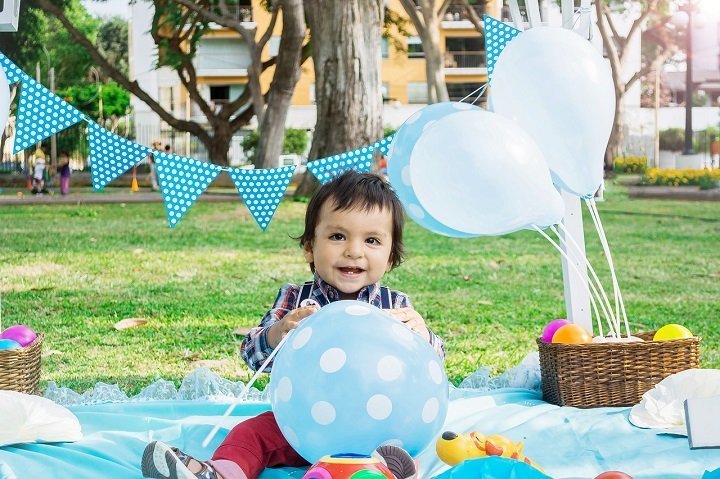
When schools close for the summer, children's spirits soar along with the temperature. But more often than not, parents' spirits dip correspondingly at the thought of entertaining their children and keeping them engaged through the long weeks. Not every child may go to a summer camp. But you can teach various skills to your children and keep them entertained at home with a combination of short-term and long-term, age-appropriate activities.
Pre-schoolers (From 2 to 5 years)
Wild with delight
Most young children love animals. Take your child for visits to the zoo and aquarium. Let them watch wildlife 'live'. If there's no zoo nearby, visit the local park and point out squirrels, chameleons, birds, ants, and different plants and trees. Talk about the animals' habits and the plants' special qualities. Take photos of your child at the zoo or park and print them out. Collect fallen leaves and flowers, and press them. Make a scrapbook out of these. Your child will love looking at it over and over again.
Key learning points:
- You will be nurturing a lifelong liking for nature in your child.
- Your child will better understand subjects like biology and zoology in school.
Chuck it!
Collect some buckets and place them in a line, one behind the other. Get your child to stand at a comfortable distance and ask them to throw a softball into the nearest bucket, then the one behind that, and so on. As they get better at this task, you can make it more challenging by putting the buckets on stools, each a little higher than the other, or placing the buckets further apart.
Key learning points:
- Hand-eye coordination skills are still in the development stage in preschoolers. This game will help enhance those skills.
- This game will make your child better at games like basketball.
The roll of the dice
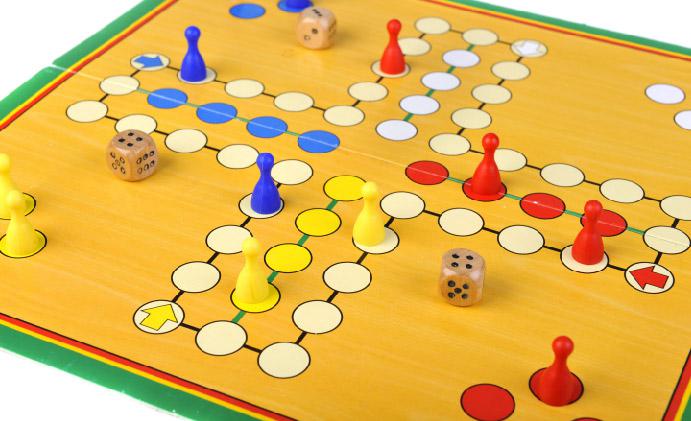
Even young children can enjoy simple board games like Ludo and Snakes and Ladders if adults play alongside them.
Key learning points:
- Board games teach your little ones to follow the rules and accept the act of winning and losing as part of life.
- With each roll of the dice, count the moves out loud. Children will learn to count this way.
Primary Schoolers (From 6 to 10 years)
Read along
Primary school is the right age for children to read by themselves, and the summer vacation presents the perfect opportunity. To start your little one on their reading adventure, get some audiobooks. By listening to the audio while following the text, they'll soon be able to read comfortably by themselves.
Key learning points
- No one who loves reading can be bored or lonely for long. You will give your child a valuable gift by inculcating their reading habit.
- Reading will enhance your child's vocabulary and spelling skills.
Flag it
Find pictures of the flags of a few countries. Help your child to match the flags to the country. Gradually add to the list until they are familiar with the names and flags of many nations. Motivate them to maintain an album of countries and their flags. You can also help them spot details like the capital and currency of those countries.
Key learning points
- This activity will make your child aware of other countries and instill in them a desire to learn more about them. Geography and history classes will be more interesting because of this activity.
- Your child may begin to like quizzes.
Verse for the day
The long summer vacation is a good time for your child to memorise passages from a religious text of your choice. Make it a game. Pick a verse or sloka for each day, and learn it with them. Try to recollect the passages learned earlier as well.
Key learning points
- This activity builds memory.
- Passages from religious texts will guide your child on how to deal with life's temptations and stresses.
Preteens (From 11 to 14 years)
Cook it up
Let your child help you whip up some simple dishes like sandwiches or salads. Let them roll out rotis, beat eggs, and measure out milk and water to make tea. Gradually move to more complex dishes, but ensure that the stove, knife, and mixer-blender are used only under adult supervision.
Key learning points
- Cooking is a valuable life skill.
- Children will learn how to measure and divide ingredients by default according to ratio and proportion.
Skill up
Use the summer vacation to introduce your child to a new skill. Let them learn music, salsa, swimming, skating, or anything else of their choice.
Key learning points
- Learning new things extends your child's horizons. They will discover their latent talents.
- Your child will make new friends in the process.
News Digest
Collect short newspaper articles on a range of subjects, including those your child is especially interested in, and help them file them. Slowly get them to make their own choices from newspapers and magazines. Look through the file at the end of each week, and discuss developments and crucial stories.
Key learning points
- Your child will be introduced to domestic and international affairs.
- Your child will learn to form and articulate their opinions.
Teenagers (15 years and above)
At this stage, your child may not always appreciate being told what to do. So, involve them in the decision-making process. Also, factor in downtime when they are free to do anything or nothing.
Smart class
Enroll your child in an online course. There are many options available online, from learning a computer language to learning the guitar. Go with their instinct.
Key learning points
- Your child will learn to take responsibility for their own learning process.
- An additional skill outside their regular curriculum can prove to be beneficial at a later stage.
Nose for news
Start a neighbourhood weekly children's newspaper. Get children to cover local events such as exhibitions and write about civic issues. Include a creative corner. After an adult edits the articles, print out as many copies as the number of contributors.
Key learning points:
- Your child's language skills will be boosted.
- Children will become more aware of their immediate environment and get involved in community welfare.
Giving back
Find out if your child can volunteer at a local charity or participate in a clean-up campaign. If these options are not available, get them to coach another child who needs help in a subject they are good at.
Key learning points:
- Your child will learn the importance of giving back to society.
- These activities will mold your child into becoming a caring human being.
With careful planning and execution, the summer vacation will be over before you know it, and your child will step into the new academic year enriched by new experiences.
























Comments
Edit
Comment Flag
Cancel Update