
Laugh Your Way To Better Health. How Laughter Therapy May Work Wonders For Parents And Kids
Team ParentCircle
ParentCircle empowers parents to raise successful children through holistic parenting.
Want to improve your family’s physical and mental health? Try laughter therapy!
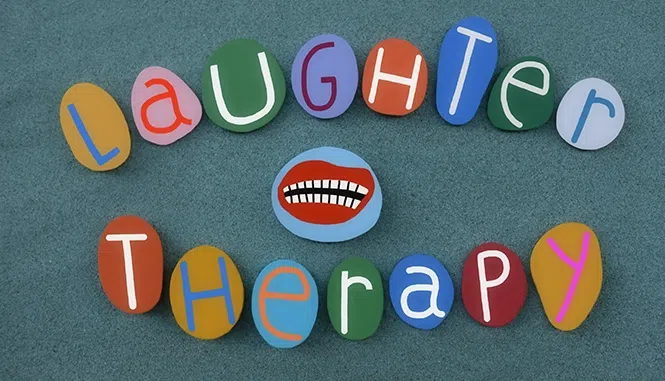
Laughter has always been regarded as one of the most effective medicines, and in recent years, laughter therapy has emerged as a popular method of harnessing the healing power of laughter. This therapy involves exercises in intentional laughter that can help to reduce stress, improve mood, and improve overall health and well-being. Laughter therapy is now recognized as an adjunct treatment to traditional medical treatments for a variety of illnesses and diseases.
The demands of raising children, managing a household, and maintaining a career can easily overwhelm and stress a parent. The constant juggling of responsibilities can be detrimental to one’s physical and mental health, resulting in exhaustion, anxiety, and even depression. Laughter therapy can help in this situation.
Laughter therapy can benefit not only parents but also children. Children, like adults, experience stress and anxiety, and laughter therapy can be a fun and effective way to help them cope with these emotions. Let’s look at the science of laughter therapy and its numerous benefits for both parents and children.
How laughter therapy can help parents
Laughter therapy is based on the physiological changes that occur in the body when we laugh. Endorphins, the feel-good chemicals that help to reduce stress and pain, are released by the brain when we laugh. Endorphins can improve parents’ moods and provide them with a sense of well-being. Laughter also causes the release of dopamine, a neurotransmitter responsible for pleasure and reward.
Aside from these chemical changes, laughter therapy has been shown to improve the immune system. Laughter increases the production of antibodies and activates immune cells, which can aid in the fight against infections and diseases.
Furthermore, laughter therapy has been shown to lower the levels of stress hormones in the body, such as cortisol and adrenaline. These hormones are linked to the “fight or flight” response, which can result in an increased heart rate, high blood pressure, and other negative physical effects. Laughter therapy can help lower blood pressure, improve circulation, and lower the risk of heart disease by reducing these stress hormones.
Laughter therapy can help parents by giving them a way to cope with the stresses of parenting. It can also help change their perspective and lift their spirits, making it easier to deal with difficult situations. Laughter therapy can even improve mental health by alleviating symptoms of depression and anxiety.
Laughter therapy has an effect on the brain, particularly the prefrontal cortex, which is in charge of decision-making and social behavior. Laughter therapy has been shown to improve cognitive function, strengthen social bonds, and increase empathy and compassion. Laughing with your children can improve family communication and relationships. Laughter therapy can also be used as a social activity to combat feelings of loneliness and isolation.
Benefits of laughter therapy for children
Laughter therapy is especially beneficial for children because it promotes health and well-being in a fun and enjoyable way. Children who participate in laughter therapy may experience improved mood, social skills, and overall health.
One of the most important benefits of laughter therapy for children is its ability to alleviate stress and anxiety. Laughter causes the release of endorphins, which can aid in stress reduction and relaxation. This can be especially beneficial for children who are anxious about school, family issues, or other challenges.
Laughter therapy can help children improve their social skills. Laughter is a social activity, and participating in it with others can help children bond and form relationships. Children who participate in laughter therapy may develop a better sense of humor, which can help them interact with others and form positive relationships.
Family laughter therapy techniquesThere are numerous techniques that families can employ to incorporate laughter therapy into their daily routine:
Laughter therapy is an effective tool for promoting your family’s health and well-being. So go ahead and laugh your way to good health! |





























Comments
Edit
Comment Flag
Cancel Update