
The media and body image: A practical guide for parents on how to help teens navigate their insecurities
Parul Agarwal
Many teens often develop a negative body image and struggle with insecurities. This article explains how to help them build a positive body image
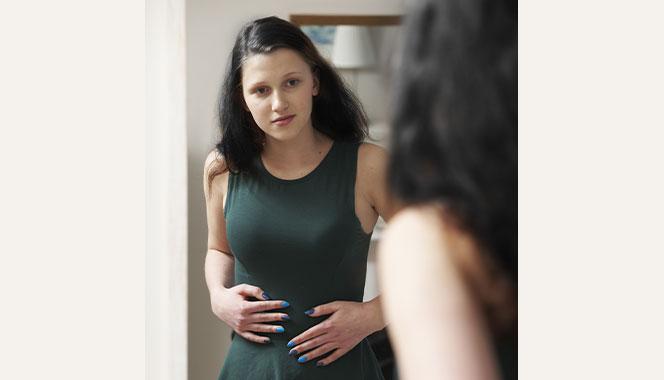
Puberty is synonymous with developmental changes. It is characterised by the maturing of sex organs, the growth and development of other organs, and emotional and psychological changes. During this period, being unable to understand the effect of pubertal changes on their bodies and minds can make children feel lost or confused. Also, these changes amplify the sense of awareness about appearance and make children conscious of how they look. Their feelings about their bodies ultimately determine children's perception of their own bodies or body image. Apart from the self-perception of their body image, there are other factors that influence body image issues of children. Let us analyse them.
Influence of media
What adds to the sense of bewilderment during puberty is incomplete or inaccurate information gained from conversations with friends and through social media platforms. Also, nowadays, mainstream media- newspapers, fashion magazines, websites, movies, and television channels- is full of advertisements for beauty products targeting almost every part of the body. Most of these advertisements create an illusionary image of a desirable body type, which triggers feelings of self-objectification.
A study on this topic titled, 'The Role of Self-Objectification in the Mental Health of Early Adolescent Girls: Predictors and Consequences,' conducted by Tiggemann and Slater in 2015, was published in the Journal of Paediatric Psychology. It looked at self-objectification and its relationship with dieting and depressive symptoms in adolescent girls. The study highlighted the fact that reality shows, teen dramas, music videos, soaps, and teenage magazines encouraged the objectification of women. It also found that literature available on the widely-accessed Internet influenced the perception of many girls about their body image. However, the study revealed that appearance-related conversations with friends had the greatest impact on teenage girls. The study concluded that girls engaged in media consumption and appearance conversations were more likely to self-objectify themselves and suffer depressive symptoms.
Influence of parents
Besides the impact of friends and media, parenting practices also play an important role in how children view their bodies. Parental conversations about body weight, skin colour, diet, and exercise regimens all influence children's perception of their body image. Especially for children with precocious or delayed puberty, the guidance and support of parents is essential. Otherwise, they may develop psychological issues.
In the Indian context, there are several belief systems that stress upon the appearance of girls. These belief systems play a significant role in shaping the parenting style of Indian parents towards girls. As a result, girls become more conscious and critical of their body image than boys.
Boys and body image issues
Boys also harbour worries related to body image issues. In India, only limited research has been conducted on boys and body image. One such study titled, 'Correlating body image issues and alcohol usage in macho India,' was conducted by Cavale, Singh, and Gupta in 2014 and published in the Delhi Psychiatry Journal. The study found that men with negative body image suffer from low self-esteem and, therefore, choose to drink alcohol. Also, a study of the relationship between body image and body dysmorphia found that boys were concerned about being thin and desired to look muscular. They were also concerned about scars on their bodies, the thinning of hair, and the size of their genitals. Toys with muscular bodies, such as He-Man and G.I. Joe, impacted boys' perception of what a body must look like from childhood.
With so many misleading messages being relayed about body image, how can you help your child?
Parental support
Think about how audiovisual and print media advertisements encourage a person to get the perfect body. A careful analysis would reveal a determined effort to first create dissatisfaction about one's appearance and then offer a perfect solution in the form of a product. Almost all the advertisements show images of happy users of products that promise to enhance a person's appearance. Such advertisements go a long way in shaping the perception of body image in teens. So, as a parent, how can you limit the impact of such advertisements on your teenage child?
- Help your child understand and focus on what really makes them happy.
- Talk about their hobbies, like playing a musical instrument or their favorite sport, encourage them, and ensure that they actively engage in them.
- Lead by example. Be a part of gatherings and engage in activities that add meaning to your life, like meditation sessions, book readings, gardening, or cooking. Looking at you would help your child connect with themselves, boost their confidence, and make them happy.
- Explain to your child that, in real life, celebrities do not look like how they appear in the images we see around us. Tools such as Photoshop are used to create the perfect body image of celebrities. Talk about how a healthy diet and exercise affect our bodies and research with your child their favorite celebrity's lifestyle. Speak to a family friend who practices nutrition or medicine or someone you both identify as a person who practices healthy living for advice - both for the physique and the emotions.
- Be open to discussing and reasoning your child's behavioral patterns that may be unhealthy for them. For example, share facts with them about how sleeping late is not a healthy practice.
- Talk openly about qualities that you admire in your child and pay them compliments like, "You are so funny, I love your jokes." Remember that the teenage years are a period of trying to build new connections and expanding social circles outside the family. Talk about qualities that one looks for in a suitable partner and factors that make a person look attractive, such as being humorous, caring, helpful, and a good listener.
- Your teen will likely get secretive and turn to their peers for guidance and support. This could be a massive shift from their earlier self where they bared their heart to you. Share your feelings of concern about such a situation by saying, "I miss us talking about your day, do you?" or "I trust you, and yet I am scared that you may not get the guidance you are looking for."
- Make them realize that their opinions matter; this is a great way to engage your teen. Ask them to share their opinion about something and listen to them, and then ask them if they'd be open to listening to you as well. Give them a choice. Respect their need for independence and be respectful of the choices they make.
By helping your child develop a positive body image, you will not only teach them to bond deeply with themselves but also respect and love themselves more. Now, aren't those true indicators of healthy development?























Comments
Edit
Comment Flag
Cancel Update