
FEATURED
How To Raise A Good Listener: 4 Practical Tips To Build Listening Skills
Dr Priscilla J S Selvaraj
Good listening starts early! These 4 simple tips will help your child become more attentive, respectful, and responsive—both at home and in school

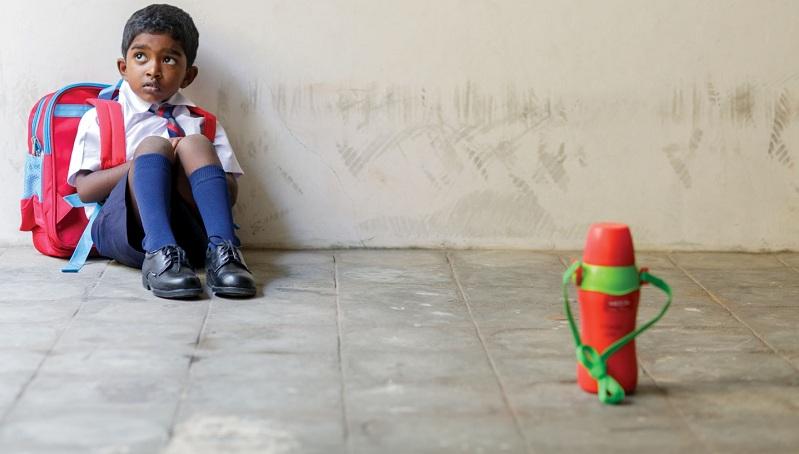
Your primary schooler's continuous chatter might impress you. But when they find it difficult to focus on what is being told to them, it would certainly worry you, wouldn't it? Well, you need to remember that it is essential to hone their listening skills.
Fine-tuning your child's listening skills will serve as the platform for the development of the other three language skills, namely, speaking, reading, and writing. It is efficiency in these skills that will determine their ability to communicate effectively throughout their life. So, whether it is listening for basic comprehension, auditory discrimination, focused listening, critical listening, or empathetic listening, you need to encourage your child to pay attention to what is being told to them.
Here are some tips to help you:
1. Read or narrate stories: Is there a better tool other than stories to get your child to focus and listen? Certainly not! You can tell stories, not just at bedtime, but even during your leisure hours. While narrating stories, intersperse them with questions about the characters, the place, and the plot. Such questioning will help engage them in 'active' listening and not merely superficial listening. You can also prompt them to ask questions. It will fine-tune their critical listening skills, as they will become involved in the story.
2. Have conversations: When you have one-to-one conversations with your child, it will provide a lot of scope for listening. Research has shown that listening begins from the womb. Even the foetus can listen to sounds. That is why it is recommended that parents talk and bond with their baby in the womb.
In the digital era that we live in, there is less verbal interaction at home. Put those gadgets away and spend time talking to your child. Ask them about their day at school, and share with them interesting snippets from your day at work. This will encourage them to listen well. Also, keep in mind your child's attention span. It is quite limited. So, avoid lengthy discussions or boring lectures. Do not have monologues with your child. Instead, encourage dialogues. Otherwise, your child won't be able to pay attention, and their mind will wander off.
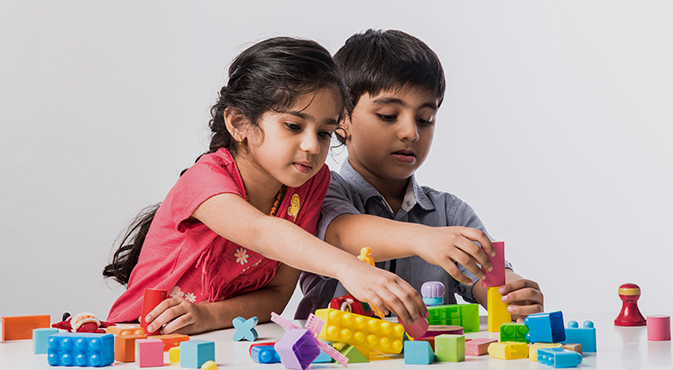
3. Engage in fun activities: Board games, cookery, and party games involve instructions. When you engage in such activities with your child, it will ensure that they listen carefully to the instructions and carry them out. These activities will come in handy in integrating the development of listening skills in real-life scenarios, and that too with an element of fun. When it comes to activities, don't forget listening to songs, sing-alongs, and karaoke. Music can be a great tool to hone your child's listening skills. Games such as 'Simon says' or 'Passing the secret' will also help develop your child's listening ability.
4. Be a role model: If you don't listen to your child when they address you or you keep interrupting when someone else speaks to you, how can you expect your child to pay attention to you? Bear in mind that teaching your child a skill begins with you. Your child will emulate what you demonstrate. So, set an example by paying careful attention when you are engaged in conversations. And, remember, you cannot pretend to listen. Be an 'active' listener, involving your eyes, ears, mind, and heart.
"I like to listen. I have learned a great deal from listening carefully. Most people never listen," said the American novelist Ernest Hemingway. Do you want your child to be like this great writer or like the 'most people' who never listen?
Discover the comprehensive Dot language and communication program for kindergarten that cultivates essential listening and communication skills through fun activities.

























Comments
Edit
Comment Flag
Cancel Update