
Uncontrollable Anger In Children: Causes, Warning Signs, And Effective Parenting Strategies
Arun Sharma
Anger outbursts in children can be worrisome. Learn the causes of child anger, warning signs, and practical ways to help children manage anger healthily
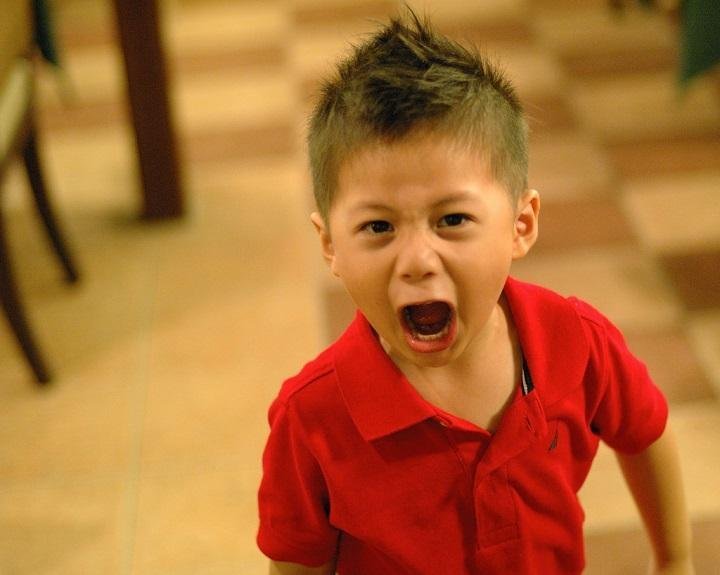
Five-year-old Rahul was trying to put together a picture puzzle when his two-year-old brother walked into the room and picked up a piece of the puzzle. Disturbed and angered by what his brother had done, Rahul first screamed and then hit the little boy so hard that he fell to the floor and bumped his head against it.
It was exam time, and 14-year-old Smriti was watching a TV show. Annoyed by Smriti's careless attitude towards studies, her father walked up to the TV and switched it off. Then, turning towards her, he sternly told her to sit down to study. What happened next left the family shocked. Smriti hurled the remote onto the floor. Then, she lashed out at her father, telling him that both he and her mother should stop telling her what to do.
Understanding anger in children: When is it normal and when is it not?
Does reading about how Rahul or Smriti behaved remind you of your child's behaviour? Do your child's angry reactions make you feel that such behaviour isn't normal? Do you worry about how to deal with the issue and set things right?
Why do children get angry?
Children become angry when they are:
- Unable to manage stress.
- Subjected to physical or sexual abuse.
- Emotionally abused, for example, yelled at, or not allowed to express themselves.
- In a family where members have poor control over anger.
- Overcome with feelings of jealousy, loneliness, and poor self-confidence.
- Experience inconsistent parenting, each adult has their own expectations, rules, and consequences.
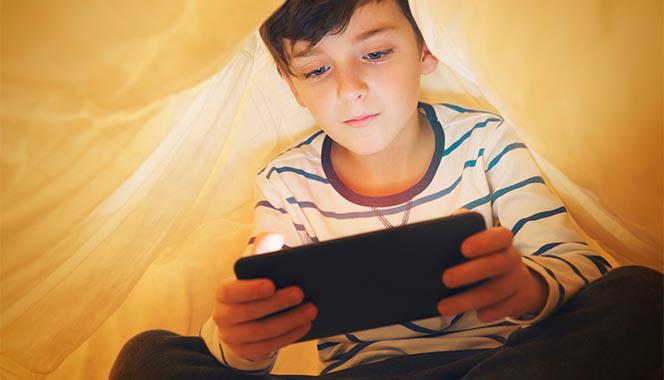
- Exposed to violent content in the media.
Signs of uncontrollable anger in children
Children who have issues with anger experience levels of anger that are more than they can handle. Some of the signs are:
- Unable to control meltdowns or anger outbursts
- Easily angered and remain angry for more than 30 minutes
- Indulge in self-harm, occasionally or frequently
- Getting angry when others can't understand what they want to convey
- Defiance and aggression, not only with children but also with adults
- Stubbornness and refusal to listen to what is being told
- Using foul language when in a bad mood
- Throwing or breaking items when irritated
- Preoccupied with taking revenge
- Expressing hatred towards others
- Trying to change the rules of a game when losing
- Blaming others for their problems
Signs of passive-aggressive behavior in children
Some children do not react overtly in anger, but use resistance to express their disapproval. Some of the ways children express passive anger are:
- Deliberately delaying, for example, turning up late at mealtimes
- Provoking others through their actions
- Not following instructions properly
- Intentionally allowing a problem to escalate
- Not responding when addressed
- Showing insensitivity to others
How unmanaged anger affects a child’s well-being
While managing anger well can bring about positive changes, unmanaged anger can prove extremely damaging to a child. Some of the destructive effects of unmanaged anger include:
- Issues in school
- Problems with eating and sleeping
- Headaches
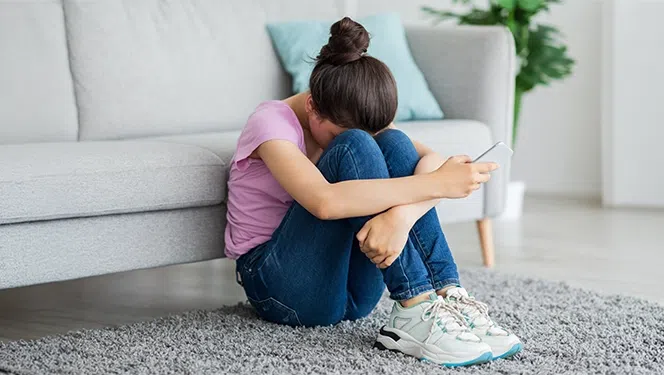
- Depression
- Self-harm
- Risky behaviour
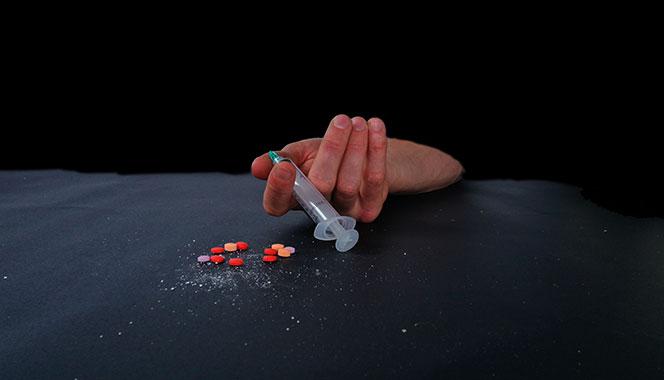
- Issues with addiction
How parents can help children manage anger
Model remaining calm
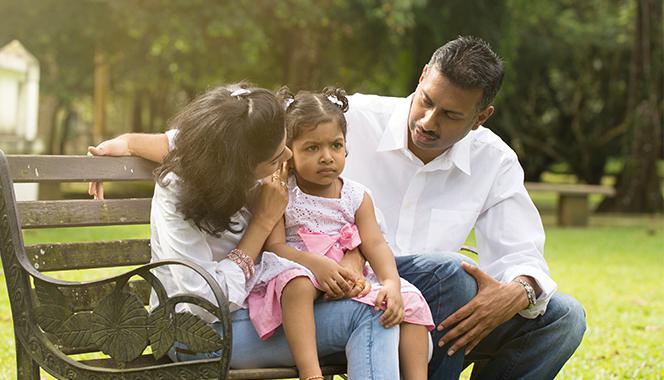
When parents react in anger, they inadvertently tell their child that angry outbursts are acceptable. Tell yourself that getting angry won't help. Then, do whatever it takes to calm yourself, so that your child sees your calm. It helps reduce the fear of a reaction from you.
Distract your child
When you notice that your child is reaching a point where they're going to have an anger outburst, diffuse the situation by redirecting their attention elsewhere. For example, ask them to go and drink a glass of water to calm themself down.
Teach simple anger-control techniques
Not teaching a child anger-control techniques, but just telling her to control their anger, can sometimes make a child feel angrier. Most parents forget to tell their child how to control anger. Teach your child techniques like taking three deep breaths before reacting when angry, or give them a squishy ball that they can squeeze when annoyed.
Build empathy through reflection
Show your child how to be empathetic by asking them to reflect on how their angry actions hurt someone. In the case of Rahul, his parents can tell him how his anger hurt his little brother.
Stay involved and identify triggers
Observe and then talk to your child to understand if something is bothering them. Help them open up to you by saying, " You seem to be upset about something." Not only will this increase communication between the two of you, but it will also make them feel seen and heard. It will also help you understand what triggers your child's anger.
Be consistent with rules and consequences
Parents and caregivers must be consistent in their approach towards the child. Ensure that you follow through with the consequences to prevent the child from hurting someone when angry. And, don't do something that may cause the child to become angry.
Why professional support may be necessary
Ask yourself these questions:
Does my child calm down within a reasonable time after getting angry?
Are anger outbursts becoming more frequent or intense?
Does my child hurt others, themselves, or damage property when angry?
Do I respond consistently or do my reactions change based on stress or mood?
Have I taught my child how to manage anger, not just told them to stop?
If you answered “yes” to several questions, your child may need more structured support to manage anger.
How the child has developed such anger matters a lot. Sometimes parents exhibit a lot of anger at home, and the child learns from them or others around.
The habit of getting angry can lead to a lot of problems at home, in school, and later in life where they may exhibit road rage or problems at the work place.
If a child has uncontrollable anger, it means there is something abnormal happening with the child. So, it is very important that professionals, like psychiatrists or counsellors, monitor the child to make sure that she is not going through any abnormal process. Also, parents should not exhibit anger in front of the child. They should curb any feature of anger or irritation that will affect the child. - Dr Ravi Samuel, Psychologist
In short, children’s anger often signals stress or unmet emotional needs. Calm parenting, consistent rules, and teaching coping skills can help children manage anger healthily.
Children with extreme anger can react at the slightest provocation. Parents and others around such children need to learn strategies to help the child manage the anger. However, if parents feel that they can't handle their child's anger issues, it is wise to seek professional help.
When to seek professional help
Consider consulting a child psychologist or a professional counselor if your child:
Has violent or uncontrollable anger outbursts that don’t reduce with guidance
Shows signs of self-harm, extreme aggression, or constant rage
Remains angry for long periods and struggles to calm down independently
Has anger that interferes with school, friendships, or family life
Has a history of trauma, abuse, or significant emotional stress
Early professional support can help identify underlying causes and equip both parents and children with effective coping strategies.
Quick parent checklist: Helping a child with anger issues
Use this as a gentle guide, not a test, to reflect on your daily responses:
☐ I stay calm when my child is angry, even if I feel triggered
☐ I try to understand what my child is feeling, not just how they are behaving
☐ I set clear and consistent boundaries around aggressive behaviour
☐ I model healthy ways of expressing frustration at home
☐ I help my child name their emotions instead of dismissing them
☐ I teach simple anger-management tools (deep breathing, taking a break, squeezing a stress ball)
☐ I avoid shouting, threatening, or shaming during angry moments
☐ I watch for patterns or triggers behind my child’s anger
☐ I talk to my child when they are calm—not in the heat of the moment
☐ I seek professional help if anger feels intense, frequent, or overwhelming
Remember, anger is not the problem—how it is expressed is. With patience, consistency, and support, children can learn to handle big emotions in healthier ways.
What parents can do right away
Model calm behaviour, even during conflicts
Name emotions: “I see you’re angry” instead of “Stop behaving badly.”
Teach simple anger tools like deep breathing or time-outs for regulation
Maintain consistent rules and consequences
Create a safe space for your child to talk about big feelings
Helping a child manage anger isn’t about eliminating the emotion. It’s about teaching them safe, respectful ways to express it.
Exploring the causes of behavioral problems in preschoolers
Last updated on: December 24, 2025



















Comments
Edit
Comment Flag
Cancel Update