
7 Serious Effects Of Verbal Abuse On Children And What You Can Do To Stop It
Ashwin Lobo
If you think that yelling at your child, calling him names, or being aggressive in your criticism is harmless, you are wrong. Here are seven ways verbal abuse adversely affects your child.
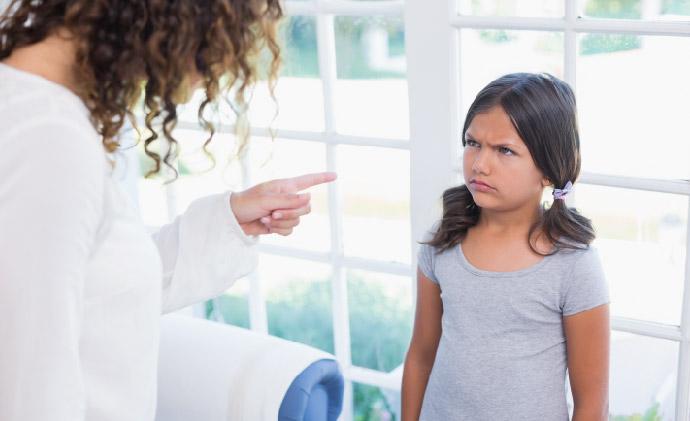
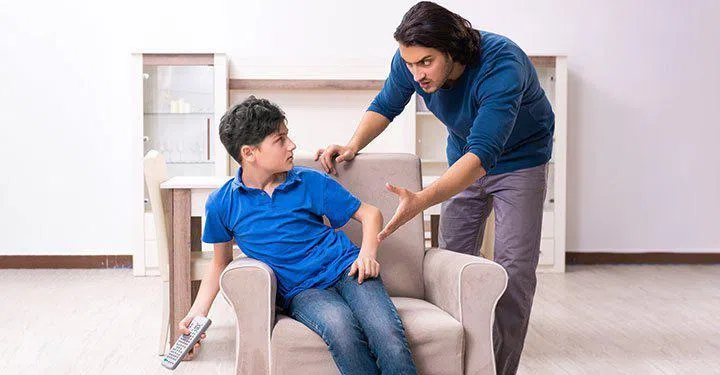
Verbal abuse is the use of harsh and hurtful language while communicating with people. Bad words, swear words, abusive words, hurtful words, negative labels, and put-downs are aggressive in nature. Verbal abuse is associated with the following behaviors:
- Insulting
- Yelling
- Nagging
- Criticizing
- Belittling
- Undermining
- Swearing
- Threatening
Most parents know that physical punishments such as hitting, pinching, slapping, etc. can leave a child feeling hurt, scared, and angry. But do parents know that verbal abuse is just as devastating for a child?
For instance, some parents often rationalize verbal abuse by saying, "If my child's behaviors, attitudes or perceptions were different, I wouldn't have cause to criticize or nag him." This way, they deflect the blame of their abusive behavior onto the child. In doing so, not only do they emotionally harm their child but also, damage the parent-child relationship.
The scars left behind by verbal abuse during childhood can have serious repercussions throughout a child's life. Here's how verbal abuse affects children:
- Changes the developing brain: The environment in which a child lives determines how her brain develops. When a child grows up in a safe, attentive, and nurturing environment, she grows up to be emotionally stable. However, a child in a hostile, unsupportive or abusive environment experiences stress, which adversely affects brain development. This fact is corroborated by the study, 'Childhood maltreatment is associated with reduced volume in the hippocampal subfields CA3, dentate gyrus, and subiculum', by Teicher et al published in the journal Proceedings of the National Academy of Sciences ( 2011). According to the study, verbal abuse-induced stress during childhood can reduce the number of neurons in the hippocampus - the part of the brain concerned with emotional regulation. This suggests that the harm wrought upon a child by verbal abuse alters the structure of the brain.
- Destroys self-confidence: Constant nagging, yelling, and belittling can lower a child's self-confidence. Frequently telling a child that he is 'not good at anything' can make the child believe after some time that he really is 'good for nothing'. This can make him lose faith in his abilities, and hesitate to engage in new activities. For example, if a child is constantly told that he is stupid, he will begin to believe this is to be true and will perform poorly across all aspects of life. But, if parents remain supportive even when he fares badly, he will improve with time.
- Gives rise to inferiority complex: A young child is trying to understand who she is and find out her place in the world. So, it is very important that she be allowed to explore and experiment. However, when adults regularly belittle or insult a child, she begins to believe that the only reason elders are being harsh with her is because she isn't good enough. Over time, this thought leads a child to develop an inferiority complex and believe that she will never be good enough and that her peers are better than her.
- Increases the chances of substance abuse: A child who is verbally abused over a prolonged period internalizes the criticisms and judgments and carries the pain felt from abuse into adulthood. In the absence of supportive adults in an abusive household, the child looks for ways he believes will relieve the emotional pain. Thus, he becomes vulnerable to substance abuse, anti-social behaviors, and runs the risk of severe mental illness.
- Leads to depression: Repeated verbal abuse, including harsh criticisms, is likely to make a child very critical of herself. This can lead her to feel disillusioned, become withdrawn and isolated, and indulge in self-harm. These are classic symptoms of depression, with the eventual risk of harboring feelings of worthlessness, and a feeling that life is not worth living.
- Affects physical health: While it is obvious that verbal abuse affects a child's mental health, it also has serious effects on physical health. A child who is a victim of verbal abuse is at risk for unhealthy food and sleep habits, poor hygiene and self-care, lethargy, and fatigue.
- Increases abusive tendencies: An adult who has been a victim of persistent verbal abuse in childhood is more likely to grow up and become abusive himself. As a result, he is likely to be abusive in her relationships and towards his children. Thus, the cycle of abuse passes on through generations, unless it is arrested with timely intervention.
Here are a few tips to help you stop being verbally abusive:
1. Reflect on your experiences: Think about why you may be using verbal abuse and how it may be rooted in some of your life experiences. How were you influenced or impacted by people and situations around you? You could begin to realize why you tend to be verbally abusive.
2. Break the vicious cycle: No matter what your experiences have been while growing up, you have a choice now to break the cycle of verbal abuse. Knowing the ill effects it has on you and your child, you have the power within you to either help yourself or seek professional help. You deserve to heal from the verbal abuse you may have been exposed to.
3. Learn to communicate with Respect: Anger is a normal response in certain situations. But if you want to resolve those situations, take as much time as you will need to calm yourself and let the anger reduce to manageable levels. A calm mind brings out a calm tone of voice, which automatically prevents you from using harsh and hurtful words. When you don't use hurtful words and comments, you make your child feel respected and loved.
So, do not dismiss verbal abuse as 'words' that you think won't hurt your child. On the contrary, it can severely impact your child's emotional health, social skills, and cognitive abilities. Therefore, take the time to introspect upon your behavior. Then, make a conscious decision to replace the verbal abuse with respectful communication.

























Comments
Edit
Comment Flag
Cancel Update