
10 Safety Rules For Children To Follow At School: Must-Know Guidelines For Parents
Aruna Raghuram
From body safety and bullying to emergency preparedness, discover 10 essential school safety rules every child should know. Learn how parents can teach school safety habits and help children stay safe, confident, and aware
- 104.6K
- 2
- 1
Why school safety is a shared responsibility
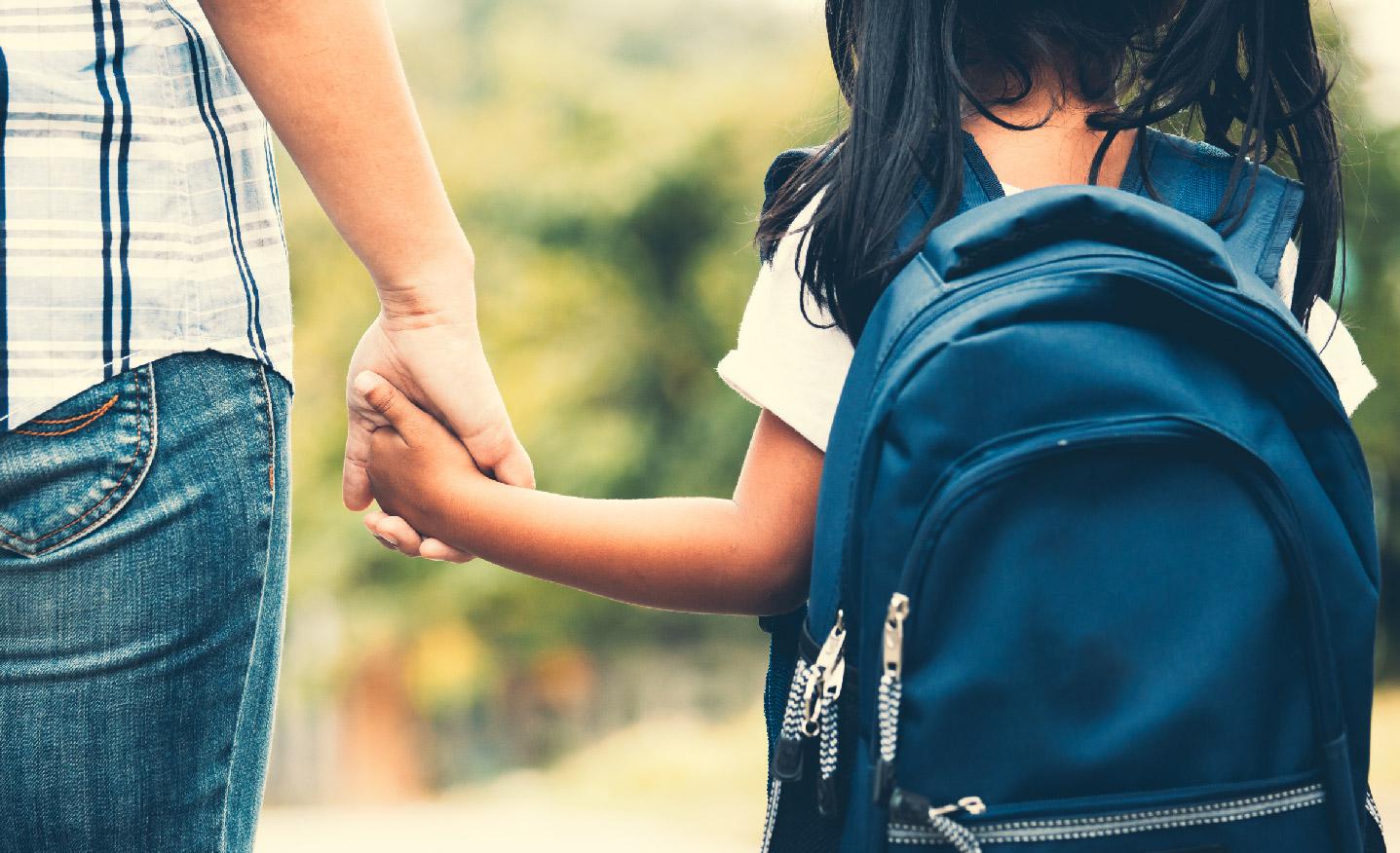
One of the most difficult truths about being a parent is that you can't always protect and take care of them. So, when you drop your child off at school, you entrust their safety and care to the teachers and the school staff.
While the onus is on schools to prevent unfortunate incidents and provide a secure and nurturing environment, parents can help children stay safe by teaching them age-appropriate safety habits without scaring them.
Here are 10 safety rules at school that help keep students safe from playgrounds to classrooms and even the school bus.
What parents should check before choosing a school
Before you teach your child safety rules, you must ensure that their school has adequate safety measures in place.
Some of the safety rules that every school should implement include CCTV cameras on campus, safe bus transport, proper medical facilities, proper monitoring of vulnerable areas like washrooms, efficient visitor management systems, and background verification of teachers and staff hired by the school.
In fact, one of the Central Board of Secondary Education (CBSE) guidelines for schools is that non-teaching staff, such as bus drivers, conductors, peons, and other support staff, be employed only by authorized agencies.
Parents must also find out whether the school building is safe and has proper fire safety equipment. In addition, they should check if the school adheres to an anti-bullying policy and adopts measures to protect children from all forms of abuse.
The school staff should be made aware of any health concerns the child may have, including allergies and emotional issues.
10 school safety rules every child should know
1. Memorize contact details
- Ensure your child remembers their full name and address, parents' names, and the emergency phone number.
- Have them memorize a backup phone number to call—a grandparent, uncle, or aunt, who could help if the primary numbers aren't responding.
- Explain why they must not share their contact details with anyone, and information such as the school they attend, where they live, and their age.
2. Never wander outside school premises
- Tell your child firmly that they should never leave the school premises unattended.
- For instance, children may get engrossed in play and wander outside the school compound to fetch a ball if the security at the gate is not alert.
- Tell them to ask a teacher or staff member for help if they need something from outside.
3. Be wary of strangers
- Your child should know who they can leave the school with. There have been cases where children were approached by strangers claiming that something had happened to their mother or father.
- Tell your child that if this happens, they should alert a teacher immediately rather than leave the school with the stranger.
- Also, tell your child never to accept food from strangers or anyone else.
4. Know the school's emergency response protocols
- Train your child on how to respond to an emergency. Most schools have fire and earthquake drills and emergency evacuation plans.
- Your child must know thoroughly the plan to avoid confusion and panic.
5. Never do anything they are uncomfortable with
- Your child may be dared by friends to do something dangerous in school.
- Explain to them that they should never do something that makes them feel uncomfortable or causes physical, mental, or emotional harm.
- Teach them how to resist peer pressure.
6. Understand safe and unsafe touch
- Teach your child the difference between safe and unsafe touch as soon as they can understand the concept.
- Explain to them that if anyone touches them without their consent, they should report it immediately to a teacher or you.
- If they are hurt and need to go to the school clinic, they should never go unattended.
- Also, ask them to refuse to follow anyone, even a teacher, staff member, or fellow student, to secluded areas in school like washrooms, deserted parts of the schoolyard, or an empty corridor/classroom.
- Instruct them to always stay in a group.
7. Don't tolerate bullying
- Teach your child to stand up for themselves and not succumb to bullying. If they can't handle the bully on their own, they should approach an adult.
- Teach them to respect their peers despite their differences, so that they never bully others.
8. Follow basic rules of safety
- Teach your child basic rules, such as never playing or experimenting with fire or sharp objects without adult supervision.
- Ask them to be careful around loose electrical wires and never go to the swimming pool unattended.
- Educate them on basic road safety rules in case they have to walk home from the bus stop alone.
9. Seek medical help if required
- Your child should report to the medical room if they are not feeling well.
- Ask them never to ignore any signs of discomfort.
10. Never keep any secrets from parents
- Encourage your child to talk to you about anything that is upsetting or making them feel uncomfortable.
- Tell them that no topic is off-limits and that discussing issues helps resolve them faster.
- Explain to them that they shouldn't keep secrets that disturb their mental peace or affect them emotionally or physically.
- However, if your child seems withdrawn or is not sleeping or eating properly, it might be a sign of distress. Talk to the school or seek expert help if necessary.
Parent checklist: Is your Child prepared for school safety?
- My child knows our phone numbers and a backup emergency contact.
- My child knows never to leave the school premises without permission.
- My child understands the difference between safe and unsafe touch.
- My child knows who to approach at school when they need help.
- My child feels comfortable talking to me about anything that worries them.
- I have informed the school about my child's allergies, health concerns, or emotional needs.
- I am familiar with the school's safety policies and emergency procedures.
- I regularly remind my child that asking for help is a sign of strength, not weakness.
Helping children feel safe without making them fearful
While parents can't be there in person to ensure their children are safe and well cared for at school, they can empower their children to be conscious of their safety.
By teaching simple safety habits, encouraging open conversations, and staying connected with the school, parents can help children become more confident, aware, and prepared to protect themselves when needed.
Last updated on: June 10, 2026
Ensure your child's well-being with our specialized health and safety program for kindergarten at The Dot Learning Circle. The program helps children learn healthy personal hygiene habits that keep them safe at school and home.






















Comments
PAAVAN May 28, 2020
Edit
Comment Flag
Cancel Update