
are you a Pygmalion Parent?
Team ParentCircle
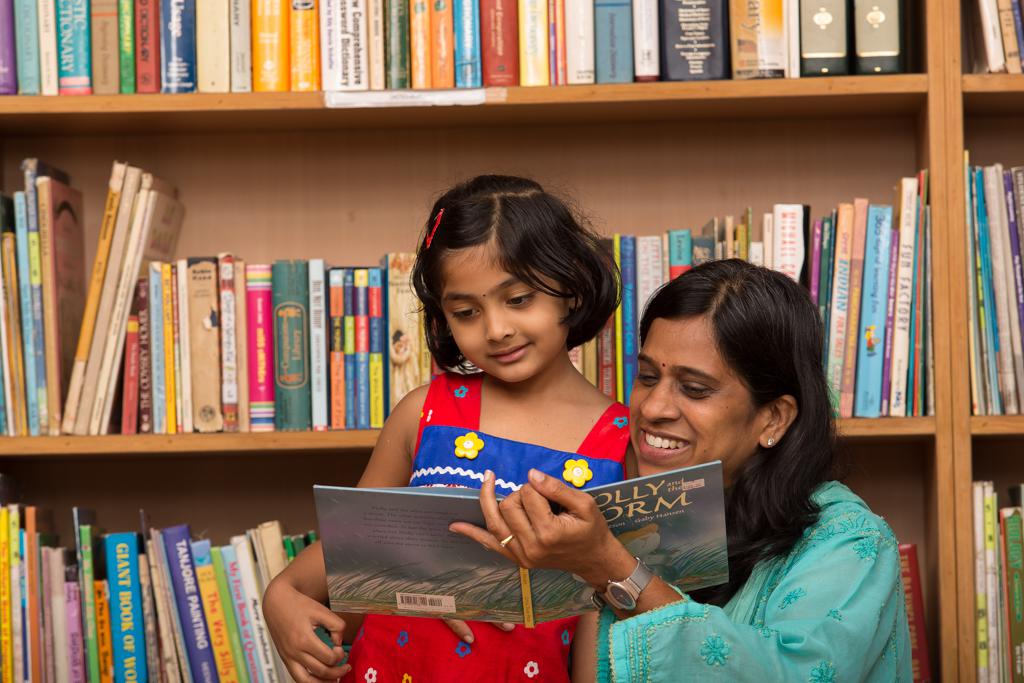
"The Pygmalion Effect is a phenomenon in which children, students or subordinates improve or diminish their level of performance as per the level of expectation of their parents, teachers or supervisors have for them," explains an article in Wisdomtimes. "It is like a self-fulfilling prophecy since whatever the person in the assumed position of power thinks or expects out of the person in a weaker position is what the person feels pressured to execute."
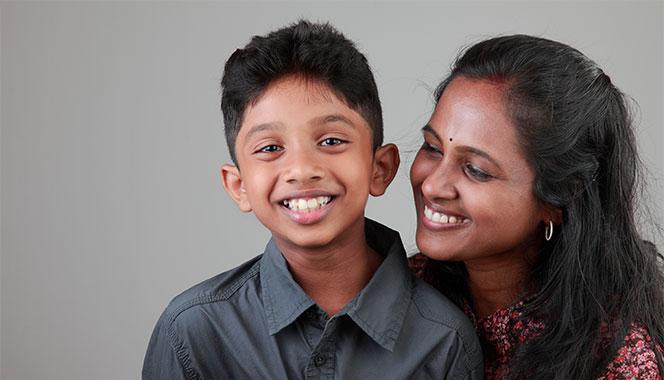
So, per this psychological phenomenon, the more you believe in your child, and the more you expect from him, the more likely he is to live up to your expectation. Similarly, negative expectation can lead to negative consequence.
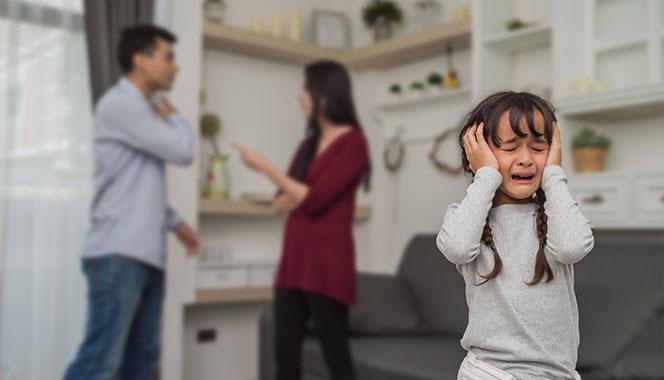
The low expectation and negative feeling you have about your child might have a bad influence on his performance and deep psychological effects on him. "You might be behaving perfectly well on the outside but might not be thinking well of the child internally. This will have a negative impact on the child's sense of self and he will act according to the power of your expectation. Such negative thinking or treatment would substantially increase the chances of turning a child into a loser," continues the same article.
There comes the need for positivity! An article in PBSparents emphasises the importance of positive thinking and attitude. "Positivity shapes how long we persist at a task, how creative we are in brainstorming choices, how confident we feel as leaders, and even how collaborative we feel with family, friends, and co-workers." The article also suggests a few ideas to increase your child's positivity and happiness, such as, giving thanks, smiling, etc.,
To know more about the Pygmalion Effect and how you can use it to positively develop your child's personality, go through this ClipBook.
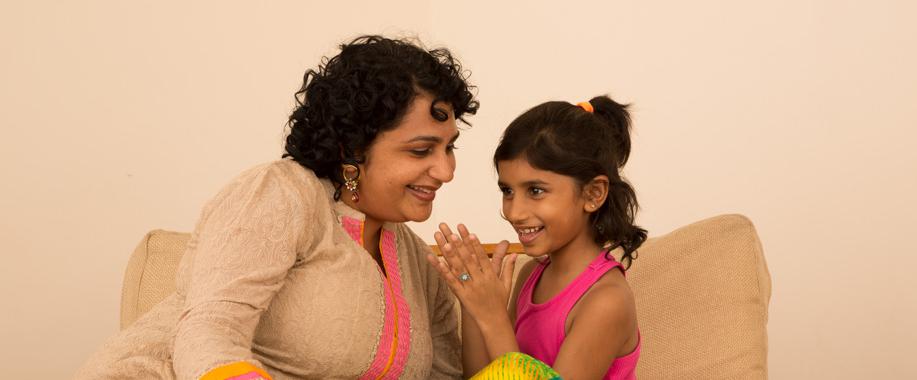
Be a Pygmalion parent
You must have come across the self-fulfilling prophecy: we get what we expect. If we expect something to happen, our expectation will tend to make it so. As human beings, we often find ourselves conforming to the expectations of others around us. Likewise, we have expectations from others. If the strength of the collective expectations is positive and encouraging, people tend to flow with life and perform better; if the expectations are negative, they perform badly. As parents, we have strong feelings about our children and the way we treat our children is subtly influenced by what we expect of them.
Robert Rosenthal, famous social psychologist from Harvard, labelled this tendency to expect as the 'Pygmalion effect'. If you believe that someone is capable of achieving greatness, then that person will indeed achieve greatness - which is the Pygmalion effect. (Pygmalion, a sculptor, in Greek mythology fell in love with the statue of a woman he was sculpting. Through his sheer power of love, his statue 'Galatea' was brought to life.)More at: www.parentcircle.com
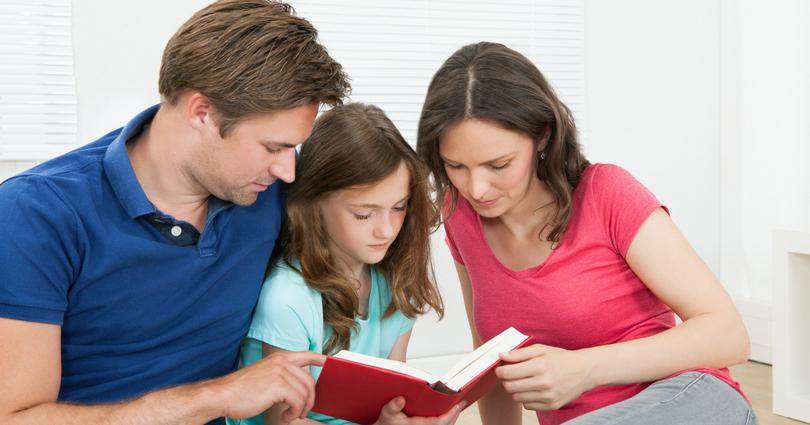
The pygmalion effect at home
Want to know the easiest tool for making your child a super kid?
It might seem so simple that you might be surprised at first but try it out and you are sure to see the results in a short span of time. The Pygmalion Effect is a phenomenon in which children, students or subordinates improve or diminish their level of performance as per the level of expectation of their parents, teachers or supervisors have from them.
It is like a self-fulfilling prophecy since whatever the person in the assumed position of power thinks or expects out of the person in a weaker position is what the person feels pressurized to execute.More at: www.wisdomtimes.com
Raising a positive child
In the weeks following the Sandy Hook tragedy, the lead stories on the news have been truly heart wrenching. Sometimes I find I can't bear to read or watch another story, and other times I simply can't look away. As a parent of three girls, I desperately want to shelter my children from the negative events that take place in the world. But deep down, I know I can't physically protect my children from every trial or danger that they might face, nor would that even be healthy for them.
Read more.More at: www.pbs.org
How to handle anger positively
Everyone gets angry with their kids at some time or another - it's normal - it's healthy - it's a fact of life. Kids know just what buttons to push and they push them! Supernanny expert Sue Atkins gives her tips on how to positively channel that anger, so that you and your family come out unscathed.
More at: www.supernanny.co.uk
How to handle anger positively
Everyone gets angry with their kids at some time or another - it's normal - it's healthy - it's a fact of life. Kids know just what buttons to push and they push them! Supernanny expert Sue Atkins gives her tips on how to positively channel that anger, so that you and your family come out unscathed.
More at: www.supernanny.co.uk

-

Your kid's not the 'problem' - you are
If your child goes wrong or behaves in a certain way, it's not really his fault, it is yours. Because, you are responsible for bringing him up. Read on to find out more.
More at: thestir.cafemom.com
Your kid's not the 'problem' - you are
If your child goes wrong or behaves in a certain way, it's not really his fault, it is yours. Because, you are responsible for bringing him up. Read on to find out more.
More at: thestir.cafemom.com

How I learned to stop nagging my kids
Bringing up kids is a difficult task. But, nagging them always won't help. Here's how you can achieve a fine balance between nagging them, and exalting them.
More at: lifehacker.com
How I learned to stop nagging my kids
Bringing up kids is a difficult task. But, nagging them always won't help. Here's how you can achieve a fine balance between nagging them, and exalting them.
More at: lifehacker.com
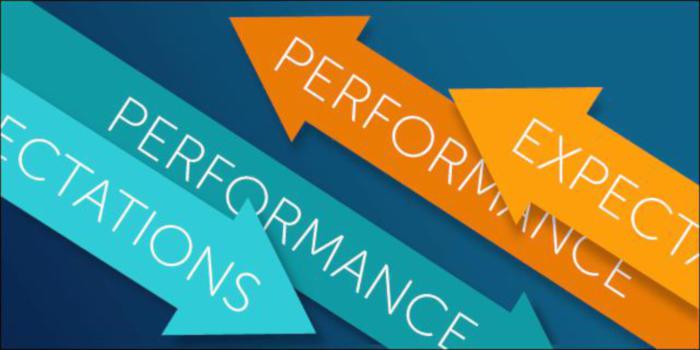
The Pygmalion Effect
The Pygmalion effect can sneak into the office too!
More at: tech.co
The Pygmalion Effect
The Pygmalion effect can sneak into the office too!
More at: tech.co
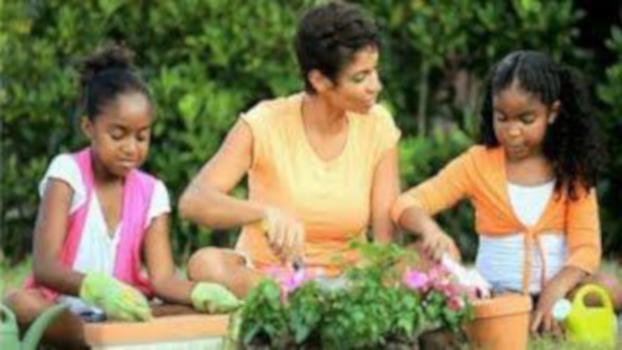
Positive parenting style
Adopt positive parenting methods to help bring up your child in a positive way. Here are some of the traits of positive parenting.
-
Positive parenting style
Adopt positive parenting methods to help bring up your child in a positive way. Here are some of the traits of positive parenting.
8 guaranteed ways to emotionally disturb your kids
Our children are the lights of our lives. We all start off as parents envisioning nothing but success, love and happiness for them.
More at: www.huffingtonpost.com
8 guaranteed ways to emotionally disturb your kids
Our children are the lights of our lives. We all start off as parents envisioning nothing but success, love and happiness for them.
More at: www.huffingtonpost.com

Positive parenting tips
Here's an age-specific guide on how you can follow positive parenting.
More at: www.cdc.gov
Positive parenting tips
Here's an age-specific guide on how you can follow positive parenting.
More at: www.cdc.gov

-

-
Help him stay motivated
Want to help your child stay motivated and perform better at school? Positive parenting always helps. Here's how.
More at: www.highscope.org
Help him stay motivated
Want to help your child stay motivated and perform better at school? Positive parenting always helps. Here's how.
More at: www.highscope.org
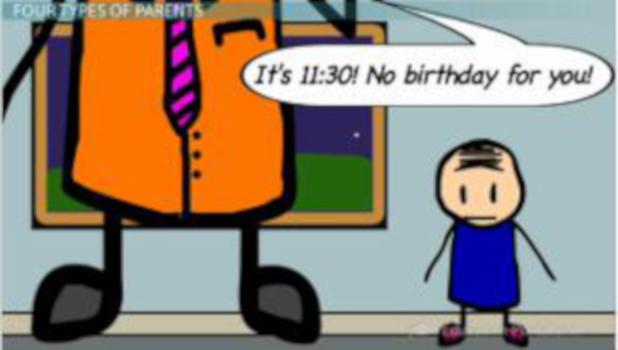
Impact of parenting styles on different styles of learners
When you got in trouble as a child, how did your parents react? This lesson covers four different parenting styles identified in educational psychology, including authoritarian, authoritative, indulgent, and neglecting. Typical results from each parenting style are discussed in terms of children's behaviours, as well as application of the styles in a classroom environment.
More at: education-portal.com
Impact of parenting styles on different styles of learners
When you got in trouble as a child, how did your parents react? This lesson covers four different parenting styles identified in educational psychology, including authoritarian, authoritative, indulgent, and neglecting. Typical results from each parenting style are discussed in terms of children's behaviours, as well as application of the styles in a classroom environment.
More at: education-portal.com





















Comments
Edit
Comment Flag
Cancel Update