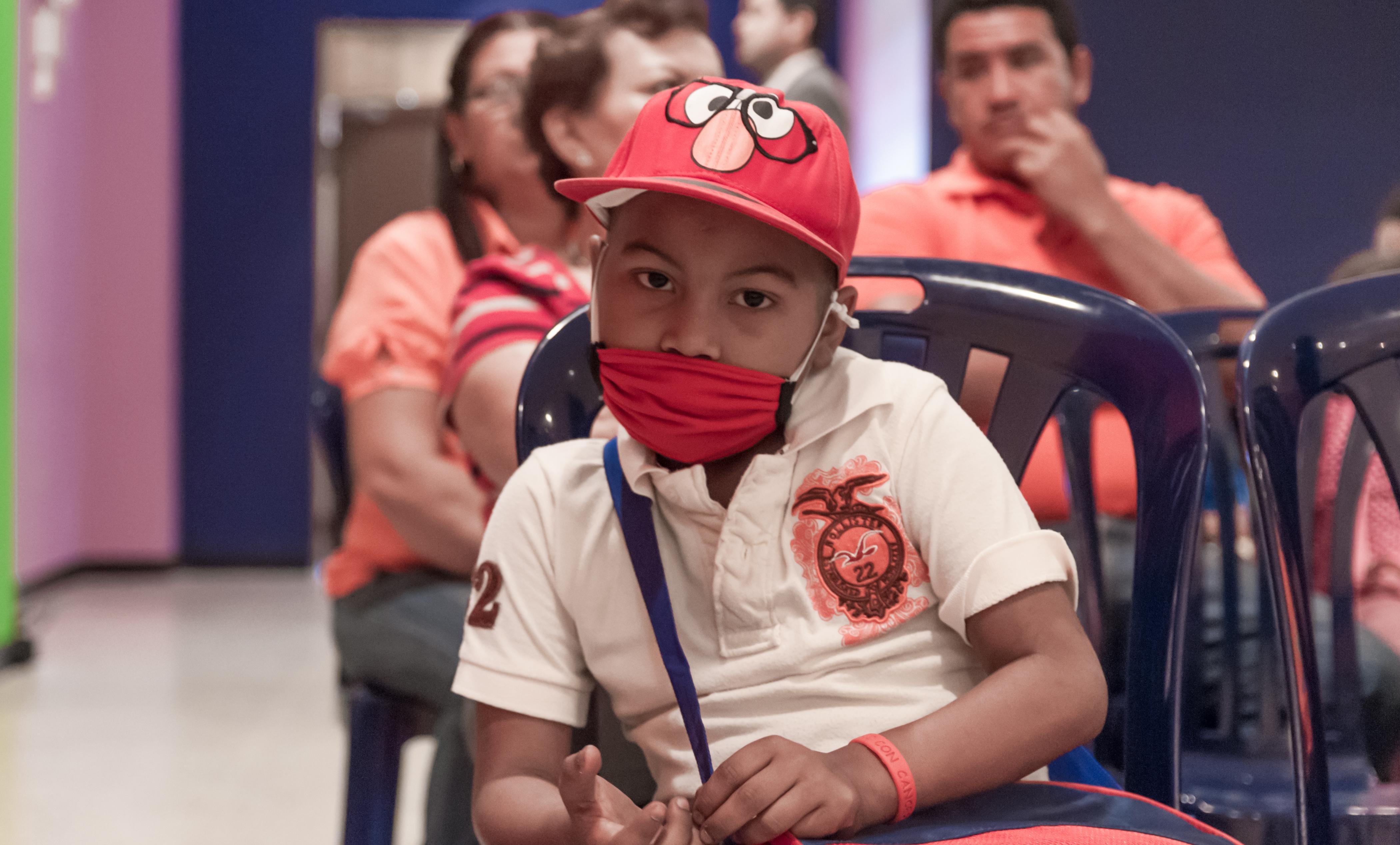
With childhood cancer on the rise, our expert answers questions ranging from the risk factors of cancer to detection techniques.
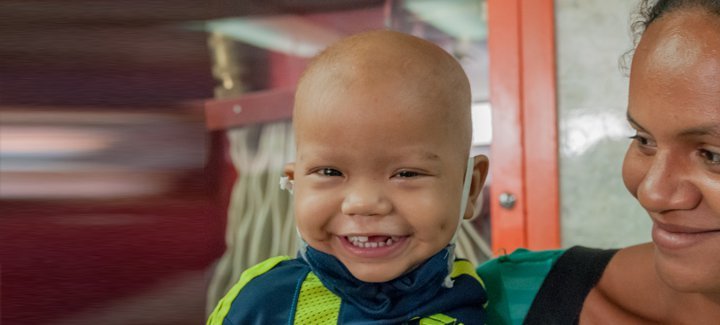
Childhood cancers have seen a 13 per cent rise over the last 20 years across the world, according to a study conducted by the International Agency for Research on Cancer (IARC) of the World Health Organization. Though cancer in children is rare, when it occurs, it can be devastating.
The study states that genetic makeup triggers childhood cancer more than lifestyle or environmental factors. Awareness of the symptoms is widespread now and has improved cancer detection rates and the chances of survival.
In connection with this study, ParentCircle spoke to Dr Sunil Bhat, Senior Consultant and Head of Paediatric Haematology, Oncology, and Blood and Marrow Transplantation, Narayana Health City, Bangalore. We bring you the complete interview.
The increase in the incidence may be due to better reporting over the years. Environmental factors like pollution, radiation exposure, etc. may be contributing factors as well, but there is no scientific proof for this. Also, the rise may be noticed more in the current era when communicable diseases in children have come under control last few decades and malignancies becoming more important.
Life style risk factors like cigarette smoking, drinking alcohol, etc. are not risk factors in childhood cancers. Most of the childhood cancers are random without any identifiable causes. In less than 10% of the cases, there may be genetic predisposition. Genetic disorders like Down's Syndrome, Fanconi Anaemia, Li-Fraumeni Syndrome, Retinoblastoma gene mutations, etc. predispose to cancers in children.
The cancers caused by genetic abnormalities in children are retinoblastoma, leukaemia, bone cancers, brain tumours, lymphomas, etc.
The most important factor in early detection of cancer in children is a high index of suspicion. Children presenting prolonged unexplained fevers, bleeding manifestations, lumps and lymph node swellings, squints, white eye reflex, headache and other neurological symptoms, etc. should be referred and worked up for a possible malignancy. The modality to be used for detection depends on the type of malignancy suspected. It can be a simple blood test or imaging.
We do not have robust data on cancer prevalence/incidence of childhood cancers in India. It is difficult to comment on whether it is different from the West due to lack of data. There are some cancers like T-Cell leukaemia and retinoblastoma, which are more common in India.
The diagnostic techniques and treatment modalities are almost on par with the West. We do have limited access to some treatment modalities like targeted therapies, cell therapies, immunotherapies, etc. in India. The most important barrier is affordability of treatment.
Looking for expert tips and interesting articles on parenting? Subscribe now to our magazine. Connect with us on Facebook | Twitter | Instagram | YouTube
Comments
Edit
Comment Flag
Cancel Update