
How To Teach Some Important Social Skills To Your Preschooler (3-5 years)
Arun Sharma
An important part of a child's development is learning social skills. For, these skills help a child communicate, make friends and be a part of a group. But, how should you teach it to your child?
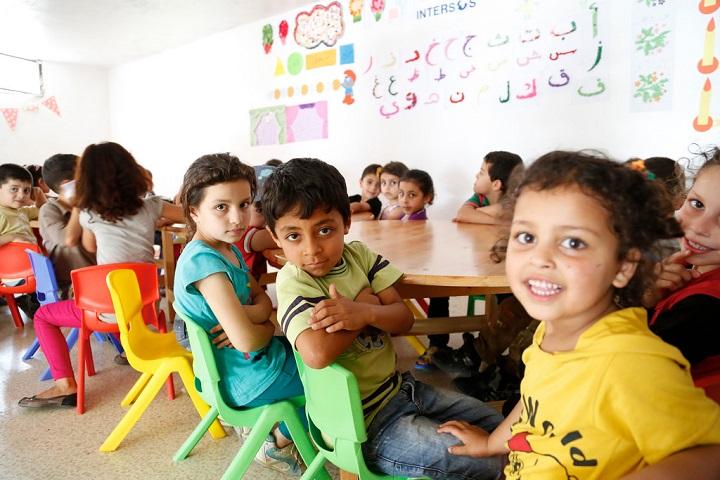
Social skills such as self-control, peer interactions and communication play an important role in the all-round development of a child. Although most children easily become friends and form a group, they need to learn some social skills from their parents. Let's look at how to teach our children some important social skills.
Communication: How to communicate is one of the most vital social skills you should teach your child. Communication helps a child express themselves and understand what others are trying to say and mean. These skills help a child immensely in the learning process and are, therefore, key to success in both academic and professional life. You can teach your child how to communicate effectively by talking and listening to them, role-playing a telephone conversation, blindfolding yourself and giving them directions to do something and so on.
Cooperation: By the time a child is a preschooler, they start exploring the world around them independently and building relationships. In doing so, they gradually learn how to cooperate-to give and take, and balance their own needs. To help your child develop a cooperative spirit, make them understand how cooperating with others can benefit them. Some of the ways you can teach them to cooperate are by making them take turns while you play with them, doing chores together, and giving them suggestions instead of commands.
Empathy: Once a child starts making friends and spending time with them, they need to develop the ability to empathise. The ability to empathise makes a child understand the feelings of others and respond in an appropriate way. The best way to make your child learn empathy is by modelling empathy yourself. Listen patiently to what your child is saying, understand their feelings and help them when they need it. This will make them feel attached to you and model it with others as well. You can also give your child some responsibilities like caring for a pet or a plant.
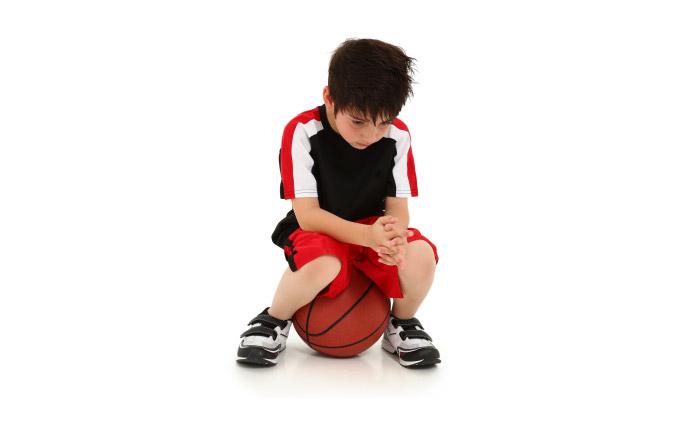
Problem-solving: Conflicts and problems are bound to arise among children, and they do not have the skills to resolve it. This can make them feel frustrated and irritated. Also, when things don't happen like a child wants it to, it can drive them mad. To tackle such situations and have control over themselves, teach your child problem-solving skills, which include identifying the problem, assessing a situation, coming up with answers and choosing the best solution. You can teach this through puppet play where you can enact a scenario where a puppet has a problem and ask your child to suggest solutions. You can also tell them a story where the lead character is facing a problem and ask your child to think and come up with solutions.
Apologising: Children are a bundle of energy and enthusiasm and often go overboard doing various things. As a result, they also make a lot of mistakes, some of which may offend individuals around them. Teaching your child to apologise can help them mend relations and prevent conflicts from escalating. You can teach your child how to apologise by modelling it yourself, as well as explaining to them the right words to use for an apology like 'I am sorry', or 'Will you forgive me'. But while you are doing this, remember that the act of apologising is closely related to empathy.
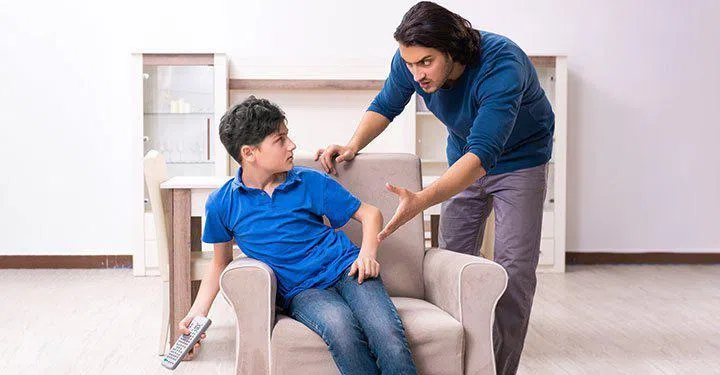
Lack of social skills can create several problems for your child. Therefore, it is crucial to teach them to your child early on. But before you decide to give your child a few lessons in social skills, it's always a good idea to know their strengths and weaknesses to draw up an effective plan.
Discover The Dot social emotional learning for kindergarten at The Dot Learning Circle. This program enhances emotional skills and social skills in UKG students. The engaging group interactions promote all-round development in children.

























Comments
Edit
Comment Flag
Cancel Update