
Are You Raising A Kind Child? What Parents Can Do To Ensure Children Become Kind
Saakshi Kapoor Kumar
author parentcircle author parentcircle author parentcircle author parentcircle author parentcircle author parentcircle author parentcircle author parentcircle author parentcircle
Although children are naturally kind, they learn that kindness is important only when you notice and praise their kind acts. Here's what you can do to help your child be kind to others and themselves
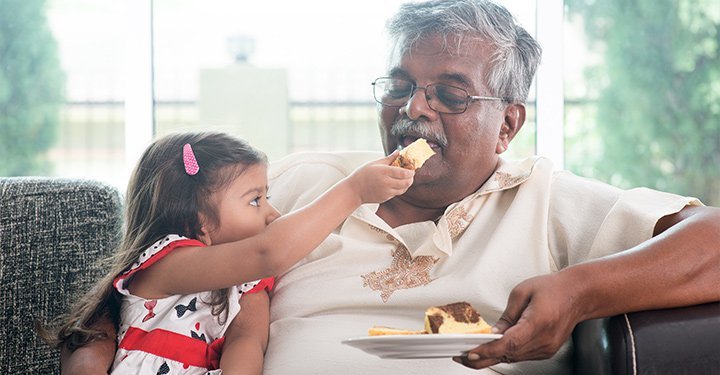
A real moment of kindness in everyday life
You're at the airport with your family, standing in a long queue at the check-in counter. You and your children have been waiting for almost half an hour, and because all of you skipped breakfast, hunger pangs are adding to the frustration. Finally, your turn is next, and with renewed energy, you get ready to check in. Out of nowhere, an elderly couple approaches you, and the lady asks, "If you don't mind, can we please take this turn? We're not feeling too good because of standing for so long!" You feel awkward and pause to think, and before you utter another word, your 4-year-old earnestly replies, "Yes! Mum always says we must help others!"
Don't you sometimes get amazed by your child's kindness? Although it wouldn't be right to take the entire credit for that, you do deserve a slight pat on the back for raising a kind and compassionate child. While you're on the right track, remember that kindness is a virtue that needs constant effort and nurturance. Showing kindness and gratitude can help your child feel positive, happy, resilient, and even successful. Simple practices can help your child display kindness and gratefulness in everyday life. Here's a lowdown on what you can do to bring your child's kind side to the fore.
What kindness really means for children
Simple ways to explain kindness to young kids
Suppose you're moving into a new house and are busy setting it up. Suddenly, you hear the doorbell ring, and your neighbor brings a tray full of food for you. How does it feel? That feeling is what kindness is all about. Had she not brought you the food, you surely would have organized it, but her random act of kindness made moving in a lot better, right?
Why early kindness shapes emotional and social growth
Kindness is a virtue that, if encouraged from an early age, can benefit your child throughout life. In her book UnSelfie: Why Empathetic Kids Succeed in Our All-About-Me World, psychologist and parenting expert Michele Borba writes, "I discovered that early experiences that are seeped in warmth, model kindness and stress 'You will be kind' are key to reducing cruelty."
Benefits of teaching kindness to children early
Being kind can mean several things—caring, giving, being friendly, helpful, or compassionate.
How kindness boosts confidence, empathy, and emotional well-being
Here's how children can benefit from practicing kindness:
- It can lift their spirits and minimize their stress levels.
- Being kind helps them show empathy, and in turn, they feel good about being able to help reduce another person's pain.
Why kindness helps kids build stronger friendships
- When they're kind to others, they exude warmth and are more approachable. This also motivates others to act kindly, and in this way, kindness spreads.
- Showing kindness brings happiness to both the giver and the receiver, promoting good health for both.
- Kindness can also help them become better at relationships, because they're considerate of others.
How to teach your child kindness in everyday life
Model kindness through your words and actions
To foster kindness, your child needs to understand what kindness is. Children have a natural penchant for kindness. Begin explaining kindness by acknowledging their kind acts, like when they share their toy with a friend or give you a small bite of their ice cream. Appreciate them, pointing specifically to their act of kindness and using the language of kindness. For example, you could say, "You gave your favorite car to your brother when he wanted it. That was a kind thing to do," rather than simply saying, "You're such a good girl!"
Use stories, play, and reflection to build empathy
You can also use stories to explain kindness and compassion. Read books such as Leo Learns About Kindness to your child. Then, openly discuss the various aspects of the story. Just be careful not to make it sound like a lecture or a lesson. Let's now take you through some practical tips to bring kindness into action.
Practical tips to raise a kind and compassionate child
Teach children to be kind to themselves first
Kindness begins with the self. To help your child be kind to herself, you must first be kind to yourself, too. More often than not, we're too hard on ourselves. Change the self-talk from "Why can't I do anything right?" to "I am human, doing the best I can do." We're also too critical of our bodies and our physical attributes. Even casual remarks such as "I'm so fat" or "My nose looks too big in that picture" are examples of being unkind. Remember, you may not notice, but your child is listening. Before getting to the child, take stock of whether you're practicing kindness to yourself.
Help kids make healthy choices for their body and mind
Encourage healthy habits at home. Explain how nutritious food is the fuel that keeps us going and how exercise keeps us strong. Refrain from comments such as "If you don't eat well, you'll remain small. Don't you want to grow taller?" Instead, try saying, "Eating healthy food will help you grow well."
Encourage compliments, praise, and positive communication
When your child notices something they like about someone, encourage them to give a compliment. Compliments about what you genuinely like are also a way to show kindness. Also, show them simple ways to accept compliments gracefully from others. Tell them that a simple smile or a thank you is appropriate.
Acknowledge your child's routine acts of kindness in everyday life. Research shows that when it comes to instilling values such as kindness in your child, labeling them by saying things like, "You're so kind, you brought me a glass of water," will work. Praise them now and then, at the right moment, of course.
Teach the difference between needs and wants
You may find your child developing a "me, me, me" attitude at some point. This needs to be addressed; otherwise, there's the risk of them turning selfish or entitled. It's a good idea to help your child differentiate between their 'needs' and 'wants' every once in a while. Sit down together and play a game where you sort a few things into the 'Needs' box and the 'Wants' box. Help them practice gratitude for having both boxes and remind them that for some people, the 'Wants' box doesn't fill up.
Build empathy through reflection and discussion
Before going to bed, spend five minutes reflecting on the day. Ask your child if they were kind to someone today. Could they be kinder in certain situations? Was anyone kind to them? You can also share your own moments of showing kindness to someone and how you felt.
Show kindness through giving, sharing, and helping
This is perhaps the most important step in raising a kind child. Let your child participate in kindness and empathy alongside you. Talk about others' feelings often. No one can explain kindness the way you can. Pooja Dwivedi, who runs an NGO and school for the underprivileged in Uttarakhand, says, "Sometimes, we see parents coming in with their children to volunteer. These children are keen to help and always want to stay longer. In most cases, the children keep coming back as they grow. They definitely seem to be happy, peaceful, and energetic. These are the children who set up donation drives, promote a cause, and spend their time helping others. We always encourage parents to involve their children in giving, helping, and doing because such acts go a long way."
We often believe that giving, sharing, and showing generosity are the only ways to show kindness to others. This needn't be true. The most important thing is to treat others the way you want them to treat you. You can tell your child that there are several simple ways to show kindness, such as:
- saying please and thank you
- smiling at others
- making someone smile
- holding the door open for someone
- helping your mother with the chores
- playing with someone who looks lonely
- helping your teacher at school
Create family rituals that celebrate kindness
Have a kindness jar at home. Every time someone in the family shows kindness, they can write it down on a small sheet and put it inside. If your child can't write, write it for him. Also, anyone can write down an act of kindness that was shown to them and name the person who did it. Not only is it a great way to spend time, but it's also like a mini-celebration of kindness!
Help children extend kindness to animals and the environment
Help your child extend their kindness to the environment as well as the animals. Talk about how small steps can make the world a better place to live in. Tell her, "When we're kind to the planet, the planet becomes happy. Do you want to help make the planet happier?" Tell her that it's also important for us to be kind to animals. They have feelings too!
Everyday acts of kindness kids naturally learn from
While you may want to help your child become kinder, you must also be open to the opportunity of learning from them, as they can impart kindness in the simplest of ways. Make sure you acknowledge them for their kind gestures. As they say, kindness is contagious. To ensure that the world we leave for our children is a better place, we must emphasize raising a generation that is kinder and more compassionate. Your child can already be kind; the seed of kindness exists within them. All you have to do is nurture it.
Key takeaways for teaching kindness to children
- Kindness can and should be taught to little children. It's prudent to start young. Introduce the vocabulary of kindness, read appropriate stories, and acknowledge kindness when you see it around you.
- Model kindness for your child. Involve them in random acts of kindness regularly, like making someone a card, holding the door for someone, or baking cookies for the neighbors.
- Being kind to yourself is important, too. Practice self-care by eating healthy, exercising, and being mindful.
- Kindness is not just about giving and generosity. Even listening to someone patiently shows that you care about what they have to say.
- Kindness is not a weakness. In fact, kindness and empathy go hand in hand.
What you can do right now to nurture kindness
- Talk about kindness at home by way of stories, songs, movies, videos, and real-life incidents. Give examples of role models that your child could look up to.
- Praise your child when they show kindness to someone, even to themself.
- Help your child be assertive in certain situations. Teach them how to say "No" when required, using role-play.
- Have a kindness rule book that lists out some kindness rules, or keep a kindness jar at home to celebrate each other's kindness together.
Build your child’s kindness, empathy, and emotional strength — find out How To Teach Your Child To Be Kind.
Saakshi Kapoor Kumar is a psychologist, educator, and Head of The Dot Learning Experience, a comprehensive early childhood education ecosystem. She works closely with schools and teachers to create joyful, child-centered learning environments and has extensive experience in teacher training, early childhood education, and social-emotional learning.
Last updated on: December 09, 2025






















Comments
Edit
Comment Flag
Cancel Update