
How to Protect Your Child From Inappropriate Online Content. We Bring You Some Tips
Debarati Halder
author parentcircle author parentcircle author parentcircle author parentcircle author parentcircle author parentcircle
Worried about your child's safety online? Here are some valuable tips to keep them safe while surfing the Net

Recently, I was traveling to Kolkata by air. The scene at the waiting lounge of the airport reminded me of an advertisement I'd seen in which everyone in the family, including the children, was engrossed in their own electronic, digital communication device. Some of my fellow passengers were checking their messages or mail or looking at social media posts, while others were watching videos online. What struck me was that everyone, children included, was enjoying complete privacy while doing whatever they were doing. And, this is where the danger lies, especially where children are concerned.
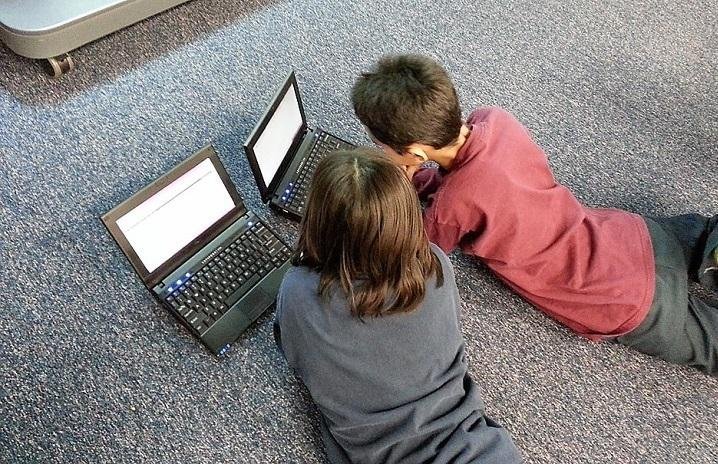
Children are often simultaneously exposed to appropriate and inappropriate content while on the Net. They could be doing school projects, searching for holiday destinations, or watching funny content or even some educational video online when inappropriate content pops up.
For example, your child may be looking at learning materials on reproduction. Invariably, they will see links to other videos, some of which have inappropriate content, including pornography. Or, they may be doing a search on a particular period of history in India and the search engine throws up content showcasing violent visuals of terrorism, bombings, and mutilated bodies.
Is your child safer in a group?
You may think that your child will be safer if they are part of a group. But that may not necessarily be true. I have often seen objectionable content being shared by members of even groups meant for studies.
And, the content may have been shared not by any of the children, but accidentally by one of their parents who had allowed their child to list their number in that group. I remember seeing a video showing a man being brutally killed and his young wife attacked in the name of honor killing in Tamil Nadu in a messaging group meant for school children. All the children were using the mobile numbers of their parents and this video was 'accidentally' shared by one parent in this group.
The question is, how do you protect your child from viewing such inappropriate content?
Laws that protect your child
Parents must understand that the existing laws, including the Information Technology Act, 2000 (amended in 2008) (especially S.67B) and the Protection of Children from Sexual Offences Act, 2012, (especially S.11) have broad scope to include 'anyone' who violates the norms of law and shows or exposes a child to pornographic or sexually explicit or any other inappropriate content. As such, the parents may also be held liable if the children (even accidentally) are exposed to inappropriate content because of their negligence.
In other words, if any phone number in a group used by children is used to share inappropriate content, the owner of the number may be held liable for sharing that content and for exposing the children to it. We also need to understand that there is still some ambiguity in the understanding of courts on the liability of administrators of social media groups. Hence, parents have to be extremely careful while letting their children use their mobile phone numbers or social media profiles.
Tips to protect your child on the Net
The following do's and don'ts could help you prevent your child from getting exposed to inappropriate online content:
- Always sensitize your child to the existence of 'certain bad stuff' on the Internet. This will make younger children understand why it is not good to be inquisitive about every site.
- Encourage your child to do their school projects during family time, even if you are busy, especially if these involve surfing the Net. Your child will definitely like it when you encourage them to surf the Net in your presence and to get the project ready using his creativity with a little bit of help from you.
- Be aware that teenagers love to surf the Net for new hairstyles or trending fashions. But this is another pocket where children can be exposed to inappropriate content. Hence, it is always better to be your teen's fashion guide and 'friend' in searching for trending hairstyles or dresses.
- Inform your child that under no circumstances should they share their number or email id, your spouse's, or their own on any website, even if that site is meant for online coaching classes, without your permission.
- Sensitize your child to inappropriate content if they have access to all the devices at home. Also, ensure that all unwanted apps are uninstalled before any device is handed over to them.
- Be aware and make your child aware of the effects of sharing and viewing, downloading, or clicking on inappropriate content.
- Don't leave your child alone with digital communication devices with all the activated apps.
- Don't use smartphones, laptops, or desktops as pacifiers for children. They should not be given to children for viewing 'whatever they want'.
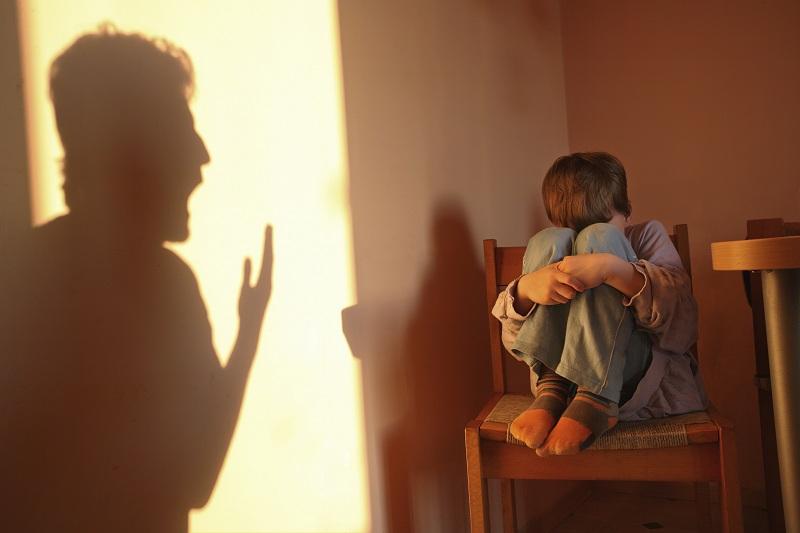
- Don't scold your child harshly if they have accidentally opened some inappropriate website. Instead, explain to them why the content is not appropriate.
- Don't allow your child to connect with their friends using your social media profile or your spouse's. You must teach them to be patient until they are old enough to be eligible to open an account. Even after that, make sure to patiently monitor their profile and activities.
- Don't avoid a discussion if your child starts talking about 'how to see unwanted stuff'. This indicates that they have started learning the tricks of breaking the 'protocols' to view such stuff. Listen to them patiently and then explain why doing that is bad and could land them in trouble.
Beyond everything else, always be ready to comfort your child in case they have been accidentally exposed to inappropriate content and is traumatized by it. Following the tips given here will help you teach your child about the value of the Internet while pointing out the dangers it also holds.

























Comments
Edit
Comment Flag
Cancel Update