
4 Common Parenting Challenges: Expert Advice On Screen Time, Tantrums, And More
Team ParentCircle
ParentCircle empowers parents to raise successful children through holistic parenting.
Parenting can bring many challenges, from managing screen time and tantrums to understanding a teenager’s changing needs. Family counselor Arundhati Swamy answers four common parenting questions and shares practical, compassionate ways to set boundaries, build trust, understand behaviour, and support your child’s emotional needs
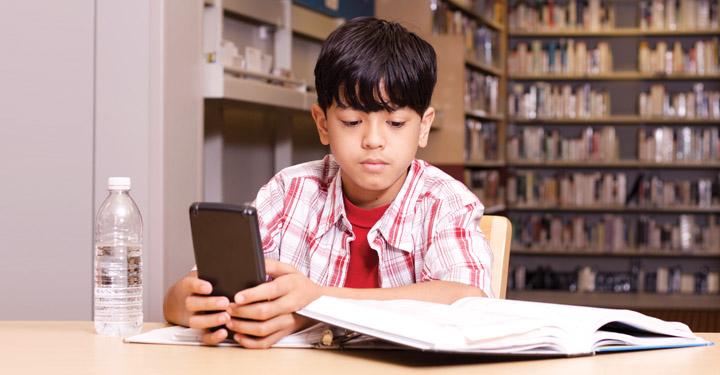
Parenting challenges parents often face
How can I help my 10-year-old reduce screen time?
Q. My 10-year-old-son is addicted to digital gadgets. He gets angry when we refuse to give him our phones. My husband and I tried imposing rules, but that didn't work. We are working parents and don't know how to change him for the better. Please help!
A. It is indeed a worrisome situation for any parent. Let's begin by working out the possible underlying causes for your son's behavior. What does your son get from his screen use? Is it entertainment, connection with friends, relaxation, or simply a way to fill his free time?
The first step would be to address your feelings of distress. Having a heart-to-heart talk with your spouse or a trusted friend, or even writing down your thoughts and feelings, can help release emotional pressure.
Next, rather than talking to your son about gadgets, try asking him about things that interest him, his preferences, and dislikes.
Getting to know your son deeply could make him feel you truly care. Notice how his emotions vary as he talks about things. Listen to his thoughts without commenting on them.
Sometimes, children need help to know what's bothering them. Such conversations not only enable understanding and acceptance but also help build your son's trust in you. Within this trusting relationship, you can share your concerns about gadget use, and he can explain himself.
Allow your son to suggest a few solutions. And you can suggest a few:
- Create a family media plan
- Create gadget-free zones in the home
- Ensure gadget usage expectations apply to all family members
- Plan for adequate sleep, time for schoolwork, physical and interest-based activities, and regular family time.
Remember, giving in to a tantrum can unintentionally reinforce the behavior. Staying calm and consistent can help your son learn healthier ways to handle frustration.
So, rather than "changing him for the better," you would be learning to stay calm and consistent and help him find healthier ways to handle frustration.
Why doesn't my teenager want to go on a family holiday?
Q. My wife and I have planned a 10-day family summer vacation trip, but my 16-year-old daughter does not want to come. She finds family trips boring and prefers to spend time with her friends instead. What can we do to convince her to join us?
A. You must have invested a great deal of time and resources in planning your family holiday, and it hurts when your daughter appears to be uncooperative. Let's explore a few possible explanations:
Your teenage daughter is at a stage in her life where spending time with friends may seem more appealing than spending time with parents. This is not because she loves you less, but because she is busy making important and interesting discoveries about herself through her friends. If possible, inviting her friend(s) to join the holiday may be an effective solution.
Another reason could be her involvement in the holiday planning process. Teens are more cooperative when parents consider their ideas and preferences. Many enjoy researching destinations and planning the itinerary.
Sometimes, a family holiday is an attempt to compensate for the guilt over unresolved family issues; your daughter's reluctance may be her way of expressing resentment.
Lastly, some teens are preoccupied with a special relationship and find excuses to stay back. Understanding the cause of her reluctance can lead to a healthy conversation about it.
Most importantly, don't try to convince your daughter first. Find out why she doesn't want to come. Then involve her in planning the holiday.
How should I handle my 4-year-old's tantrums?
Q. My four-year-old son has learned the trick of getting what he wants. If we say no, he throws a tantrum and screams. To avoid embarrassment in public places, we give in. How do we make him understand that this behavior is not acceptable?
A. It sure feels like a coup when your four-year-old snatches the power right out of your hands. For toddlers and preschoolers, the world appears to center around their needs. Their tantrums and screams, though embarrassing and difficult to handle, are their way of expressing an emerging sense of 'I'.
Your description of your son's behavior may indicate that he has learned to use tantrums to help him get his way, also known as an "intentional tantrum." Therefore, you must respond consistently.
Here's what you can do:
First, prepare your son before going to a store. Tell him what you expect and what will happen if he has a tantrum.
However, he could still try to push boundaries. As soon as you see the first signs of an intentional tantrum, give him two clear choices: he can calm down and continue shopping with you, or you can leave the store together and try again another time.
Appreciate his choice to continue at the store, or respond firmly and return home. Your consistent responses can help him gradually learn how to handle disappointment and regulate his emotions.
Nine-year-old who cries frequently
Q. Over the last two years, my 9-year-old son has become very emotional about everything. Almost anything makes him sob. I am not against him being sensitive, but this is going too far. Please advise.
A. It's not easy to comfort a 9-year-old who cries frequently. As children grow older, they are expected to manage their emotions. Emotional regulation is a skill learned with guidance, over time.
However, certain events or experiences could overwhelm some children, especially when they don't have someone to talk to. The goal is to find out the root causes of your son's crying.
However, certain events or experiences may leave some children feeling overwhelmed, especially when they don't have opportunities to talk about what they are going through.”
Here's what you can do:
First, reflect on how your child was managing his emotions up until two years ago. It can help in understanding whether his crying responses developed gradually or suddenly.
Some children may grow up learning to suppress their emotions. Pent-up feelings deplete emotional energy, causing frequent breakdowns.
So, your next step would be to start small conversations with your son where you talk comfortably about everyday things. The comfort and warmth of these chats can help build trust and give him the confidence to confide in you.
If your child’s emotional change is sudden or persistent, gently explore whether anything is worrying him at home, school or elsewhere. It is also appropriate to check whether anyone is touching him in a way that makes him uncomfortable or confused.
You could also interact with others your child is closely associated with. You may gain insight into whether the crying is restricted to the home, certain environments, and particular people.
If the change in your child's emotional behaviour persists, interferes with everyday life, or is accompanied by withdrawal, sleep or appetite changes, fear, or other concerning signs, speak to a child mental-health professional.
Keep in mind
- Look for the need or concern behind a behaviour before reacting.
- Set clear, consistent boundaries.
- Involve children in age-appropriate decisions.
- Make family rules apply to parents as well as children.
- Listen before assuming you know what's wrong.
- Pay attention to persistent or sudden changes in your child's behaviour or emotions.
- Seek professional help when a concern persists or affects everyday life.
Arundhati Swamy is a family and school counsellor with over 40 years of experience working with children, parents, and families. She has counselled families in school and therapy settings, conducted parenting workshops, and contributed to parent education through counselling, training, and writing. Her work focuses on helping families build healthy relationships and support children's emotional and developmental needs.
Need more information? Trusted resources:
- Indian Academy of Pediatrics — Guidelines for Parents
- WHO — Guidelines on physical activity and sedentary behaviour
- AAP/HealthyChildren — Family Media Plan
Last updated on: August 05, 2026

























Comments
Edit
Comment Flag
Cancel Update