
How To Manage Your Child's Bad Behavior. We Bring You Some Handy Tips
Amrita Gracias
It is a common challenge for parents to deal with bad behaviour. Here are some tips that can help you nurture a well-behaved child
- 23.3K
- 2
- 1

As parents, we face challenges regarding our children's behavior from time to time. We, perhaps, even question our parenting styles when we try to manage another temper tantrum by a toddler or react to our teenager rolling their eyes in response to something we said.
Children sometimes communicate in an aggressive, hostile or inappropriate manner when they are unable to handle their emotions or when they wish to convey their wants in a difficult situation. However, instead of reacting instinctively when we are frustrated by their behaviours, we must try to respond more positively. Then, we can handle such situations more effectively.
Some common problem behaviours you might encounter at home regularly:
- Temper tantrums
- Defiance
- Manipulation
- Disrespect or answering back
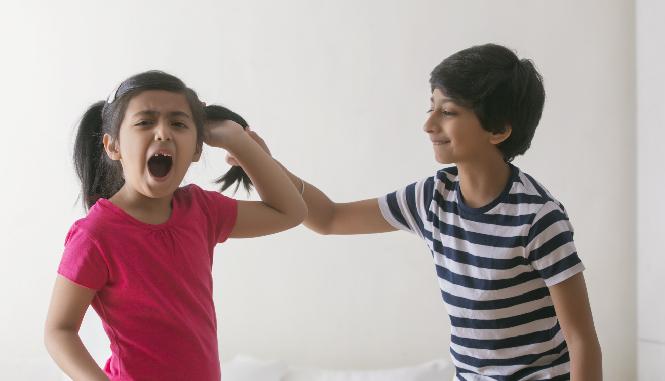
- Aggression or angry outbursts
- Lying
- Hitting or biting
Managing Behaviours Effectively
Understand Your Child's Development and Trigger Factors
Do keep in mind that various behaviours are typical of each age group. Sometimes, we tend to recognise a behaviour as a problem. For instance, toddlers throw tantrums to express certain emotions or teenagers are known to take risks. So, if the behaviour is dealt with in an appropriate manner, then it may not become a problem altogether. Also, try to understand your child's developmental progress and his ability to respond positively to your attempts at correcting or managing certain behaviors. Find out what triggers these troublesome behaviors. For example, why does your toddler throw a tantrum? It could be simply because they are hungry or tired. Or, a school-going child could display anger in a questionable or negative way due to some pent-up frustration that they are unable to express. Teenagers, on the other hand, mostly assert their growing independence in ways that might seem harsh. If you can identify the influencing factors causing these challenging behaviors, then you can help your child regulate his emotions, which will lead to more positive and acceptable behaviors.
Build a Positive Relationship
Remember that instances of troubled behavior are normal in all children and that they are a common parenting woe. So, provide the right support and guidance to form a healthy relationship that both you and your child value. Spending quality time creates an environment of trust and respect. Ensure good communication and interaction with your child. When they interact with you, give them your full attention and listen attentively. By being responsive, you are recognizing their needs. Promoting emotional awareness helps them identify and manage their emotions effectively. And this, in turn, guarantees appropriate behavior.
A child's behavior is also significantly influenced by his immediate environment and the relationships they are exposed to. By modelling good behavior, you encourage your child to develop their confidence so that they can handle their emotions in a difficult situation and react in a suitable manner.
Want to ensure your children exhibit good behavior? Wondering how to go about it? The article below teaches you how you can go about it.
Teach and Encourage Manners and Discipline
It is a parent's responsibility to instill good manners in their child and discipline them from an early age. However, it must be done politely and with tact as they continue to model the behavior they experience around them. You will certainly experience several difficult situations as a parent - either from a tantrum-throwing toddler, a defiant middle-schooler or a rebellious teenager. Act on it in a calm manner and avoid yelling; talk it out instead. Explain the importance of good behavior so that your child can understand what is expected of them. As they grow older, they will assert their growing independence. For teenagers, effective discipline can be ascertained by setting agreed limits and working within them. They must be encouraged to learn independence and take responsibility for their actions and their consequences. Children tend to test boundaries to see how others react to their behaviour. You could discuss social expectations and acceptable behaviours. Remember that despite their new-found confidence, teenagers are still incapable of making many decisions and require your guidance.
Set Rules and Consequences
Let your child know what behaviors are acceptable and the ones that aren't. Avoid using generic terms like 'be good' or 'don't act up'. Instead, point out specific actions that are wrong. For example, explain to a toddler that actions like hitting or biting are unacceptable. You could perhaps inform them that they might need to endure a 'time out' if they choose to repeat such actions. For older children and teenagers, work together to set clear rules and inform them of the consequences that will follow if the rules are broken. They may resort to negotiating, so don't disregard it entirely. Their ideas are important too. Work together to enable cooperation. You could take away a certain privilege as a means of punishment, but make sure these rules have been explained earlier. Also, make sure that you follow these rules consistently and reinforce them firmly.
Praise and Reward Good Behavior
Praising your child for their good behavior helps build their confidence and self-esteem and they are encouraged to think more positively. They learn to recognize their own good behavior. Let your toddler know you appreciate their cooperation at bedtime or praise your older child when they have completed homework without any trouble. Praise efforts and achievements instead of just acknowledging for being good. This way, your child learns what is expected of and is motivated to act accordingly. Occasionally, you may reward your child with a surprise in appreciation for their efforts. Offer a special treat or an extra privilege. However, don't make it a habit, as it takes away the significance and spontaneity entirely. Also, make sure you understand the difference between a reward and a bribe. Often, we tend to criticize our children more than we praise them as bad behavior always stands out. So, make an effort to appreciate them more often and make a note of their special strengths and talents.
Non-verbal communication between you and your child can help boost your emotional connections. Your body language, tone of voice and facial expressions also send out important messages that reinforce your verbal communication. This is how your child learns to relate to people and behave in a public space, which is an essential life skill.
However, if you do find that your child's behavior is becoming increasingly unmanageable, do seek professional help. Based on an assessment, it might be suggested that they receive therapy or counselling to help deal with the circumstances.
The Dot SEL program for kindergarten at The Dot Learning Circle is designed to help children feel safe, secure, and ready to learn and engage in classroom activities. The activities help them become aware of their feelings, emotions, thoughts, and behaviour. The child learns to express their emotions and manage their behaviour in different situations.


























Comments
Simi Ramesh Jul 4, 2019
Edit
Comment Flag
Cancel Update