
How To Emotionally Prepare Your Child For A Happy And Confident Back-to-school Experience
Arun Sharma
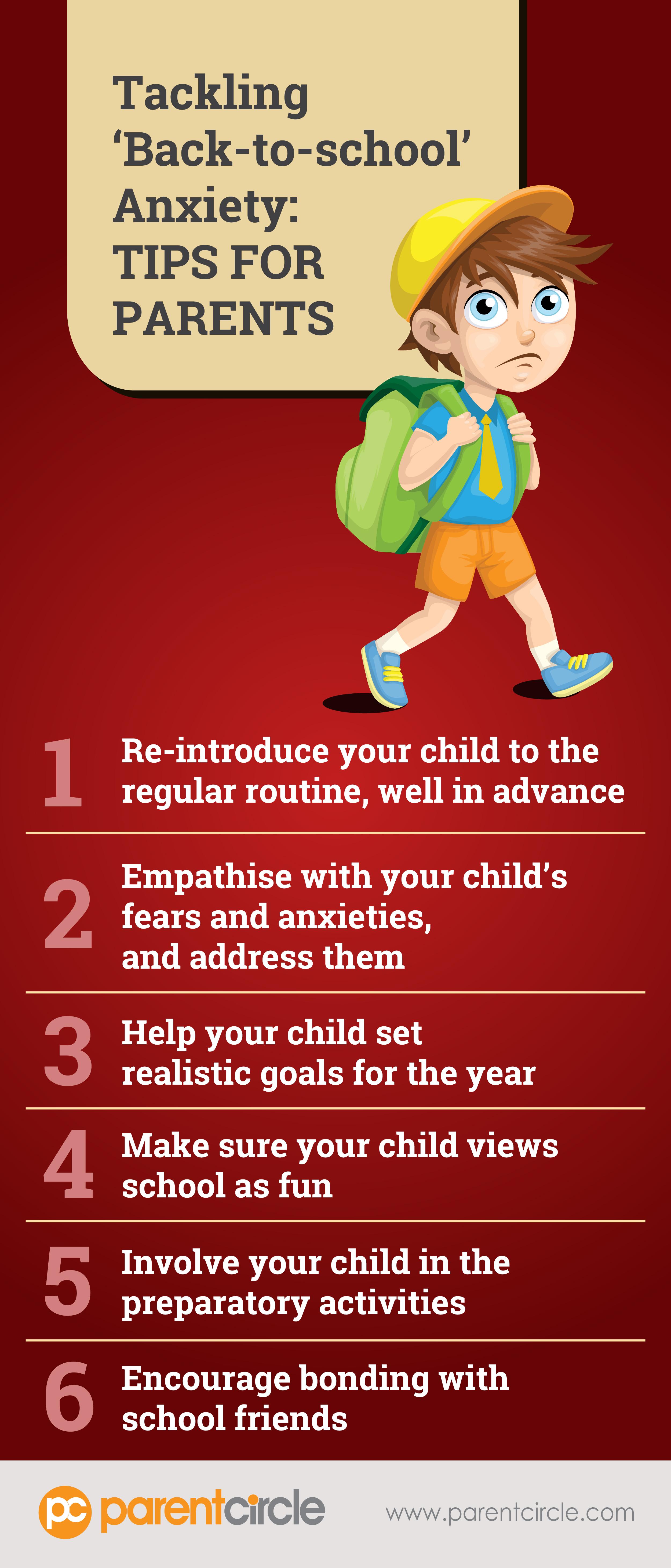
While some children eagerly wait to return to school after vacations, others may feel nervous, anxious, or emotionally overwhelmed. Here are practical and reassuring ways parents can help children prepare emotionally for the new school year and return to school feeling secure, confident, and cheerful

Why returning to school can feel emotionally overwhelming for some children
With summer vacations coming to an end, it's time for children to head back to school. For children, a school is not just a centre of learning, but also a place for socialising and recreation. So, while the thought of going back to school after a long vacation may seem exciting to many, others may feel worried and anxious.
In the article 'Back to school: A psychologist's tips to ease the journey' by Nathalie Fernbach, psychologist Dr. Joann Lukins says that many emotions around returning to school stem from the fear of change. According to Dr. Lukins, "Change is something that humans typically react to ... we don't always love change when it comes along."
If you are the parent of one such reluctant child, here are a few tips to help you prepare them emotionally for the change so that they return to school in a better mood.
Talk openly about your child’s feelings regarding school
- Ask your child how they feel about the upcoming school year.
- Encourage them to share all their mixed feelings about a new classroom, teachers, studies, what to expect, what they look forward to, and what they may dread.
- Share some of your back-to-school stories, the ups and downs you experienced. It will help normalize your child's experiences.
Remember, transitions and changes can feel emotionally overwhelming for children, too.
Along with emotional reassurance, rebuilding routines gradually can also help your child feel more prepared and secure.
Gradually re-establish school routines before reopening day
Reset sleep schedules slowly and gently
Vacations are a time to relax and have fun, but getting back to the school routine can be challenging. Make this transition easier by gradually easing your child into the school day routine at least a week before school starts.
Easing children back into learning habits
After staying away from books during the vacations, getting back to studies can prove difficult. Help your child overcome this by establishing a reading routine a few days before school reopens. Starting with their favourite storybooks can make the transition feel enjoyable and pressure-free. You may suggest a brief review of the lessons and concepts taught before the start of vacation to refresh their memory. Not only will this make them feel confident, but it will also rekindle their interest in studies and enthusiasm for school.
Another simple way to build excitement about the new school year is to involve children in the preparations.
Involve your child in back-to-school preparations
Shopping for school supplies
Children often outgrow their uniforms, shoes, and schoolwear surprisingly quickly during vacations. While old uniforms and shoes no longer fit, worn-out school bags, water bottles, and school supplies also need replacement. It is always wise to buy these items in advance rather than wait until the last minute. And when you shop for school supplies, take your child along. Let them select the school bag, lunch box, water bottles, stationery, and shoes they like. This will help raise their spirits and eagerness to start the new school year.
For younger children, especially, the first day back at school may still bring tears or separation anxiety.
Help your child feel safe and reassured
When children don't like the idea of going back to school, it is best to address their problem with empathy. Ask your child about why they don't want to go back to school. Reassure them by saying, "I know it feels awful to you. It's okay to feel that way." By showing empathy, you are accepting your child's feelings and building their trust in you. This trust enables them to share their thoughts and feelings freely. Your job is to listen attentively to your child and thank them for trusting you. Expressing their feelings calms them and makes them less resistant. Now is the time to guide your child to look at the brighter side of school life. Also, reassure them that it is normal to feel anxious and worried on the first day of school. In most cases, these feelings disappear within the first few days of school.
Accompany your young child to school on the first day. If possible, walk them to the classroom and help them connect with their class teacher. If your child is new to school, help them bond with a few classmates. If your child becomes emotional or starts crying when it is time to say goodbye, reassure them that they will be safe with their teacher and that you will meet them after school.
Every child experiences school differently. While some children eagerly wait to return, others may take more time to adjust emotionally.
Parents and children share their back-to-school feelings
"My daughter enjoys school and never wants to take a break from school. In school, she has many friends and enjoys sports and art. Every day's timetable makes her look forward to something exciting in school. She has got her new bag and pencil box, covered all her books, and is ready and waiting for school to start."
- Sudha, parent from Chennai
"My 8-year-old daughter just can't wait for the holidays to get over so that she can go back to school and share with her friends how she spent her vacation."
- Nisreen, parent from Trivandrum
"I enjoy school and love being there. But, at times, I miss my mom and brother."
- Aarav, aged 2, Chennai
"I don't want to go to school because I find going to school boring. But, of course, I am happy to see my friends."
- Zubin, aged 7, Trivandrum
"This year is going to be different, for I will be in grade 11, and at a new school, in a new environment. But, I am looking forward to it."
- Nayza, aged 15, Trivandrum
No matter how children feel about returning to school, what matters most is knowing that their emotions are heard, accepted, and supported.
Emotional support from parents makes school transitions easier
Returning to school after a long vacation is a mix of excitement, nervousness, curiosity, and anxiety for children. With time, familiar routines, supportive teachers, and reconnecting with friends, children usually settle back into school life comfortably and confidently.
Parent checklist
- Talk openly with your child about their feelings regarding school reopening
- Listen calmly, do not dismiss their worries or fears
- Adjust bedtime and wake-up schedules at least a week early
- Encourage light reading or revision to rebuild study habits gradually
- Involve your child while shopping for school supplies
- Visit the school beforehand if your child feels anxious
- Reassure your child that nervousness on the first day is completely normal
- Avoid putting pressure on your child to “be brave” or “stop worrying”
- Stay calm and confident during school drop-offs
- Focus on reconnecting your child with the positive aspects of school life
Last updated on: May 11, 2026
A recent cumulative analysis of related studies reveals that Social and Emotional Learning programs in schools improve student performance and classroom environment as well. Learn more about The Dot Learning Circle's unique SEL program for kindergarten.































Comments
Edit
Comment Flag
Cancel Update