
Why Is My Child Using Bad Words? Gentle Ways To Stop Swearing And Rude Language
Dr Geetika Agarwal
author parentcircle author parentcircle author parentcircle author parentcircle author parentcircle author parentcircle
Worried that your child is using bad language? Here are some ideas to get her to turn over a new leaf
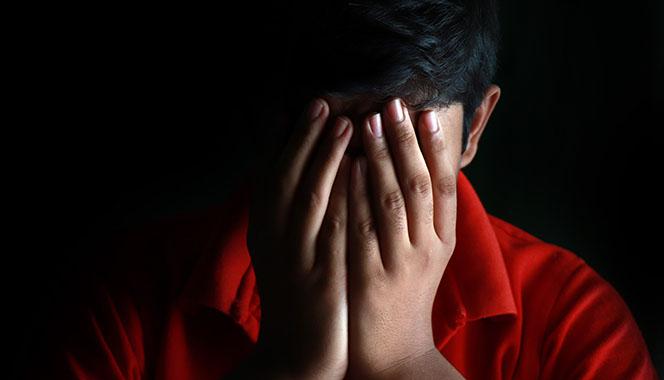
Sudhir is a cute 4-year-old. But when he starts talking, there is no telling when he will start using curse words. His parents are nervous when they have guests over or when they take him to other people's homes.
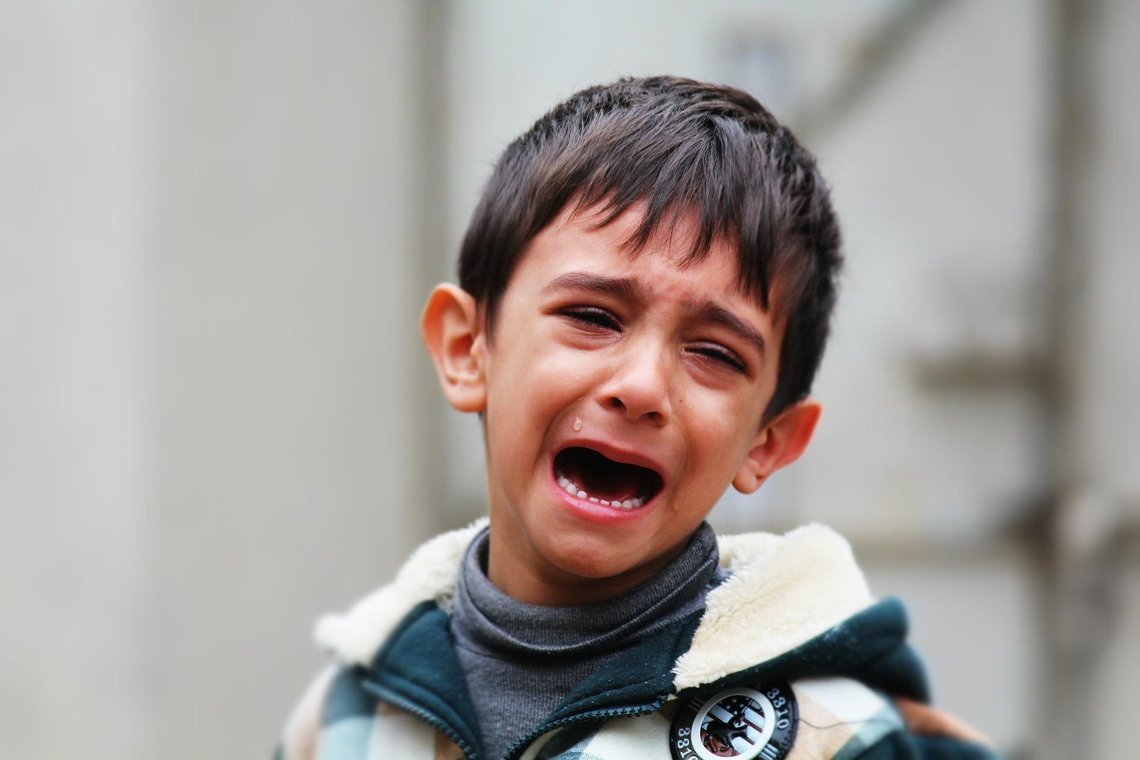
When Amrita repeated angry words as a toddler, without understanding their meaning, everyone thought she sounded cute. But now she is nine and continues to use rude language whenever she gets angry. Her parents are especially concerned as her younger brother has started copying her.
It's embarrassing to hear your child use a rude or inappropriate word, especially in public or in front of relatives. What matters most is that you understand why your child is using those words and respond calmly and consistently.
Is it normal for children to use bad words?
Young children may repeat words they hear others speak. Older children realize that certain words attract strong reactions. They may then use them to express anger, seek attention, test boundaries, or fit in with their peers.
Why do children use bad words?
Toddlers and preschoolers
Young children may be experimenting with and repeating words they have heard from:
- Family members
- Siblings
- Friends
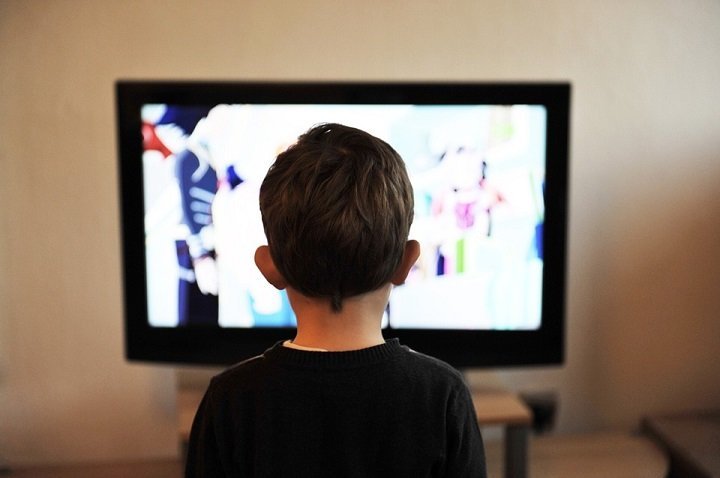
- Television or movies
- Online videos or digital media
Older children
There may be several reasons why older children use rude or inappropriate language:
To get attention: It's an easy, effective way to gain an adult's attention. Children know that adults respond immediately to profanity. Negative attention can also reinforce the behavior.
To get what they want: Depending upon the consequences the child faces for using foul language, they might use it to their advantage.
For example, a child who does not want to play with a visiting friend may deliberately use rude language, knowing they will be sent to their room. Although parents believe they are correcting the behaviour, the child has actually achieved the desired outcome.
To express anger or frustration: Some children have not yet learnt the vocabulary to express difficult emotions. Instead of saying, "I'm disappointed" or "I'm upset," they may use foul words.
To copy others: Children are easily influenced by friends, older siblings, social media, videos, gaming communities, and popular culture. Sometimes they use inappropriate language just to fit in or appear older.
How parents can respond
Respond calmly
If your young child calls their friend 'an idiot', they may be repeating what they have heard. Although you may react immediately and try to correct them, your dramatic response may unintentionally make the word more interesting.
Instead, remain calm and say in a neutral tone, "These are not kind words to use with our friends." Your calm response becomes a teaching moment for your child.
Teach better words
If your child uses rude language because they are angry, help them find better ways to express themselves.
Instead of forcing an apology immediately, ask questions such as:
"How would you feel if someone called you an idiot?"
"Can you think of another way to tell Smriti that you're upset?"
"What could you say instead when you're angry?"
Helping children practise respectful alternatives builds emotional vocabulary and communication skills.
Don't force an apology
Many young children are still developing empathy. Asking them to say sorry before they understand why someone is hurt often becomes a meaningless exercise.
Instead, help your child understand the impact of their words and guide them towards repairing the situation:
"Can you think of a nicer way to explain why you are angry?" Or, "When you called Smriti an idiot, it made her feel unhappy. I understand you are angry with her. Can you think of other words to use when you are angry?"
Again, help them come up with appropriate words and phrases.
Other ideas you can use
Every household has different rules for foul language. Though the word 'idiot' may be acceptable in your family, it might not be in another. Whatever the differences, when a child uses foul language, it is always a matter of concern for parents.
Be a good role model
Your child is highly likely to imitate and repeat what parents, grandparents, domestic help, neighbors, and friends say. While most people take care to use appropriate language around children, they sometimes use inappropriate language when angry.
If that happens to you, acknowledge it. For example, "I shouldn't have used those words. I was upset, but I could have chosen kinder words."
Children learn from watching adults correct themselves as well as from being corrected. Consistency is equally important. Everyone in the household should follow the same expectations about respectful language.
Consider the situation
Before reacting, think about why your child may have used those words. Were they:
- Frustrated
- Trying to get attention
- Copying someone
- Trying to avoid doing something
- Trying to hurt another person
Understanding the reason helps you choose the most effective response.
Consider your child's age
Always keep your child's developmental stage in mind.
A young child who repeats a word without understanding it needs a simple explanation.
An older child who deliberately insults someone needs guidance about respect, empathy, and consequences.
Encourage respectful language
Notice and praise your child when they express difficult emotions appropriately. For example, "I like how you told your brother you were upset instead of shouting." Positive reinforcement is far more effective than focusing only on mistakes.
Use a family 'swear jar' thoughtfully
Some families introduce a 'swear jar', where anyone using foul language is obliged to contribute a small amount of money or give up a small privilege for a short time.
If you plan to use this idea, make sure it applies to everyone in the family, adults included. The goal must be to encourage respectful communication, not to shame anyone for making a mistake.
Why punishment is not a solution
It is tempting to punish children for using rude language. However, punishment on its own has several limitations:
- It does not teach children what they should say instead.
- It could damage the parent-child relationship if used harshly or frequently.
- Children can feel emotionally overwhelmed by criticism.
Instead, focus on teaching, modelling, and reinforcing respectful communication.
Create a simple behaviour plan
If your child uses inappropriate language frequently, simple reminders may no longer be enough.
Ask yourself:
- Is my child trying to get attention?
- Is my child trying to avoid doing something?
- Is my child trying to get something they want?
Once you understand the reason, you can help them overcome the habit without hurting them or focusing on their mistakes.
Set realistic goals and track your child's progress using a simple reward chart or token system. Remember to celebrate small improvements.
When should parents seek professional help?
Consider seeking advice from a child behaviour specialist if your child:
- Uses abusive language frequently despite consistent guidance.
- Becomes verbally aggressive or threatening.
- Shows other concerning behaviours such as bullying or physical aggression.
- Begins using extreme language after a stressful or traumatic event.
- Has behaviour that begins to affect family life, school, or friendships.
A gentle reminder for parents
Children learn respectful language gradually. Most go through a phase of experimenting with words that surprise or shock adults.
Your calm responses, consistent expectations, and positive example will have a far greater influence than punishment alone.
With patience, guidance, and encouragement, children are more likely to learn healthier and respectful ways to express themselves.
Parent checklist
- Stay calm when your child uses a bad word.
- Find out why they used it before reacting.
- Teach better words to express anger or frustration.
- Model respectful language at home.
- Praise appropriate communication.
- Be consistent with family rules.
- Seek professional help if the behaviour becomes persistent, aggressive, or affects daily life.
Trusted sources:
- American Academy of Pediatrics (HealthyChildren.org)
- Child Mind Institute
- Center on the Developing Child at Harvard University
- Indian Academy of Pediatrics
Dr. Geetika Agarwal is a child psychologist and Board Certified Behavior Analyst–Doctoral (BCBA-D) with expertise in child behavior and developmental disabilities. She helps parents understand children's behavior through practical, evidence-based guidance.
This article was featured in the July 26, 2026, edition of The Free Press Journal
Last updated on: July 03, 2026
Discover the comprehensive Dot language and communication program for kindergarten that cultivates essential listening and communication skills through fun activities.

























Comments
Edit
Comment Flag
Cancel Update